Ultimate Osaka 1-Day Itinerary: What to See and Do
This site contains affiliate links. I may earn a small commission, at no extra cost to you.
With just one full day in Osaka, I like to focus on the city’s historic sights, lively food districts, and central neighborhoods instead of trying to see everything at once. I’ve found that a well-planned route makes it possible to experience several of Osaka’s highlights without spending most of the day on trains.
For this itinerary, I recommend combining Osaka Castle, Kuromon Market, Shinsekai, and Dotonbori. This route gives me a good mix of history, local food, traditional atmosphere, shopping, and Osaka’s energetic nightlife.
I’ll show you how I would organize the day, where I would spend more time, and how I would use public transportation to keep the route practical. I’ll also leave room for some of Osaka’s must-try dishes, including takoyaki and okonomiyaki, because I wouldn’t want to visit Osaka without trying them.
Planning My One-Day Osaka Itinerary
When I plan a short visit to Osaka, I focus on three things: starting early, reducing unnecessary backtracking, and timing my meals around the areas I’m already visiting.
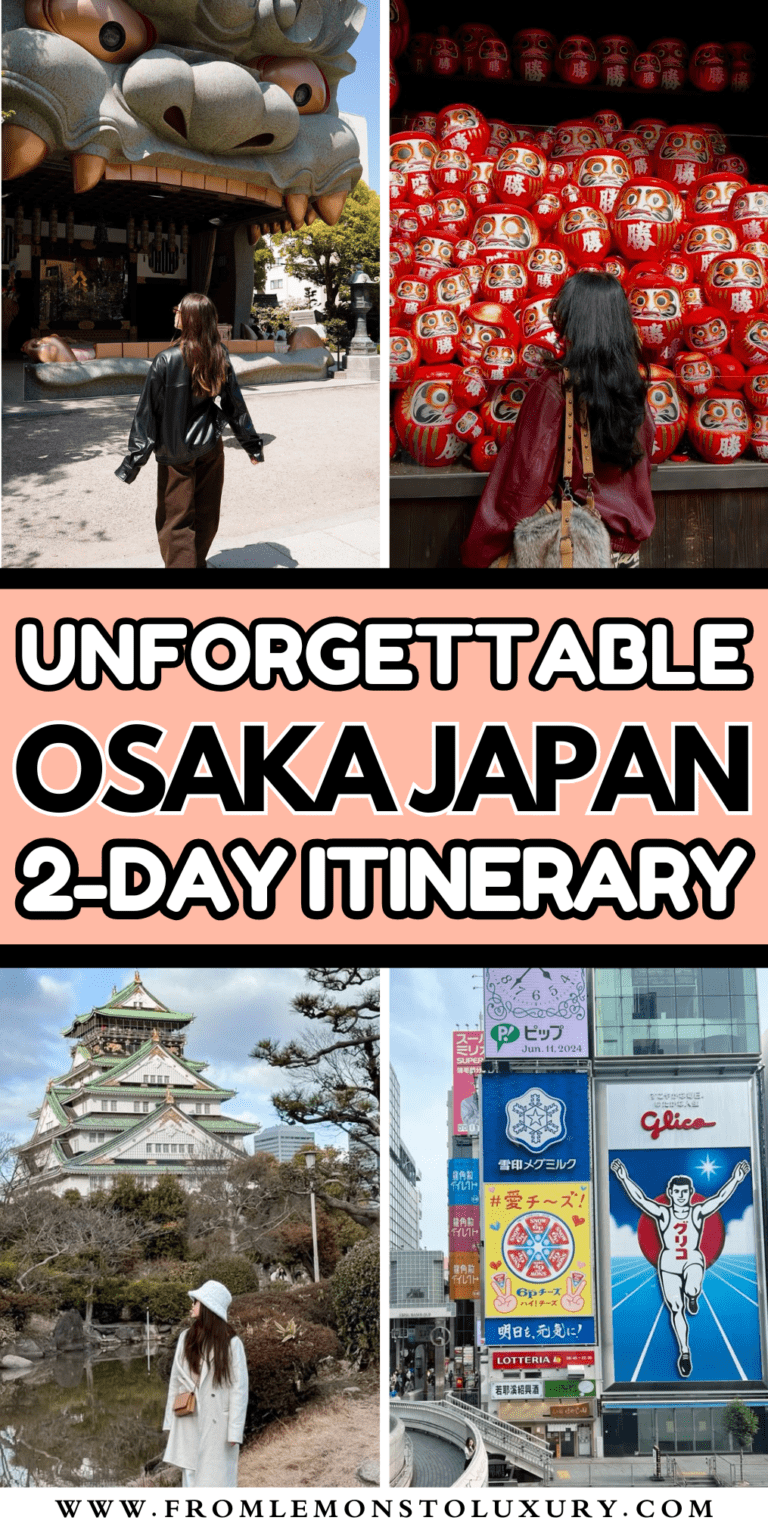
Since I only have one day, I don’t try to squeeze in every major attraction. Instead, I choose places that give me a good introduction to the city. Osaka Castle gives me a look at the city’s history, while Kuromon Market introduces me to its food culture. Shinsekai offers a more nostalgic side of Osaka, and Dotonbori is where I like to finish the day surrounded by bright signs, restaurants, and nightlife.
I also rely on Osaka’s train and subway network rather than taxis whenever possible. Public transportation makes it much easier to move between the main areas while keeping my travel time under control.
My Suggested Route
Osaka Castle → Kuromon Market → Shinsekai → Dotonbori
I recommend starting with Osaka Castle because I want to see the major historic attraction while I still have plenty of energy. From there, I can gradually make my way toward the southern and central parts of Osaka, ending around Namba and Dotonbori.
Morning: Start at Osaka Castle
I would begin my day at Osaka Castle, one of the city’s most recognizable landmarks. I prefer arriving in the morning because the grounds are more enjoyable before the day’s busiest part. A large park surrounds the castle itself, so I give myself time to walk around rather than rushing straight to the entrance. The contrast between the historic castle architecture and the modern Osaka skyline makes this one of my favorite stops for getting a sense of the city.
If I have enough time, I visit the castle museum and observation area. However, if I’m traveling during a particularly busy period, I’m careful not to spend too much of my limited day waiting in lines. I would wear comfortable shoes because the castle grounds involve quite a bit of walking. I’d also check opening hours and ticket information before leaving my hotel, especially if visiting on a weekend or holiday.
Late Morning: Explore Kuromon Market
After Osaka Castle, I would head toward Kuromon Market. This is where I start shifting my attention from sightseeing to food. Kuromon Market is a great place to sample different foods without committing to a long restaurant meal. I like walking through the market first and seeing what catches my attention before deciding what to eat.
Depending on what’s available, I might try grilled seafood, fresh fruit, sushi, or other Japanese snacks. I also keep some space for later because Osaka has plenty more food waiting for me throughout the day. Rather than treating Kuromon Market as a quick photo stop, I’d give myself enough time to walk through several sections and enjoy the atmosphere.
The biggest advantage for a one-day itinerary is the flexibility. I can try several small dishes instead of spending an hour or more at a single restaurant. I also recommend carrying some cash because individual market vendors may have different payment options.
Afternoon: Discover Shinsekai
From Kuromon Market, I would continue toward Shinsekai, one of Osaka’s more distinctive neighborhoods. The atmosphere here feels different from the polished shopping areas of central Osaka. I enjoy walking through the streets, looking at the colorful signs, and taking in the neighborhood’s nostalgic character.
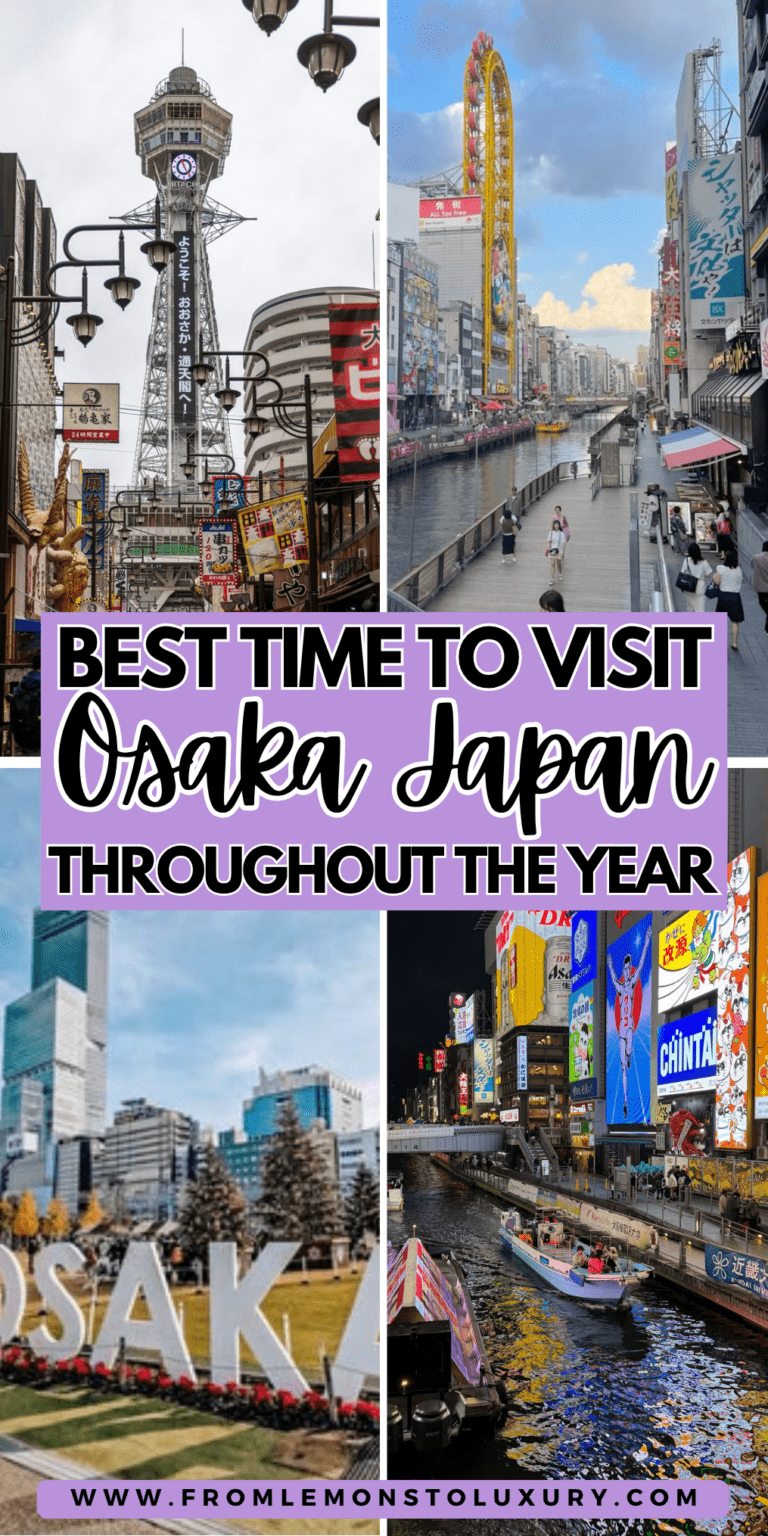
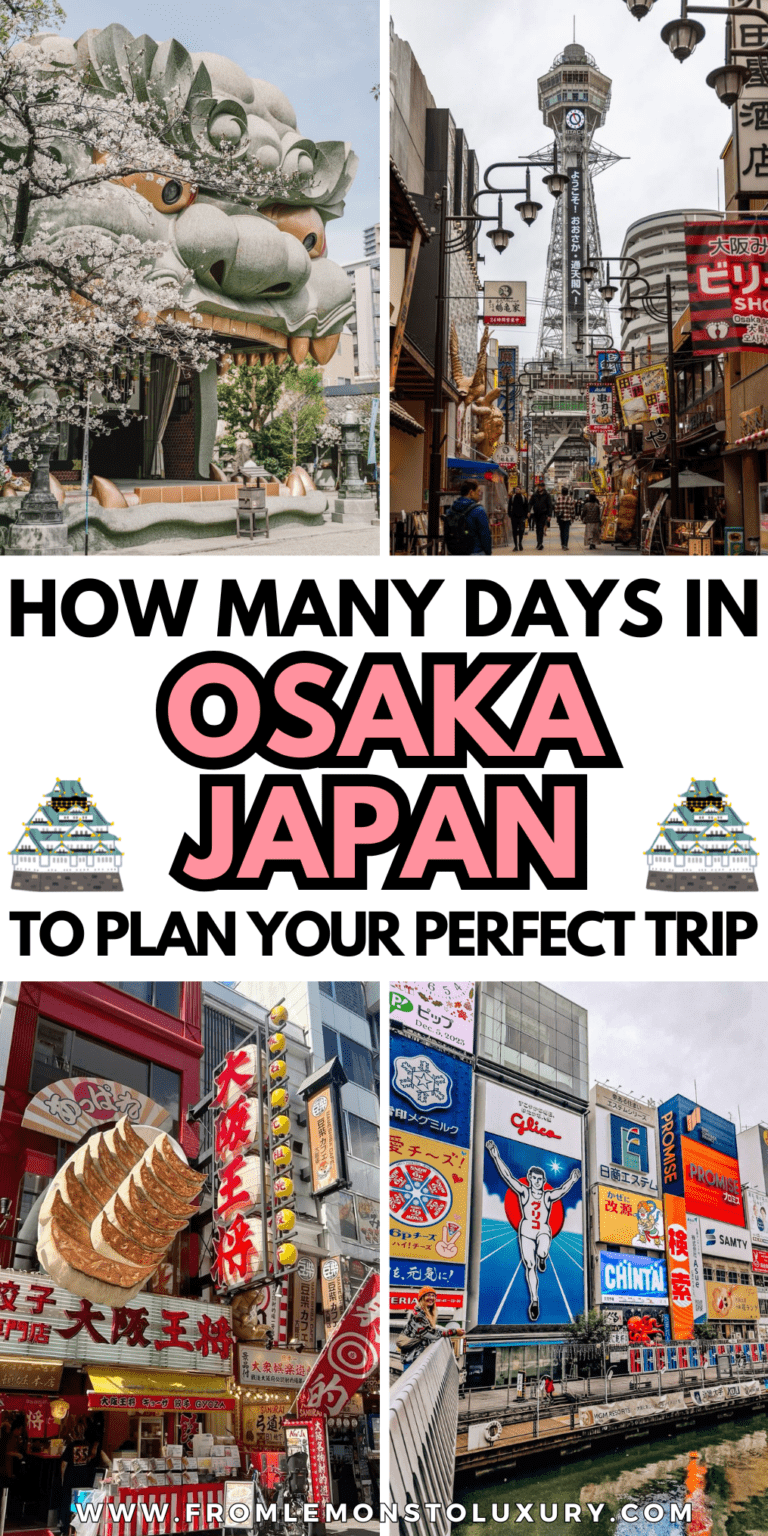
One of the most recognizable landmarks is Tsutenkaku Tower, which has become closely associated with Shinsekai. I can also explore the nearby streets and stop for a casual meal or snack. If I’m looking for a classic Shinsekai experience, I would consider trying kushikatsu, a local specialty consisting of skewered ingredients that are breaded and fried.
If you’re interested in city views, you might visit the tower. But with only one day, I wouldn’t consider it essential if the line is long. For me, walking around Shinsekai is already worthwhile because the neighborhood itself is part of the experience.
Late Afternoon: Head to Dotonbori and Namba
After exploring Shinsekai, I would make my way toward Namba and Dotonbori. This is the part of Osaka I would save for later in the day because the area becomes especially lively as afternoon turns into evening. My first stop would be the famous Dotonbori Canal, where I can see the colorful signs and the iconic Glico Running Man sign.
I like simply walking around this area rather than planning every minute. There are countless restaurants, shops, arcades, and side streets to explore, so I can easily spend a few hours here. This is also where you could plan your dinner.
I wouldn’t leave Osaka without trying at least two of its most famous dishes: takoyaki and okonomiyaki. Takoyaki is a popular Osaka street food made from a savory batter with pieces of octopus inside. I usually think of it as the perfect snack while walking around Dotonbori.
For dinner, you can look for okonomiyaki. This savory Japanese pancake can include ingredients such as cabbage, meat, seafood, and various toppings. Since Osaka is strongly associated with this dish, it feels like a natural choice for the final meal of the day.
I’d also avoid choosing a restaurant solely because it has the biggest sign. Dotonbori is busy and touristy, so I like checking recent reviews, looking at menus, and comparing a few options before sitting down.
Evening: Enjoy Dotonbori After Dark
After dinner, I would take my time exploring Dotonbori at night. This is when the neighborhood really comes alive. The illuminated signs reflecting on the canal create one of the most recognizable Osaka scenes, and I enjoy walking along the water before exploring some of the surrounding streets.
If you still have energy, you might browse shops in Namba, visit an arcade, or stop somewhere for a dessert or late-night snack. You don’t need to schedule another major attraction at this point. After a full day of walking, you can leave the evening flexible.
My Osaka 1-Day Schedule at a Glance
| Activity | Area |
|---|---|
| Osaka Castle | Osaka Castle |
| Food and market walk | Kuromon Market |
| Explore neighborhood and Tsutenkaku | Shinsekai |
| Dotonbori, shopping, and dinner | Namba/Dotonbori |
| Evening walk and nightlife | Dotonbori |
The exact flow can change depending on opening hours, crowds, weather, and how long you spend at each attraction. I treat this schedule as a framework rather than a strict timetable.
How I Would Get Around Osaka
For a one-day trip, I would use Osaka’s extensive train and subway network. It is generally much more practical than relying on taxis for every journey.
I’d check each route before leaving an attraction so I know which station I’m heading toward. I also keep some extra time between stops because navigating a large station can take longer than expected, especially during my first visit.
A rechargeable IC transportation card can make getting around more convenient because I don’t have to purchase an individual ticket for every journey.
Most importantly, I would avoid adding attractions simply because they look close together on a map. Osaka’s neighborhoods and stations can be larger and busier than they initially appear.
Is One Day in Osaka Enough?
One day isn’t enough to experience everything Osaka has to offer, but I think it’s enough to get a memorable introduction to the city.
By following this route, you can experience historic Osaka at the castle, sample local food at Kuromon Market, explore the nostalgic streets of Shinsekai, and finish among the bright lights of Dotonbori.
If you had more time, you could stay longer and explore neighborhoods beyond this central route. But if you only have one full day, it’s best to experience a few key areas properly rather than rush through a long list of attractions.
Hotel Recommendations for My Osaka Trip
For a one-day Osaka itinerary, I choose my hotel mainly based on location and transportation convenience. Since I’m visiting Osaka Castle, Kuromon Market, Shinsekai, and Dotonbori in a single day, staying in Namba makes the most sense. It keeps me close to food spots, shopping streets, and major train connections, which helps me save time and energy.
Below are a few hotels I would consider depending on my budget and travel style.
Hotel Comparison Table
| Hotel | Best For | Location Area | Pros | Cons |
|---|---|---|---|---|
| Hiyori Hotel Osaka Namba Station | Convenience & easy transport | Namba | Close to station, easy access to all attractions | Slightly less “lively” than Dotonbori |
| Vessel Inn Namba | Nightlife & food | Dotonbori | Walkable to restaurants, great evening access | Can be a busy/noisy area |
| DoubleTree by Hilton Osaka Castle | Osaka Castle focus | Osaka Castle area | Quiet, scenic, great for morning start | Far from Namba & food districts |
| Hotel Hankyu Respire Osaka | Day trips & transport hub | Umeda | Excellent rail connections, modern hotel | Not in main tourist/food area |
Osaka Travel Essentials: My Pre-Trip Checklist
Before I leave for Osaka, I like to have the practical details sorted out so I can spend my one day exploring instead of worrying about logistics. Since my itinerary involves several neighborhoods and plenty of walking, I make sure I have my accommodation, transportation, connectivity, and basic travel essentials ready before I arrive.
- Book hotel: Choose accommodation with easy access to a train or subway station, especially around Namba, Umeda, or another convenient central area.
- Arrange transportation: Check my airport-to-city route and plan how to travel between Osaka Castle, Kuromon Market, Shinsekai, and Dotonbori. Also consider using an IC transportation card for convenient train and subway travel.
- Prepare mobile data: Arrange an eSIM, physical SIM card, or pocket Wi-Fi before or soon after arriving in Japan. Having reliable internet makes navigation, translation, restaurant searches, and train directions much easier.
- Check flight details: Save flight information and confirm arrival at the airport.
- Pack comfortable shoes: Expect to walk quite a lot during this itinerary, so comfortable shoes are one of the first things I pack.
- Bring a portable charger: Use your phone throughout the day for maps, transportation information, photos, translations, and reservations, so make sure to have enough battery.
- Carry some Japanese yen: Although many places accept cards, have some cash available for smaller food stalls, markets, or businesses that may not accept international cards.
- Keep travel documents accessible: Keep my passport, hotel confirmation, transportation information, and important reservations somewhere easy to access.
- Consider travel insurance: Prefer having travel insurance in place before an international trip in case unexpected cancellations, delays, lost belongings, or other travel problems occur.
- Check attraction hours: Before leaving the hotel, confirm the opening hours and any ticket requirements for places you plan to visit, particularly Osaka Castle and other timed attractions.
Final Thoughts
When I plan a one-day Osaka trip, I focus on creating a route that feels enjoyable rather than trying to collect as many attractions as possible. Osaka Castle, Kuromon Market, Shinsekai, and Dotonbori give me a balanced introduction to the city, from its history and traditional neighborhoods to its famous food and energetic nightlife.
The key is to start early, use public transportation, wear comfortable shoes, and leave enough time to enjoy the food along the way. Even with only one day, I can experience several of the things that make Osaka such a memorable destination without making the itinerary feel impossibly rushed.
Practical Tips for Spending One Day in Osaka
I recommend beginning the day early, especially if Osaka Castle is one of the places I want to visit. Starting early gives me more flexibility later.
This itinerary involves walking through parks, markets, neighborhoods, and shopping districts. Comfortable shoes make a noticeable difference by the evening.
I don’t try to follow the plan minute by minute. If I find a great food stall at Kuromon Market or enjoy Shinsekai more than expected, I’m happy to spend a little longer there.
Dotonbori is enjoyable during the day, but I prefer seeing it after dark when the neon signs are illuminated, and the streets become more energetic.
Food is part of the Osaka experience, so I wouldn’t fill every hour with sightseeing. Leaving room for takoyaki, okonomiyaki, kushikatsu, and market snacks makes the day much more enjoyable.