Osaka Itinerary: My Practical Guide for First-Time Visitors
This site contains affiliate links. I may earn a small commission, at no extra cost to you.
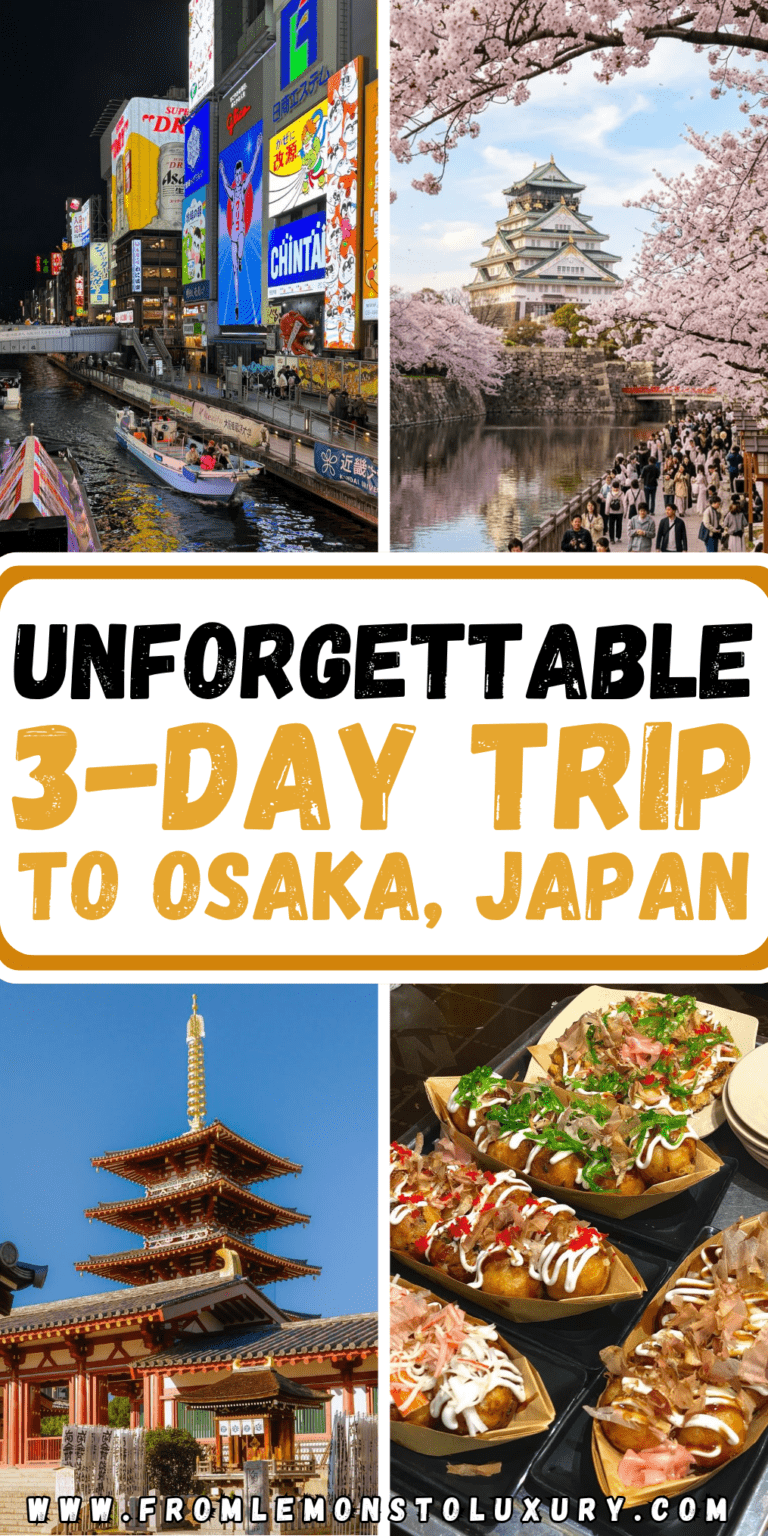
The first time I planned an Osaka itinerary, I made the mistake of trying to fit everything into two days. I quickly realized Osaka isn’t a city you should rush. Between stopping for fresh takoyaki, wandering through colorful shopping streets, and discovering hidden shrines tucked between modern buildings, I found myself happily slowing down.
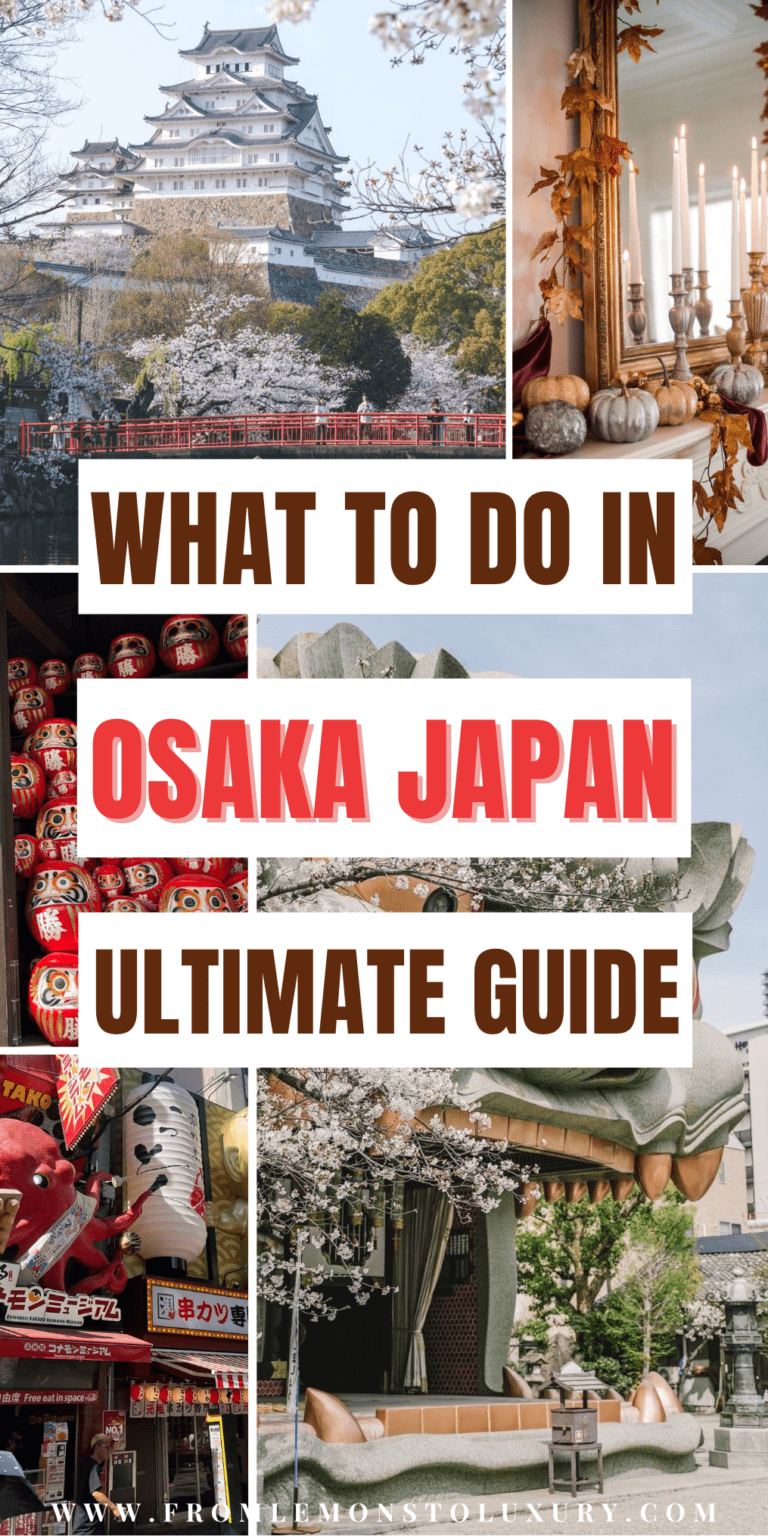
After visiting Osaka multiple times, I’ve learned that the best itinerary isn’t the one with the most attractions—it’s the one that lets you actually enjoy the city. Whether you have one day or five, I’ll show you how I organize my time to experience Osaka’s famous landmarks, incredible food scene, and memorable day trips without feeling exhausted.
Here’s how I recommend spending your time in one of Japan’s most exciting cities.
How I Plan My Osaka Itinerary
I like to group attractions by neighborhood instead of traveling back and forth across the city. Osaka’s public transportation is excellent, but staying within one area each day saves both time and energy.
I also avoid packing my schedule too tightly. Some of my favorite memories come from stumbling upon tiny ramen shops, watching street performers, or browsing stores I never planned to visit. Leaving room for spontaneity makes every trip more enjoyable.
If you’re visiting during spring or autumn, expect larger crowds at major attractions like Osaka Castle and Dotonbori. I usually start sightseeing early in the morning and save the lively entertainment districts for the evening.
My 1-Day Osaka Itinerary
If I only have one day, I focus on Osaka’s most iconic experiences.
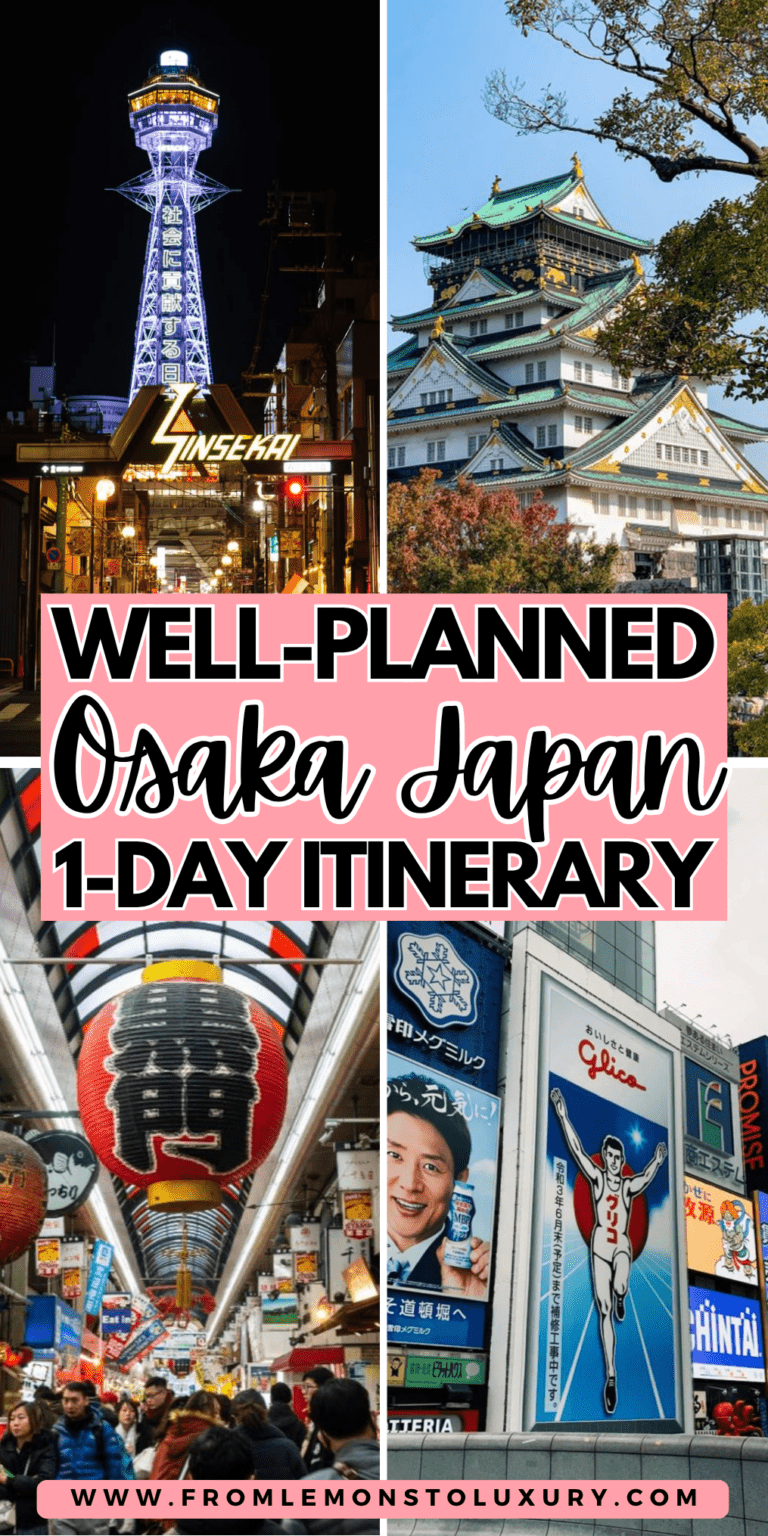
I begin my morning at Osaka Castle, arriving shortly after opening time to enjoy the peaceful castle grounds before tour groups arrive. I usually spend around two hours exploring the museum inside the castle and walking through the surrounding park, where the impressive stone walls and seasonal flowers create beautiful scenery.
By lunchtime, I head to Kuromon Market, one of my favorite places to sample Osaka’s food culture. Instead of sitting down for one large meal, I snack my way through the market with grilled seafood, wagyu skewers, fresh fruit, and local specialties.
During the afternoon, I stroll through Shinsaibashi Shopping Arcade, which connects naturally to Amerika-mura. Even if I’m not shopping, I enjoy people-watching, browsing local boutiques, and grabbing a coffee at one of the trendy cafés.
As evening arrives, I make my way to Dotonbori. The glowing neon signs, energetic crowds, and endless food options perfectly capture Osaka’s lively atmosphere. I always finish my day with takoyaki or okonomiyaki while watching the canal come alive after sunset.
My 2-Day Osaka Itinerary
With an extra day, I explore some of Osaka’s historic and local neighborhoods.
I start the morning at Shitenno-ji Temple, Japan’s oldest officially established Buddhist temple. Arriving early gives me a peaceful experience before larger crowds appear, and I enjoy walking through the quiet temple grounds.
From there, I continue to Shinsekai, a nostalgic district that feels completely different from modern Osaka. I often stop here for lunch and order kushikatsu, Osaka’s famous deep-fried skewers. One local rule worth remembering is to never double-dip your skewer into the shared sauce container.
In the afternoon, I ride up Tsutenkaku Tower or simply wander the surrounding streets before heading toward Namba for dinner. If I still have energy, I revisit Dotonbori because the atmosphere changes every night.
My 3-Day Osaka Itinerary
Three days gives me enough time to slow down and enjoy both modern and waterfront Osaka.
I usually spend the morning around Tempozan Harbor Village, home to one of Japan’s largest aquariums, waterfront promenades, and relaxing harbor views. Even if you skip the aquarium, the bay area offers a refreshing change from the busy downtown districts.
Later, I visit Umeda, where I explore department stores, underground shopping malls, and the famous depachika food halls. These basement food markets are excellent places to buy beautifully prepared bento boxes, desserts, and regional specialties.
If time allows, I end the evening by enjoying Osaka’s skyline from one of Umeda’s observation decks before having dinner nearby.
My 4-Day Osaka Itinerary
Whenever I have four days, I dedicate one full day to Nara.
The train ride takes less than an hour, making it one of the easiest day trips from Osaka. I spend my time visiting Todai-ji Temple, feeding the friendly deer in Nara Park, and exploring the traditional streets around the city center.
Returning to Osaka in the evening still leaves plenty of time for dinner in Namba or Umeda.
My 5-Day Osaka Itinerary
With five days, I choose another destination that complements Osaka’s vibrant city life.
One of my favorite options is Himeji, where I visit Japan’s spectacular white castle and its beautifully maintained gardens. The castle is one of the country’s finest surviving original castles and easily deserves several hours.
If I want something more relaxing, I head to Minoo Park, where an easy forest walk leads to a picturesque waterfall. During autumn, the colorful foliage makes this one of the most rewarding nature escapes near Osaka.
Another excellent alternative is Wakayama, which offers coastal scenery, beaches, and a slower pace compared to Osaka.
My Favorite Food Stops in Osaka
One reason I keep returning to Osaka is the food. Every neighborhood offers something worth trying.
Some of my personal favorites include:
- Takoyaki from busy street vendors in Dotonbori
- Okonomiyaki cooked fresh at local restaurants
- Kushikatsu in Shinsekai
- Fresh seafood at Kuromon Market
- Bento and premium desserts from Umeda’s department store food halls
I usually visit Kuromon Market around lunchtime when most vendors are fully open, while Dotonbori feels most exciting after sunset.
Where I Like to Shop
Osaka offers shopping for every type of traveler.
When I want fashion and international brands, I head to Shinsaibashi-suji. If I’m looking for vintage clothing and unique local boutiques, I spend time exploring Amerika-mura.
For anime merchandise, gaming stores, and electronics, I always visit Den Den Town in Nipponbashi. Meanwhile, Umeda is my choice for department stores, travel essentials, and higher-end shopping.
I also carry some cash because smaller restaurants and market stalls don’t always accept credit cards.
Where I Recommend Staying in Osaka
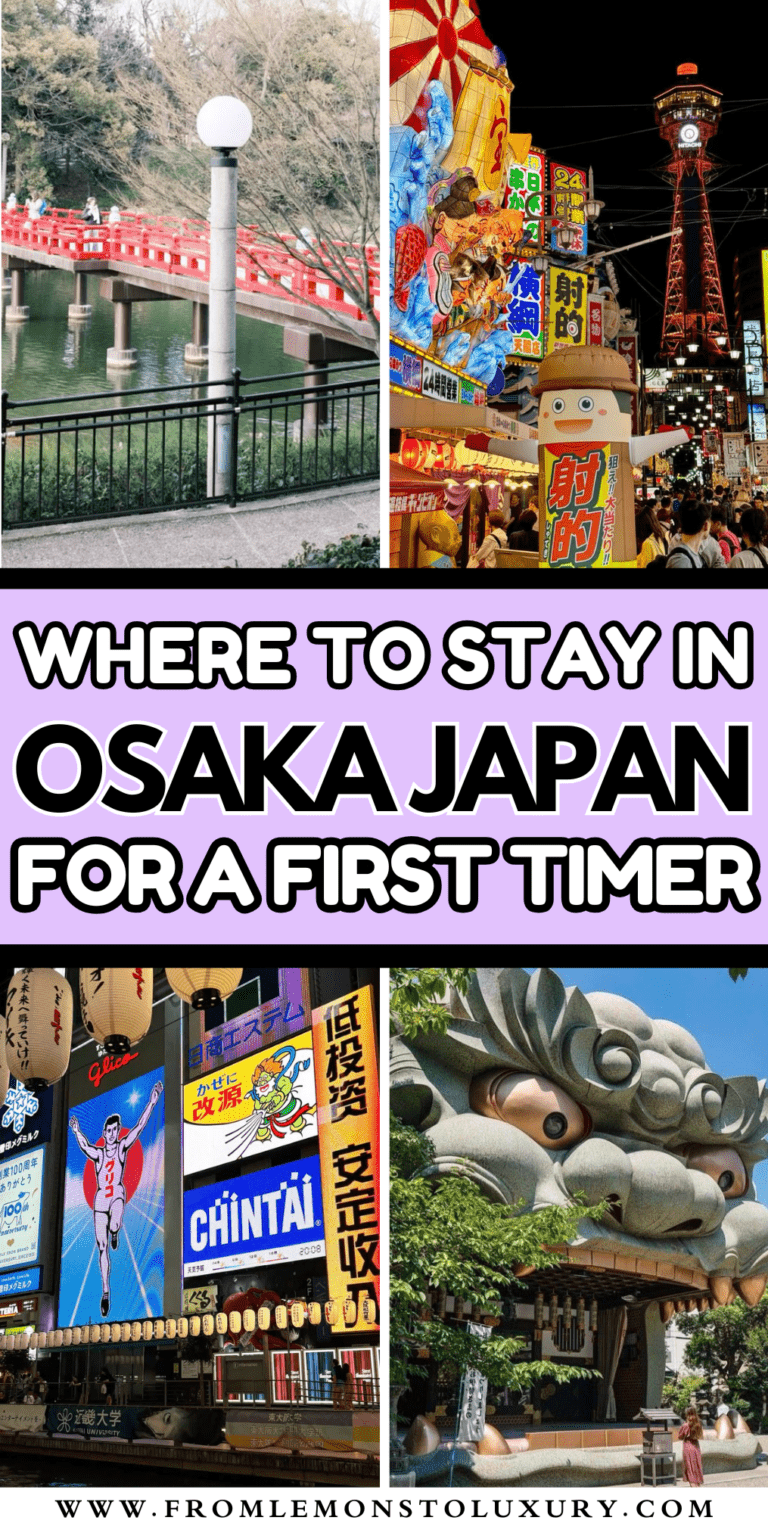
One of the biggest lessons I’ve learned after visiting Osaka several times is that choosing the right neighborhood makes a huge difference. Since the city’s train network is so efficient, almost anywhere is convenient, but staying close to the attractions you plan to visit can save valuable time and energy.
If it’s your first visit, I usually recommend staying in Namba. This area puts me within walking distance of Dotonbori, Kuromon Market, Shinsaibashi, and plenty of restaurants that stay open late into the evening. I love ending the day with a walk along the canal without worrying about catching the last train. Namba is also well connected to Kansai International Airport through the Nankai Railway, making arrival and departure especially convenient.
For travelers who prefer a quieter atmosphere with excellent transportation, I often recommend Umeda. This is Osaka’s main business and shopping district, and it’s one of the easiest places to catch trains for day trips to Kyoto, Kobe, or Himeji. I appreciate how many department stores, restaurants, and observation decks are within walking distance, while the area feels a little more relaxed after the office crowds leave.
If your priority is nightlife and entertainment, staying around Shinsaibashi works well. The neighborhood sits between Namba and Umeda, offering easy access to shopping streets, cafés, bars, and Osaka’s famous food scene. I find it ideal if I want to spend evenings exploring without needing public transportation to get back to my hotel.
Travelers on a tighter budget might enjoy staying near Shin-Osaka Station. Although it doesn’t have the same lively atmosphere as Namba or Umeda, hotel prices are often lower, and it’s incredibly convenient for anyone arriving or departing by Shinkansen.
My Hotel Recommendations
When I want to stay in the heart of the action, I usually look at Hotel Gracery Osaka Namba. The rooms are modern, the location is excellent for exploring Dotonbori and Namba, and it’s easy to reach from the airport. It offers a comfortable balance between convenience and value, making it one of my favorite choices for first-time visitors.
Another hotel I’ve found to be consistently reliable is Cross Hotel Osaka. Located just steps from Dotonbori, it allows me to explore Osaka’s nightlife while still enjoying a quiet and comfortable room. The spacious accommodations and central location make it especially appealing for couples and travelers who want to walk to many of the city’s highlights.
Whenever I stay in Umeda, I often recommend Hotel Hankyu RESPIRE Osaka. Connected to the shopping and transportation hub around Osaka Station, it’s one of the easiest places to base yourself for both city sightseeing and day trips throughout the Kansai region. I also appreciate the clean, contemporary rooms and the nearby dining options.
For travelers watching their budget, APA Hotel Namba Shinsaibashi is often a practical choice. The rooms are compact—as is common in Japan—but they’re clean, efficient, and located close to restaurants, shopping, and multiple train stations. It’s a good option if you plan to spend most of your time exploring rather than relaxing in your room.
No matter where I stay, I always try to book several months in advance, especially during cherry blossom season in late March and early April or during the vibrant autumn foliage months. Hotels in Osaka can fill up quickly during these popular travel periods, and booking early usually means better prices and a wider selection of rooms.
Tips That Make My Osaka Trip Easier
After several visits, I’ve picked up a few habits that make every trip smoother. Start major sightseeing early to avoid the biggest crowds. Group attractions by neighborhood to minimize train transfers. Leave room in your schedule for unexpected discoveries. Use an IC card for convenient transportation. Check the last train when taking day trips outside Osaka. Wear comfortable shoes since you’ll likely walk far more than expected.
Final Thoughts
Every time I visit Osaka, I discover something new. Some trips revolve around incredible street food, while others focus on historic landmarks or easy day trips beyond the city. That’s what makes Osaka such a rewarding destination—it offers enough variety that every itinerary feels a little different.
Whether you’re visiting for one day or spending nearly a week exploring Kansai, I recommend keeping your schedule flexible. You’ll have a better experience when you allow time to wander, try local specialties, and enjoy the city’s welcoming energy at your own pace. By balancing famous attractions with neighborhood exploration, you’ll leave Osaka with memorable experiences rather than simply checking places off a list.
Osaka Vacation Checklist
- ESSENTIAL GUIDE – Read this Osaka Itinerary for First-Time Visitors to plan your trip, discover the top attractions, and organize your days efficiently.
- HOTEL BOOKING – Reserve your accommodation early, especially during cherry blossom and autumn seasons. Popular areas to stay include Namba, Umeda, and Shinsaibashi.
- WHERE TO STAY – Choose Namba for nightlife and food, Umeda for transportation and shopping, or Shin-Osaka if you’re traveling by Shinkansen.
- TRANSPORT PASSES – Get an ICOCA IC Card for convenient travel on trains and buses. If you’re visiting multiple cities like Kyoto, Nara, or Himeji, check whether a JR Pass or regional Kansai Pass will save you money.
- PACKING ESSENTIALS – Bring comfortable walking shoes, a portable charger, reusable water bottle, lightweight umbrella, universal travel adapter, and some cash for local markets and smaller restaurants.
- MUST-TRY FOODS – Add takoyaki, okonomiyaki, kushikatsu, fresh seafood from Kuromon Market, and Osaka-style ramen to your food list.
- POPULAR ATTRACTIONS – Don’t miss Osaka Castle, Dotonbori, Shitenno-ji Temple, Shinsaibashi Shopping Arcade, Shinsekai, and Tempozan Harbor Village.
Essentials for This Trip
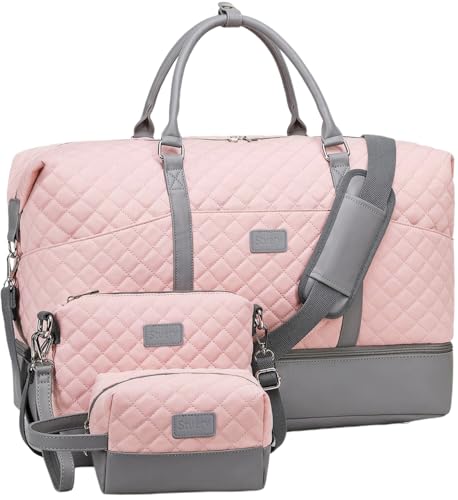
When I pack for Osaka, I keep things simple but practical. I always bring comfortable walking shoes because it’s easy to cover 15,000 to 20,000 steps in a day, along with a reusable water bottle, a portable power bank for navigating with maps, and a lightweight umbrella since the weather can change unexpectedly. Having an IC transit card or a mobile payment app makes getting around much easier, while carrying a small amount of cash is helpful for street food vendors, local markets, and smaller shops that may not accept credit cards. I also leave extra space in my luggage because I inevitably come home with Japanese snacks, souvenirs, and a few shopping finds from Osaka’s bustling shopping districts.