Things To Do In Osaka, Japan: Top Attractions And Experiences
This site contains affiliate links. I may earn a small commission, at no extra cost to you.
When I first started planning my Osaka trip, I quickly realized that the city offered much more than just great food. Osaka brings together historic landmarks, energetic shopping streets, colorful nightlife, and modern attractions, making it easy to fill several days without running out of things to see.
What I enjoyed most was how different each neighborhood felt. I could spend the morning exploring a historic castle, wander through a market in the afternoon, and end the day surrounded by glowing signs and busy streets in Dotonbori. If you’re planning a trip to Osaka, here are some experiences I’d prioritize.
Explore Osaka Castle
Osaka Castle was one of the first places I wanted to visit, and it was an easy introduction to the city’s history. The striking castle tower stands within a large park, so the visit feels like more than simply stopping at a landmark. I recommend giving yourself enough time to walk around Osaka Castle Park rather than visiting only the tower. The surrounding grounds provide a nice break from Osaka’s busy streets, and the scenery changes beautifully with the seasons.
Inside the castle, I found exhibits about Osaka’s history and the castle’s role in Toyotomi Hideyoshi’s story. The observation area also gives you a different perspective of the modern city surrounding the historic site.
Visit earlier in the day if you want a more relaxed experience, especially during busy travel seasons.
Experience the Energy of Dotonbori
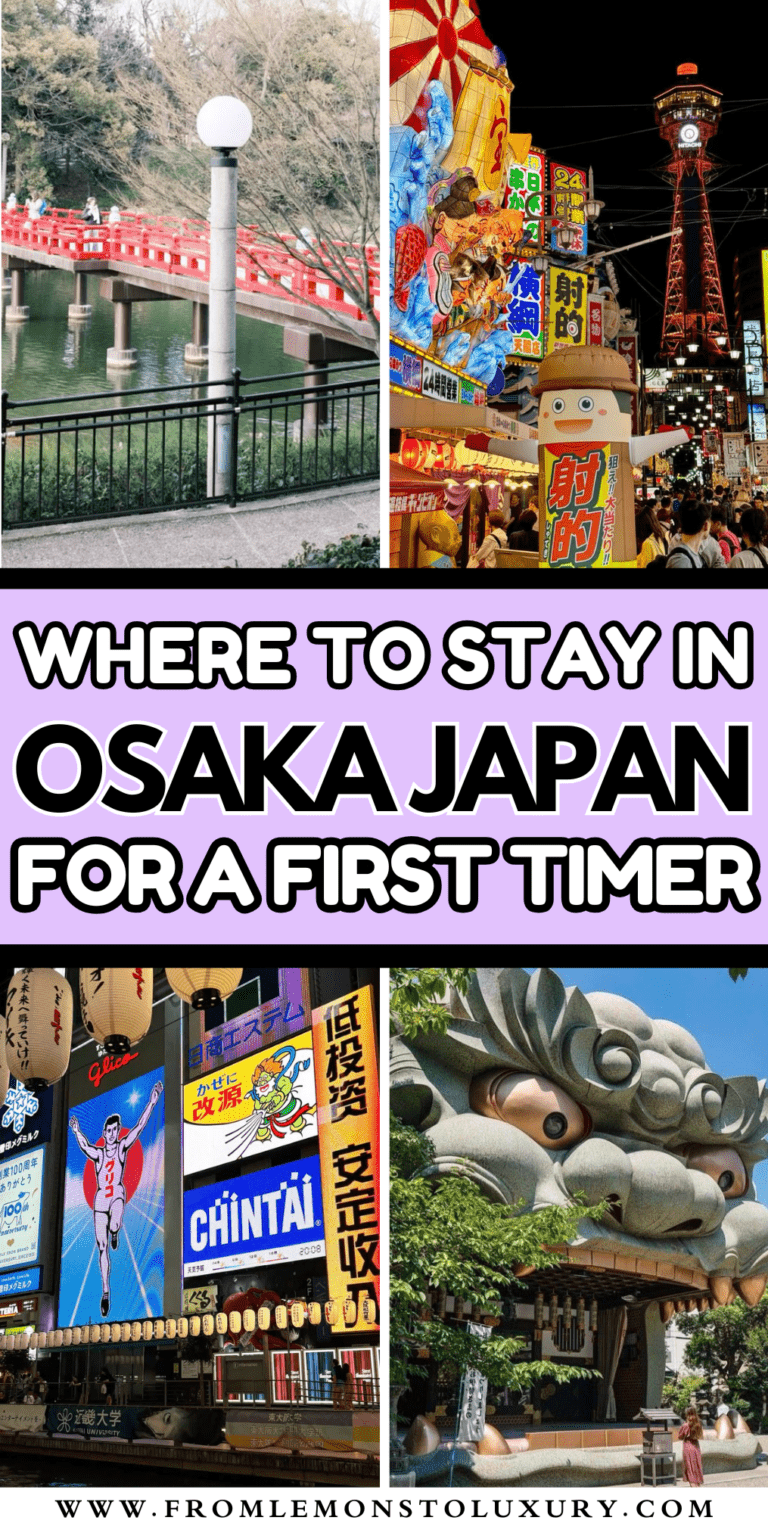
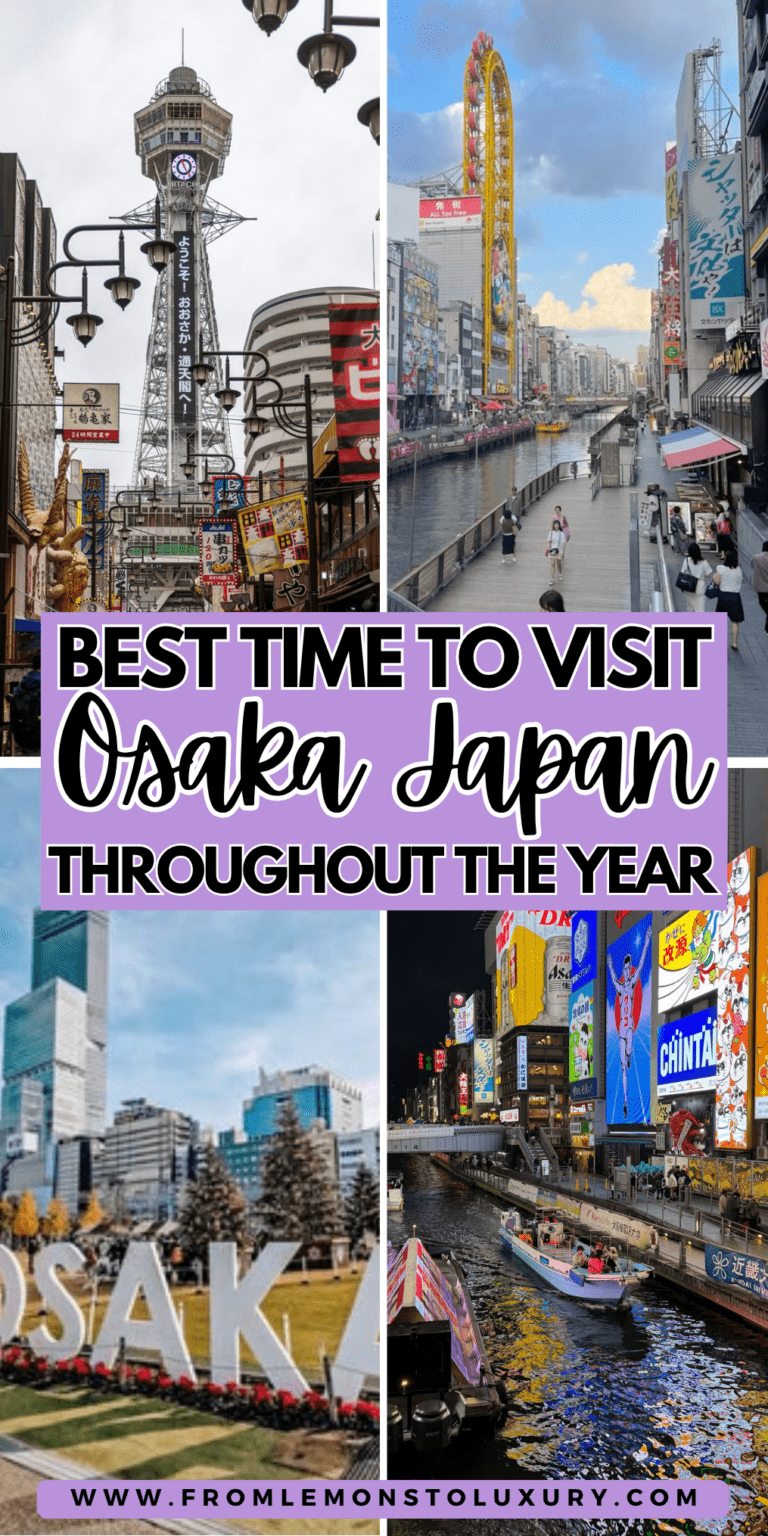
If there’s one neighborhood that immediately made me feel like I was in Osaka, it was Dotonbori. The bright signs, crowded streets, restaurants, canal, and constant movement create an atmosphere that is difficult to replicate anywhere else. I liked visiting both during the day and after dark. During the evening, the neon signs reflected across the canal and made the area feel especially lively.
This is also a great place to try Osaka specialties. I looked for takoyaki and okonomiyaki, two dishes that are strongly associated with Osaka’s food culture.
Rather than rushing through Dotonbori, I recommend allowing a few hours to walk around, eat, browse the shops, and enjoy the atmosphere.
Try Local Food at Kuromon Market
For me, Kuromon Market was one of the best places to experience Osaka through food. The market stretches through a covered shopping arcade filled with stalls and small food businesses. I enjoyed walking slowly through the market instead of deciding what to eat before arriving. There were plenty of opportunities to try seafood, grilled foods, fruit, snacks, and other Japanese specialties.
Because many visitors come specifically to eat, prices and portions can vary from stall to stall. I found it helpful to compare a few options before buying and to avoid filling up at the first stop.
Go earlier in the day for a better selection and a more comfortable walk through the market.
Wander Through Shinsekai
Shinsekai gave me a completely different impression of Osaka. The neighborhood has a nostalgic atmosphere, colorful signs, small restaurants, and the recognizable Tsutenkaku Tower. I especially enjoyed wandering without following a strict route. The streets around Janjan Yokocho are worth exploring, and this is another good area to sample local dishes.
Shinsekai is also known for kushikatsu, a style of deep-fried skewered food. Trying it in the neighborhood where it became famous made the experience feel more connected to Osaka’s local culture.
Visit Universal Studios Japan
For travelers who enjoy theme parks, Universal Studios Japan is an experience I would consider adding to the itinerary. I found that it requires more planning than some of Osaka’s other attractions because you can easily spend an entire day there. The park has major rides, themed areas, shows, and seasonal experiences. Super Nintendo World is particularly popular, so I recommend checking the current ticketing and entry requirements before your visit.
If your Osaka trip is short, I would decide in advance whether the theme park is a priority. With only a couple of days in the city, spending a full day at Universal Studios Japan means giving up time that could otherwise be used to explore Osaka’s neighborhoods and food scene.
Shop and Explore Namba
Namba became one of my favorite areas simply because there was always something happening. The neighborhood connects naturally with Dotonbori and several shopping and entertainment areas, making it convenient for exploring on foot. I found everything from department stores and fashion shops to smaller stores and restaurants. It’s also a practical area to stay if food, nightlife, and easy access to central Osaka are high on your list.
I recommend exploring Namba without trying to see everything at once. Choose a few areas that interest you and leave some time to discover smaller streets along the way.
See Osaka From Umeda Sky Building
When I wanted to see Osaka from above, I headed toward Umeda. The Umeda Sky Building is one of the city’s most recognizable modern landmarks, and its observatory provides wide views over the surrounding skyline.
I particularly recommend timing a visit around sunset if the weather is clear. Watching the city transition from daylight to an illuminated nighttime skyline gave me a completely different appreciation for Osaka’s scale. Umeda itself is worth exploring afterward, especially if you enjoy shopping, restaurants, and modern city architecture.
Take a Break at Osaka Bay
Osaka Bay offered a slower change of pace after spending time in the city’s crowded central neighborhoods. The waterfront area includes attractions such as the Osaka Aquarium Kaiyukan and Tempozan Ferris Wheel. I liked this part of Osaka because it combines sightseeing with open waterfront spaces. It can also work well for families or travelers who want something different from shopping streets and historic sites.
If you are visiting Kaiyukan, I would plan the rest of your day around the bay area rather than treating it as a quick stop. This makes the journey feel more worthwhile.
Discover the Food Culture of Osaka
One of the biggest reasons I enjoyed Osaka was the food. The city has a reputation for being a great destination for eating, and I quickly understood why.
I made a point of trying local favorites such as:
- Takoyaki – bite-sized batter balls traditionally filled with octopus and topped with savory sauces and garnishes
- Okonomiyaki – a savory Japanese pancake with cabbage, meat, seafood, and various toppings
- Kushikatsu – skewered ingredients that are coated and deep-fried
- Udon and ramen – warm, comforting noodle dishes
- Local sweets and snacks – perfect for eating while exploring
Instead of planning every meal around famous restaurants, I found it more enjoyable to mix popular food stops with small neighborhood eateries.
Enjoy Osaka After Dark
Osaka feels particularly energetic after sunset. Dotonbori and Namba are obvious choices for nightlife, but I also enjoyed simply walking through illuminated streets and stopping whenever something caught my attention. The city is ideal for travelers who don’t want to end sightseeing when the sun goes down. I could spend the afternoon shopping, have dinner, and then continue exploring without needing to travel far.
For a first visit, I recommend spending at least one evening around Dotonbori and Namba. The atmosphere is very different from what I experienced during the daytime.
How I Would Prioritize Osaka Attractions
If I had limited time in Osaka, I wouldn’t try to squeeze every attraction into my schedule. I would focus on experiences that show different sides of the city.
| Experience | Best For | Suggested Time |
|---|---|---|
| Osaka Castle | History and sightseeing | 2–3 hours |
| Dotonbori | Food and nightlife | 2–4 hours |
| Kuromon Market | Food and local atmosphere | 1–2 hours |
| Shinsekai | Local culture and food | 2–3 hours |
| Universal Studios Japan | Theme parks and entertainment | Full day |
| Namba | Shopping and nightlife | 2–4 hours |
| Umeda Sky Building | City views | 1–2 hours |
| Osaka Bay | Waterfront attractions | Half to full day |
The exact timing depends on your interests, but grouping nearby attractions can save a surprising amount of travel time.
Osaka Hotel Recommendations: Where To Stay
Choosing where to stay in Osaka can make a big difference in how easily I explore the city. I prefer staying somewhere close to convenient train or subway connections, especially when I’m planning full days of sightseeing. Namba works particularly well for food, nightlife, and Dotonbori, while Umeda is a better choice when I want easy connections for day trips and exploring northern Osaka.
Here are some hotels I would consider for different travel styles and budgets.
| Hotel | Area | Best For |
|---|---|---|
| Swissôtel Nankai Osaka | Namba | First-time visitors |
| Cross Hotel Osaka | Shinsaibashi/Namba | Location and value |
| Centara Grand Hotel Osaka | Namba | Modern upscale stays |
| Hiyori Hotel Osaka Namba Station | Namba | Budget-conscious travelers |
| Hilton Osaka | Umeda | Day trips and transportation |
| The Ritz-Carlton, Osaka | Umeda | Luxury stays |
Osaka Travel Essentials Checklist
Planning an Osaka trip is much easier when I have the important details organized before I leave. From choosing the right hotel and booking transportation to preparing internet access and travel documents, these are the essentials I like to check before my trip.
- Travel Documents — Make sure your passport, required entry documents, travel reservations, and important booking details are ready before departure.
- Flights — Compare flight prices, schedules, and baggage allowances to find an option that fits your budget and travel plans.
- Hotels — Book accommodation in a convenient Osaka neighborhood. Namba is great for food and nightlife, while Umeda is useful for transportation and exploring other parts of Japan.
- SIM Card or eSIM — Arrange mobile data before arriving in Japan so you can use maps, translation apps, train information, and travel apps without relying entirely on public Wi-Fi.
- Pocket Wi-Fi — Consider renting a portable Wi-Fi router if traveling with multiple devices or you need to stay connected.
- Packing List — Pack comfortable walking shoes, a water bottle, weather-appropriate clothing, toiletries, chargers, travel documents, and any personal essentials that you need during your stay.
- Travel Insurance — Consider travel insurance that provides coverage appropriate for your trip, including eligible medical expenses, cancellations, delays, or lost belongings.
- Attraction Tickets — Check whether popular attractions such as Universal Studios Japan require reservations, timed entry, or specific tickets.
- Transportation Planning — Save the hotel address and learn the easiest train or subway routes to the main attractions on your itinerary.
- Useful Apps — Have maps, translation, transportation, and booking apps ready before leaving so you can find your way around Osaka more easily.
- Emergency Information — Keep copies of important documents and reservation details in a secure place, along with essential contact information.
Final Thoughts
Osaka was the kind of destination where I enjoyed the spaces between the major attractions just as much as the landmarks themselves. Osaka Castle showed me the city’s historic side, while Dotonbori and Shinsekai revealed its energetic food and entertainment culture. Umeda brought a modern cityscape, and Osaka Bay offered a welcome change of scenery.
If you’re visiting Osaka for the first time, I recommend balancing major attractions with time to simply walk, eat, shop, and explore. You don’t need to see everything to understand what makes the city special. A mix of history, food, nightlife, and neighborhood wandering is more than enough to create a memorable trip to Osaka, Japan.
Practical Tips for Visiting Osaka
After planning my Osaka sightseeing, I found that a few simple decisions made the trip much easier. Osaka has an extensive train and subway network, so learning the basic routes before leaving your hotel can save time. Instead of crossing the city repeatedly, I preferred exploring one area at a time. For example, Dotonbori, Namba, and nearby shopping streets can easily be combined. Osaka is a walking city. Even when using trains, I spent plenty of time walking through stations, shopping arcades, and neighborhoods.
Some of my favorite Osaka experiences happened when I wasn’t following a strict sightseeing schedule. Leaving space for spontaneous food stops made the trip more enjoyable. Popular attractions can have timed entry, ticket requirements, seasonal events, or changing operating hours. Checking official information before visiting can prevent unnecessary surprises.