Ultimate 3-Day Trip to Osaka: A Complete Travel Itinerary
This site contains affiliate links. I may earn a small commission, at no extra cost to you.
When I first planned my three days in Osaka, I wanted to see the city’s famous landmarks without spending most of my trip on trains. Osaka has a little bit of everything I enjoy while traveling—historic temples, lively markets, incredible food, colorful streets, and modern attractions. The key for me was grouping places by area so each day felt enjoyable rather than rushed.
This three-day Osaka itinerary takes me through some of the city’s highlights, including Osaka Castle, Kuromon Market, Dotonbori, Shinsekai, Shitenno-ji, and Osaka Aquarium Kaiyukan. I’ve also included practical timing, transportation tips, and food stops to make planning easier.
Day 1: Osaka Castle, Kuromon Market, and Dotonbori
I like starting my Osaka trip with a mix of history, food, and the city’s famous nightlife. My first day focuses on central Osaka, making it easy to move between major attractions without complicated travel.
Morning: Osaka Castle
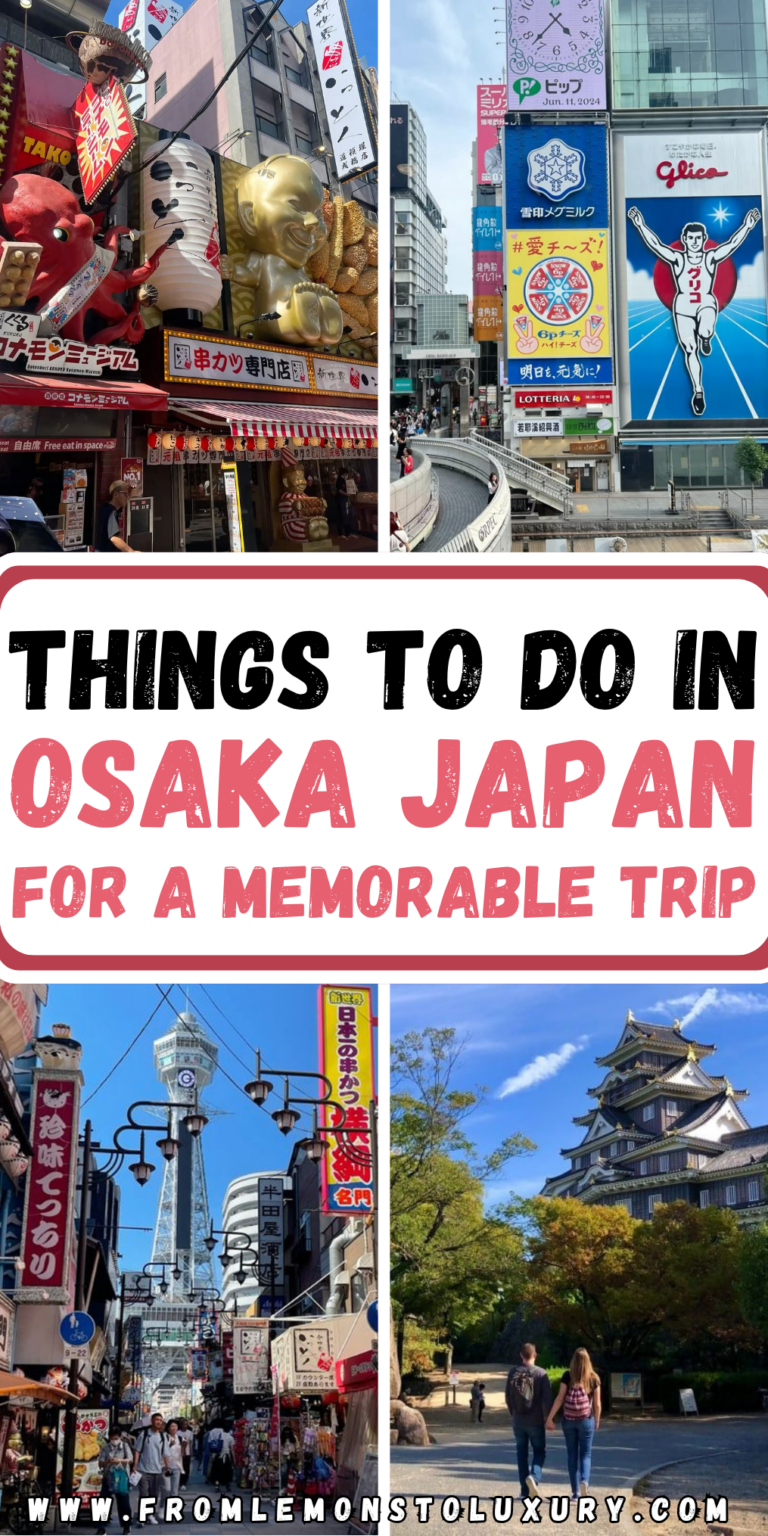
I start my morning at Osaka Castle, one of the city’s most recognizable landmarks. Arriving earlier in the day gives me a quieter experience before the larger crowds arrive.
I usually allow around two to three hours for the castle grounds and museum. The surrounding park is also worth exploring, especially if I want to slow down and take photos rather than moving on to the next attraction immediately.
Check the castle’s opening information before visiting and give extra time if you plan to explore the museum inside.
Lunch: Kuromon Market
From Osaka Castle, I make my way toward Kuromon Market, often called “Osaka’s Kitchen.” This is one of my favorite places to build a casual lunch because I can try several small dishes instead of committing to one large meal.
I look for freshly prepared seafood, grilled specialties, fruit, and other Japanese snacks. Rather than buying everything at the first stall I see, I like walking through the market once before deciding what I want to try.
Bring some cash and arrive hungry. Portions and prices vary between vendors, so comparing a few stalls can help.
Afternoon and Evening: Dotonbori
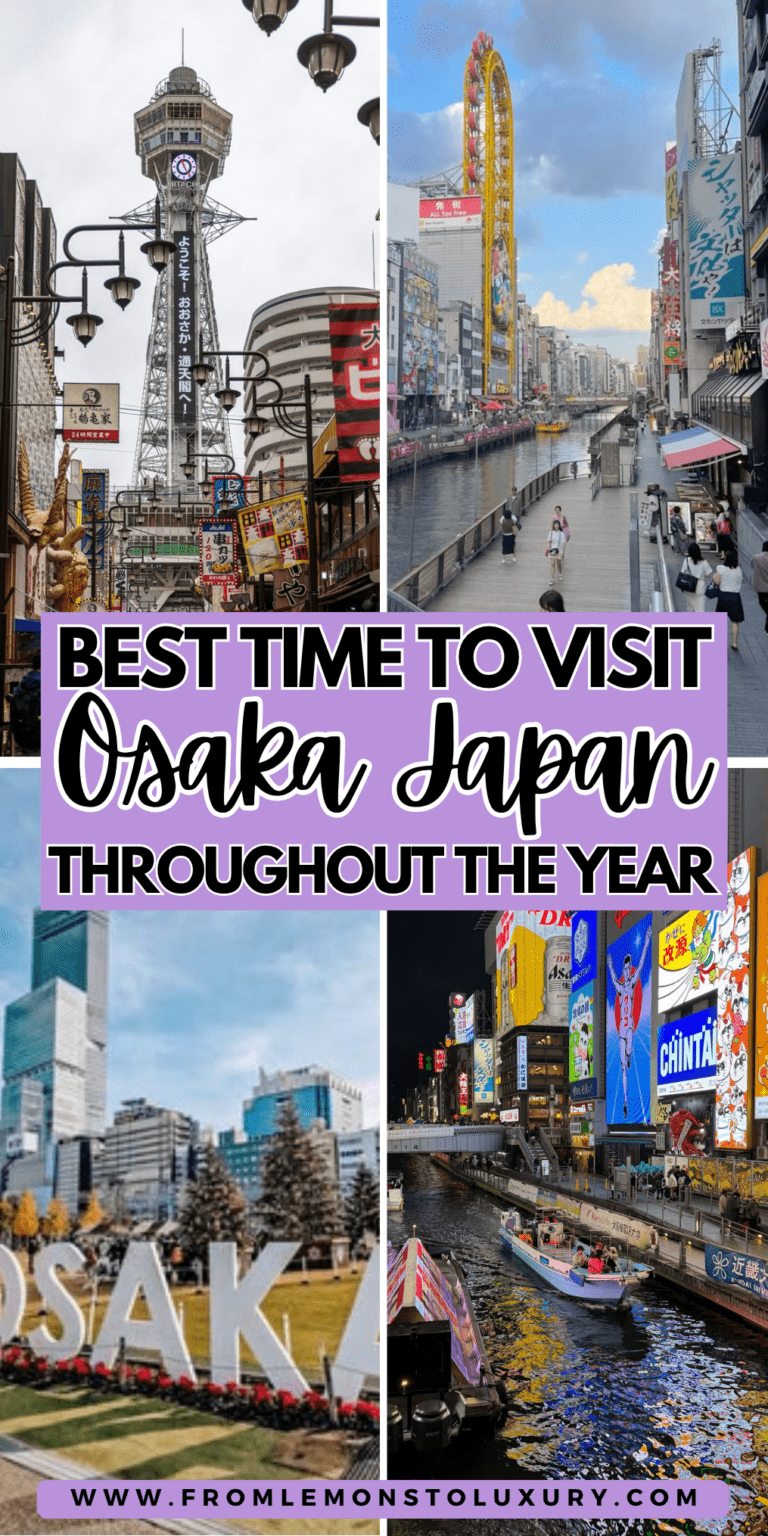
After lunch, I head toward Dotonbori, where Osaka’s energetic personality really comes alive. The canal, glowing signs, restaurants, and busy streets make this one of the places I never want to rush through.
I spend the afternoon wandering around the surrounding streets before staying into the evening. This is also a great opportunity to try some of Osaka’s best-known foods, including takoyaki and okonomiyaki.
Save some room for snacks because eating your way around Dotonbori is part of the experience.
Enjoy Dotonbori most around sunset and after dark, when the neon signs create the atmosphere Osaka is famous for.
Day 2: Shitenno-ji, Shinsekai, and Osaka’s Retro Side
On my second day, I slow the pace slightly and explore Osaka’s historic and retro neighborhoods. This gives me a different perspective from the modern energy of Dotonbori.
Morning: Shitenno-ji
I begin at Shitenno-ji, one of Japan’s oldest Buddhist temples. Compared with some of Osaka’s busier attractions, I find the temple grounds a peaceful way to start the day.
I take my time walking around the complex and appreciating the architecture. Even if you’re not deeply familiar with Japanese Buddhist history, visiting places like this helps you understand the city beyond its food and entertainment.
Try to visit respectfully by keeping your voice down and following any photography or visitor guidelines.
Lunch and Afternoon: Shinsekai
From Shitenno-ji, I continue toward Shinsekai, a neighborhood known for its nostalgic atmosphere and the iconic Tsutenkaku Tower.
This area feels noticeably different from the polished shopping districts. I enjoy walking through the streets, looking at the colorful storefronts, and stopping for lunch.
One dish I especially look for here is kushikatsu, Osaka-style skewered and fried food. It makes an easy lunch because I can order a selection of different skewers.
Evening: Explore at Your Own Pace
After exploring Shinsekai, I keep the evening flexible. If I still have energy, I continue discovering nearby streets. If you’re tired, you can return toward central Osaka for dinner.
I’ve learned that leaving a few hours unplanned can make a big difference on a short city trip. Instead of constantly checking the next destination, you can stop somewhere interesting when you find it.
Day 3: Osaka Aquarium Kaiyukan and the Bay Area
For my third day, I head toward Osaka Bay for a change of scenery. This day works especially well if you’re traveling with children, but you’ll also enjoy it as an adult because the aquarium is an impressive attraction in its own right.
Morning: Osaka Aquarium Kaiyukan
I make Osaka Aquarium Kaiyukan my main attraction for the morning. The aquarium is famous for its enormous central tank and diverse marine life.
I give myself several hours here rather than trying to squeeze it into a short visit. Moving through the exhibits at a relaxed pace makes the experience much more enjoyable.
Check ticketing and opening information ahead of time, particularly during weekends and busy travel periods.
Lunch: Tempozan Area
After the aquarium, I stay around the Tempozan area for lunch. This saves me from immediately jumping back onto a train and gives me time to enjoy the waterfront surroundings.
Depending on your energy level, you may also explore nearby attractions or simply take a break before heading back toward central Osaka.
Afternoon: Flexible Osaka Exploration
I keep my final afternoon flexible because there are several ways I can finish the trip.
If I still want to explore, I might return to a neighborhood I enjoyed earlier, browse shops for souvenirs, or revisit Dotonbori for food I didn’t get to try on the first evening.
If you prefer something quieter, you can use the afternoon to relax at a café and reflect on the trip before your final dinner.
Getting Around Osaka
One thing I quickly noticed about Osaka is that the city’s train and subway network makes it relatively easy to move between major areas. However, I find that planning the order of attractions matters more than simply knowing which train to take.
I try to group nearby attractions rather than crossing the city several times in one day. For example, putting Osaka Castle, Kuromon Market, and Dotonbori on the same day creates a much smoother itinerary.
Avoid planning every minute. Trains, crowds, meals, unexpected discoveries, and simple breaks can take longer than expected.
My Osaka Transportation Tips
Use a rechargeable IC card when possible because it makes getting around more convenient. Check train routes before leaving your accommodation. Allow extra time during morning and evening commuter periods. Avoid carrying more luggage than necessary when sightseeing. Save important locations in your map app before heading out. Group attractions by neighborhood to reduce unnecessary travel.
What I Would Eat During Three Days in Osaka
Food is a major reason I enjoy Osaka, and I wouldn’t treat meals as an afterthought.
During my three days, I make a point of trying several Osaka specialties rather than eating at the same type of restaurant every day.
- Takoyaki: A classic Osaka snack that’s especially fun to eat while exploring.
- Okonomiyaki: A savory Japanese pancake that makes a satisfying meal.
- Kushikatsu: Fried skewers that are closely associated with the Shinsekai area.
- Fresh seafood: Kuromon Market is a convenient place to sample seafood and other market foods.
- Japanese sweets and snacks: I leave room for smaller treats between major meals.
I also remind myself not to plan every restaurant. Some of my favorite travel meals happen when I notice a small, busy restaurant and decide to give it a try.
How I Would Adjust This Osaka Itinerary
The best part about a three-day itinerary is that you can easily adjust it depending on your interests.
For first-time visitors: Keep all the major attractions because they provide a good introduction to Osaka.
For food lovers: Spend more time around Kuromon Market, Dotonbori, and Shinsekai and leave extra space for meals and street food.
For families: Give Osaka Aquarium Kaiyukan plenty of time and avoid packing too many attractions into the same afternoon.
For history lovers: Spend more time at Osaka Castle and Shitenno-ji, and look for additional cultural attractions nearby.
For slower travelers: Remove one or two smaller stops each day and use that time to explore neighborhoods, cafés, and local shops.
Where I Recommend Staying in Osaka
For this itinerary, I recommend staying in Namba. I find it especially convenient because it puts me close to Dotonbori, Kuromon Market, Shinsekai, restaurants, shopping streets, and several train and subway connections. Staying in Namba also makes it easy to enjoy Osaka’s nightlife without needing a long journey back to the hotel.
If you prefer a quieter atmosphere or need convenient connections to other cities, you might choose Umeda instead. However, for a first visit focused on food, sightseeing, and Osaka’s lively neighborhoods, Namba is my top choice.
Hotel Comparison for a Three-Day Osaka Trip
| Hotel | Area | Best For | Main Advantages | Things to Consider |
|---|---|---|---|---|
| Cross Hotel Osaka | Namba | First-time visitors and couples | Excellent location near Dotonbori, stylish rooms, easy access to restaurants and shopping | Rates can be higher during busy periods |
| Hotel Nikko Osaka | Shinsaibashi | Convenient transport and comfort | Direct access to Shinsaibashi Station, spacious facilities, reliable service | Dotonbori is nearby but not directly outside the hotel |
| Swissôtel Nankai Osaka | Namba | Travelers who value convenience | Connected to Nankai Namba Station, useful for airport access, comfortable amenities | Often more expensive than mid-range hotels |
| MIMARU Osaka Namba Station | Namba | Families and groups | Apartment-style rooms, kitchen facilities, more space for longer stays | Limited availability and higher prices for larger rooms |
| Hotel Monterey Grasmere Osaka | Namba | Mid-range travelers | Convenient location, comfortable rooms, good access to transport | The hotel’s layout may feel less modern than newer properties |
| The Royal Park Canvas Osaka Kitahama | Kitahama | Quiet stays and design-focused travelers | Modern design, relaxed atmosphere, good subway access | Farther from Dotonbori and Shinsekai than Namba hotels |
Osaka Travel Checklist
- ESSENTIALS – Plan your Osaka trip around must-see attractions such as Osaka Castle, Dotonbori, Kuromon Market, Shinsekai, Shitenno-ji, and Osaka Aquarium Kaiyukan.
- WHERE TO STAY – Choose accommodation near Namba, Umeda, or Osaka Station for convenient access to restaurants, shopping, and major train and subway lines.
- TRANSPORTATION – Use Osaka’s extensive train and subway network to get around the city. An IC card can make everyday travel quicker and easier.
- ITINERARY – Group attractions by neighborhood to spend less time traveling between distant areas and more time exploring Osaka.
- FOOD – Make room for Osaka favorites such as takoyaki, okonomiyaki, kushikatsu, and fresh seafood at local markets and restaurants.
- PACKING – Bring comfortable walking shoes, weather-appropriate clothing, a portable charger, and a small day bag for sightseeing.
- FLEXIBLE TIME – Leave a few hours open each day for spontaneous food stops, shopping, cafés, and local discoveries.
Final Thoughts on My 3 Days in Osaka
Three days give you enough time to experience many of Osaka’s defining sides without turning the trip into a race from one attraction to another. Start with the history of Osaka Castle, enjoy local food at Kuromon Market, experience the bright energy of Dotonbori, discover the retro character of Shinsekai, visit the peaceful grounds of Shitenno-ji, and finish with the impressive Osaka Aquarium Kaiyukan.
What makes this itinerary work for me is the balance. If you were planning your own first three days in Osaka, this is the approach you can use: group attractions by area, allow extra time for meals and transportation, and leave a little room for discovering the city beyond the itinerary.
Travel Essentials for Osaka
Before you begin exploring Osaka, make sure you have a few essentials ready. Comfortable walking shoes are important because even with the city’s excellent public transportation, you will spend plenty of time walking between stations, attractions, markets, and restaurants. Also carry a rechargeable IC card for trains and subways, a portable charger, a small day bag, and some cash for smaller restaurants and market stalls.
Save important locations and train routes in your map app before leaving your accommodation, and check attraction opening hours and ticket requirements in advance. Also keep your schedule flexible, since crowds, meals, weather, and unexpected discoveries can easily change your timing.