Best Time To Visit Osaka: My Seasonal Guide for Weather, Festivals, and Crowds
This site contains affiliate links. I may earn a small commission, at no extra cost to you.
The first time I planned a trip to Osaka, I assumed the city would be enjoyable no matter when I arrived. While that turned out to be true, I quickly realized that each season offers a completely different experience. I’ve wandered beneath cherry blossoms in spring, explored bustling shopping streets during the humid summer months, admired brilliant autumn foliage, and enjoyed quiet winter evenings with fewer tourists around. Every visit has shown me a new side of the city.
If you’re wondering about the best time to visit Osaka, I’d recommend spring (March to May) or autumn (September to November). The weather is comfortable, the parks look incredible, and spending hours outdoors feels effortless. That said, every season has its own advantages depending on what you’re looking for. Whether you want to catch famous festivals, save money, or avoid the biggest crowds, here’s what I’ve learned from visiting Osaka throughout the year.
Spring (March to May): My Favorite Season in Osaka
Spring is easily my favorite time to visit Osaka. Temperatures are mild, flowers bloom throughout the city, and there’s an energy that makes every neighborhood feel alive.
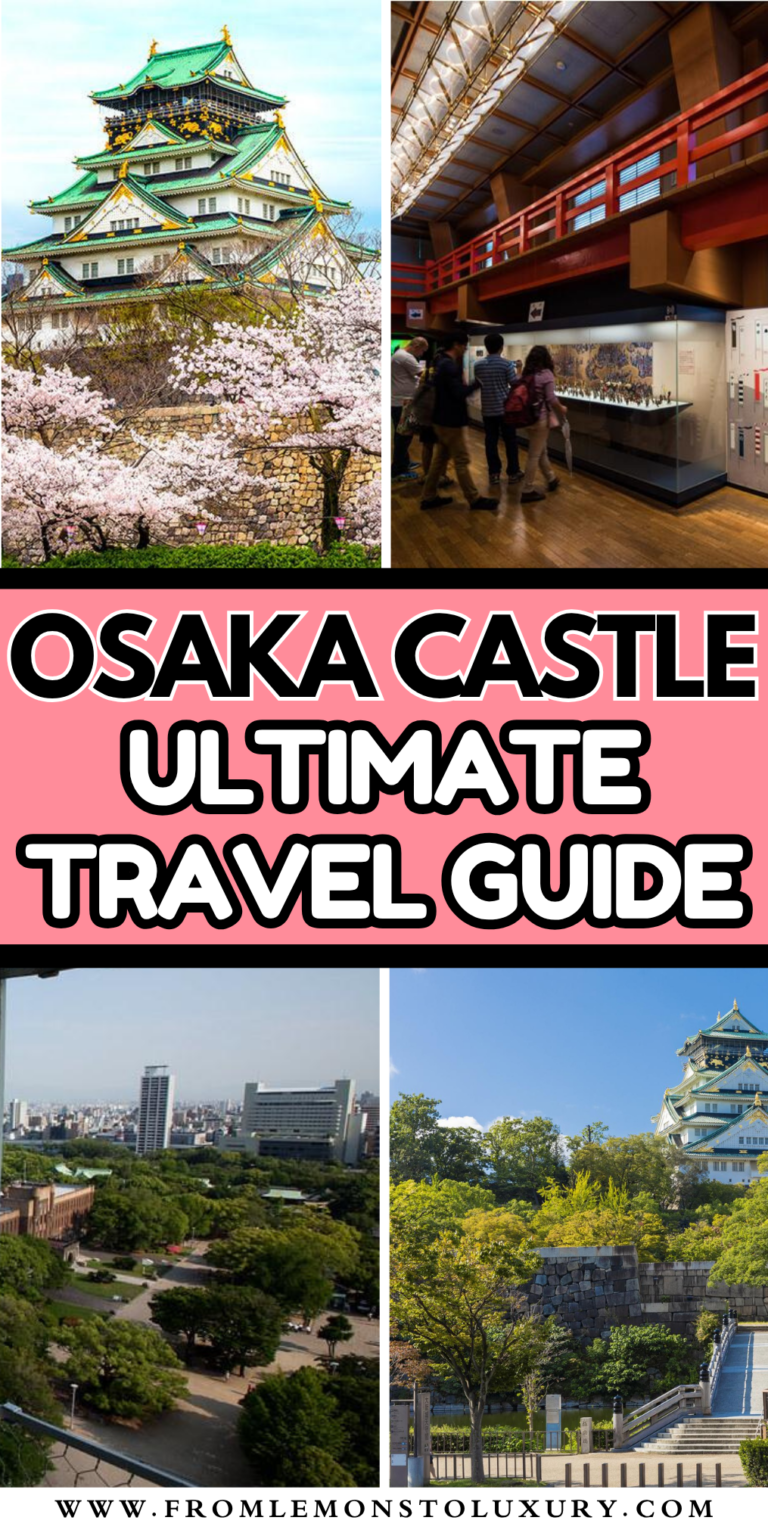
One of my favorite memories is walking through Osaka Castle Park during cherry blossom season. The pale pink sakura surrounding the historic castle create one of the most beautiful city views I’ve seen in Japan. Even locals gather beneath the trees for hanami picnics, giving the park a festive atmosphere that’s fun to experience.
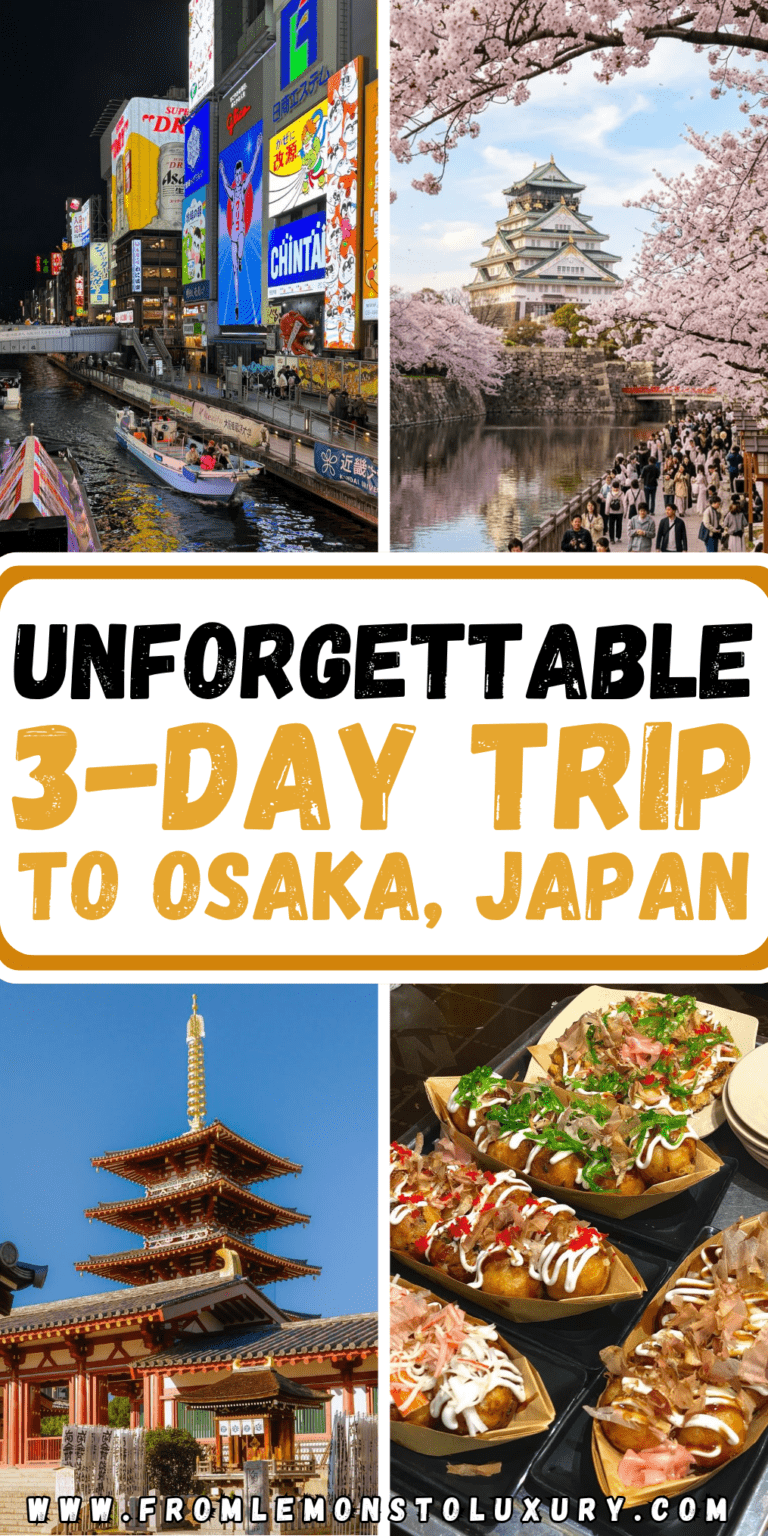
Beyond the blossoms, spring makes sightseeing incredibly comfortable. I could spend the morning exploring Dotonbori, walk to Namba in the afternoon, and still have enough energy for an evening food tour without feeling exhausted by the weather.
If you visit during spring, expect:
- Comfortable temperatures between 50°F and 72°F (10°C–22°C)
- Cherry blossoms usually reaching peak bloom from late March to early April
- Beautiful parks and gardens throughout the city
- Higher hotel prices during sakura season
- Large crowds at popular attractions
If seeing cherry blossoms is at the top of your bucket list, try booking accommodations several months in advance. Hotels near Namba, Umeda, and Osaka Castle fill quickly.
Summer (June to August): Festivals, Fireworks, and Humidity
Summer in Osaka is exciting, but it can also be surprisingly challenging. During my first summer visit, I underestimated both the humidity and the heat. By midday, I found myself taking frequent breaks inside shopping malls, cafés, and train stations to cool down.
That doesn’t mean summer isn’t worth visiting. In fact, many of Osaka’s biggest festivals happen during these months. One of the highlights is the Tenjin Matsuri in late July, featuring lively street celebrations, traditional boats along the river, and spectacular fireworks that light up the city skyline.
Summer is also a fantastic time for seasonal foods like kakigori (Japanese shaved ice), cold noodles, and refreshing fruit desserts.
Here’s what I noticed during summer:
- Temperatures often range from 77°F to 95°F (25°C–35°C)
- High humidity makes afternoons feel much hotter
- Frequent rain during June’s rainy season
- Major cultural festivals throughout July and August
- Longer daylight hours for sightseeing
If you’re visiting in summer, I recommend exploring outdoor attractions early in the morning or after sunset. The afternoons are perfect for museums, department stores, or enjoying Osaka’s incredible indoor food scene.
Autumn (September to November): Beautiful Weather and Vibrant Colors
If spring isn’t possible, I’d choose autumn without hesitation. As the humidity disappears and temperatures cool, Osaka becomes incredibly comfortable for walking.
One of my favorite experiences was visiting Minoo Park during late autumn. The hiking trail, surrounded by vibrant red, orange, and yellow leaves, felt peaceful despite being so close to the city center. Even neighborhoods like Osaka Castle Park and Expo ’70 Commemorative Park become colorful during this season.
Autumn also offers some of the clearest skies I’ve experienced in Osaka, making city viewpoints and evening photography especially rewarding.
You can expect:
- Pleasant temperatures between 55°F and 77°F (13°C–25°C)
- Gorgeous autumn foliage from mid-November into early December
- Comfortable weather for day trips and walking tours
- Moderate crowds compared to cherry blossom season
- Excellent conditions for food markets and outdoor dining
For travelers who enjoy sightseeing without constantly worrying about the weather, autumn offers one of the most balanced experiences of the year.
Winter (December to February): Quiet Streets and Lower Prices
Winter surprised me the most. Before visiting, I imagined Osaka would be cold and difficult to explore, but the city remains relatively mild compared to many other destinations.
I enjoyed wandering around Dotonbori without the overwhelming crowds I experienced during spring. Restaurants were easier to enter, attractions felt less hectic, and hotel prices were noticeably lower outside the holiday period.
Winter is also when Osaka sparkles with seasonal illuminations. Streets and parks are decorated with impressive light displays that make evening walks feel magical.
Winter visitors can look forward to:
- Temperatures between 37°F and 54°F (3°C–12°C)
- Smaller crowds outside New Year’s holidays
- Better hotel deals
- Seasonal light displays and winter events
- Comfortable sightseeing with a warm jacket
Although trees aren’t in bloom, I appreciated how relaxed the city felt during winter, especially for shopping and exploring popular neighborhoods.
Festivals Worth Planning Around
One thing I’ve learned is that festivals can completely transform your Osaka experience. If your travel dates are flexible, it’s worth planning around one of the city’s biggest celebrations.
Spring brings cherry blossom festivals throughout Osaka’s parks, while summer features the iconic Tenjin Matsuri with its famous river procession and fireworks. Autumn often includes cultural events, food festivals, and seasonal markets, while winter introduces beautiful illumination displays and festive decorations across shopping districts.
Festival periods also mean larger crowds and higher accommodation prices, so booking early makes a huge difference.
When Osaka Is Most Crowded
From my experience, the busiest periods include:
- Late March through early April during cherry blossom season
- Japan’s Golden Week in late April to early May
- Mid-August during the Obon holiday
- New Year’s celebrations
During these times, trains, attractions, and hotels become noticeably busier. While the atmosphere is exciting, you’ll need more patience and reservations.
Where I Like to Stay in Osaka
I recommend choosing your hotel based on the season and the experiences you want to prioritize.
During spring, Hotel New Otani Osaka is one of my top picks thanks to its stunning views of Osaka Castle Park and easy access to cherry blossoms.
If you’re visiting in the hot summer months, Hotel Hankyu RESPIRE Osaka offers a convenient location connected to Osaka Station, making it easy to cool off in nearby shopping malls and restaurants.
For an autumn getaway, I love Citadines Namba Osaka, which places you close to Kuromon Market, Dotonbori, and excellent public transportation for sightseeing.
In winter, when hotel prices are often lower, Swissôtel Nankai Osaka is a fantastic choice with direct access to Namba Station, while Mitsui Garden Hotel Osaka Premier offers a quieter, upscale stay that’s perfect for relaxing after a day of exploring.
No matter the season, staying in neighborhoods like Namba, Umeda, or Shinsaibashi makes it easy to reach Osaka’s top attractions and enjoy the city’s outstanding train network.
The Best Time for Budget Travelers
If saving money is your priority, I’d recommend visiting during late January, February (excluding holiday periods), early June before peak summer travel, or late November after the autumn foliage crowds begin to fade.
I’ve found airfare and hotel prices to be noticeably lower during these quieter periods, while many attractions remain just as enjoyable. You’ll also spend less time waiting in lines, giving you more opportunities to explore at your own pace.
Final Thoughts
After experiencing Osaka in different seasons, I’ve come to appreciate that there isn’t one perfect time to visit—only the perfect time for the kind of trip you want. Personally, I always find myself drawn back during spring and autumn because of the pleasant weather and beautiful scenery. But every season has given me unforgettable memories, from watching fireworks along the river in summer to strolling beneath dazzling winter illuminations.
If you’re planning your first visit, think about what excites you most. Whether it’s cherry blossoms, colorful autumn leaves, lively festivals, or quieter streets with better hotel deals, Osaka has a way of making every season feel memorable.
Best Time to Visit Osaka Checklist
- SPRING (MARCH–MAY) – Visit for cherry blossoms, comfortable temperatures, and beautiful parks. Book hotels early since this is one of Osaka’s busiest travel seasons.
- SUMMER (JUNE–AUGUST) – Expect hot, humid weather, but don’t miss festivals like Tenjin Matsuri, spectacular fireworks, and seasonal street food. Plan outdoor activities for the morning or evening.
- AUTUMN (SEPTEMBER–NOVEMBER) – Enjoy crisp weather, colorful fall foliage, and ideal sightseeing conditions. It’s one of the best seasons for walking tours and day trips.
- WINTER (DECEMBER–FEBRUARY) – Experience fewer crowds, lower hotel prices, winter illuminations, and a more relaxed atmosphere while exploring the city.
- BEST FOR CHERRY BLOSSOMS – Visit from late March to early April and spend time at Osaka Castle Park, Kema Sakuranomiya Park, and Expo ’70 Commemorative Park.
- BEST FOR FESTIVALS – Plan your trip around the Tenjin Matsuri in July or seasonal autumn food and cultural festivals for an authentic local experience.
- BEST FOR BUDGET TRAVEL – Consider late January, February, early June, or late November for lower airfare, hotel deals, and shorter attraction lines.
- HOTEL TIPS – Stay in Namba for nightlife and dining, Umeda for transportation and shopping, or Osaka Castle for easy access to seasonal scenery.
- PACKING ESSENTIALS – Bring lightweight clothing for summer, layers for spring and autumn, and a warm jacket for winter evenings. Comfortable walking shoes are essential year-round.
- FINAL TIP – If your travel dates coincide with cherry blossom season, Golden Week, or major festivals, reserve your accommodations several months in advance for the best prices and availability.
Essential Tips Before You Choose Your Travel Dates
Choosing the right season depends on the kind of trip you want. If you’re visiting Osaka for iconic photos and comfortable sightseeing, spring and autumn are hard to beat. Summer rewards travelers with unforgettable festivals and vibrant nightlife but requires preparation for the heat. Winter offers a calmer atmosphere, better hotel prices, and fewer crowds while still providing plenty to see and do.
No matter when you visit, I recommend booking accommodations early if your trip overlaps with major festivals or Japanese holidays. Wearing comfortable walking shoes, checking the weather forecast before packing, and leaving room in your itinerary for spontaneous discoveries will make your trip much more enjoyable.