How Many Days in Osaka: Ideal Itinerary Length For Your Trip
This site contains affiliate links. I may earn a small commission, at no extra cost to you.
When I first started planning my trip to Osaka, I kept coming back to one simple question: how many days do I actually need here? I wanted enough time to enjoy the city’s famous food culture, explore its lively neighborhoods, visit historic landmarks, and still have the flexibility to take a day trip without feeling rushed or overwhelmed.
After spending time in Osaka myself, I realized that three days is the ideal length for most first-time visitors. It gave me a comfortable balance between sightseeing and slowing down enough to actually enjoy the experience. I could explore major attractions, eat my way through street food stalls, and still step outside the city for a day trip without constantly watching the clock. That said, the right number of days really depends on your travel style. A shorter stay can still cover the highlights, while a longer visit allows for deeper exploration and more relaxed travel.
In this guide, I’ll walk you through what Osaka feels like at different trip lengths so you can decide what works best for your own itinerary.
Is Osaka Worth Visiting?
From my experience, Osaka is absolutely worth visiting and easily one of the most enjoyable cities in Japan. While Tokyo felt fast-paced and Kyoto felt deeply traditional, Osaka struck a perfect balance with its relaxed energy, incredible food scene, and welcoming atmosphere.
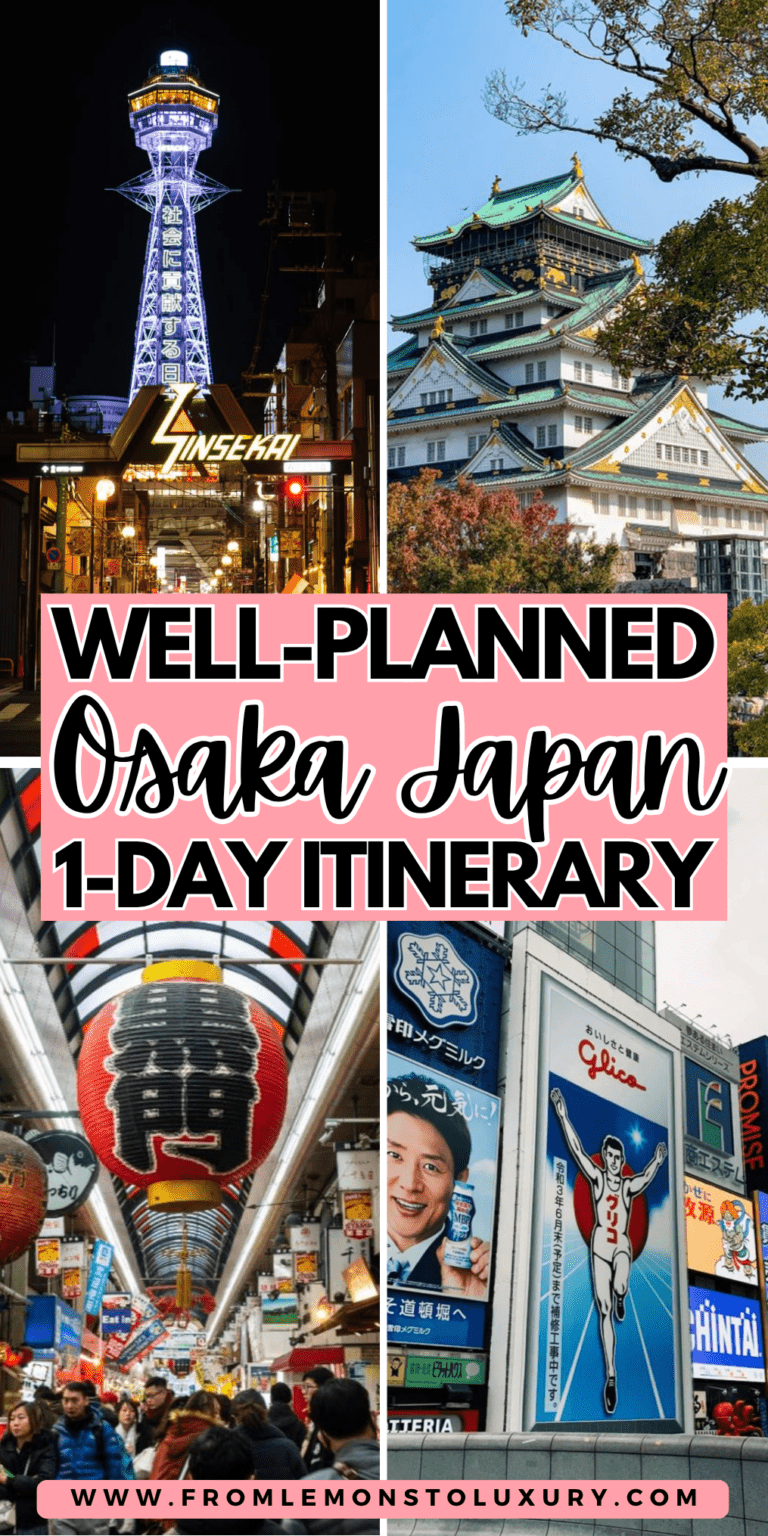
What stood out to me most was how easy it was to explore. The city feels approachable, and every neighborhood has its own personality. Whether I was wandering through neon-lit streets in Dotonbori, exploring historic sites like Osaka Castle, or simply trying local dishes at a small restaurant, there was always something interesting happening.
Osaka is also a great base for exploring the Kansai region. Cities like Kyoto, Nara, Kobe, and Himeji are all close enough for easy day trips, which makes Osaka even more appealing for longer stays.
How Many Days Should You Spend in Osaka?
When I look back on my trip, I can clearly see how different lengths of stay change the experience. A single day only gives you a quick glimpse of the city, while two days allow you to see the main highlights. Three days, however, is where Osaka really starts to feel complete. With four days, you can slow down and add major experiences like Universal Studios Japan, and with five or more days, Osaka becomes a base for exploring the entire region at a relaxed pace.
Osaka in 1 Day
A one-day visit to Osaka is best suited for travelers who are passing through, such as those traveling between Kyoto and Tokyo or stopping briefly on a cruise itinerary. In this short amount of time, you won’t be able to see everything, but you can still get a strong impression of the city’s energy and food culture.
In a single day, I would start the morning at Osaka Castle, where the surrounding park offers a peaceful introduction to the city. From there, heading to Kuromon Market for lunch gives you a taste of Osaka’s famous street food culture. In the afternoon, exploring Shinsaibashi and Amerikamura offers a mix of shopping and youth culture, before ending the day in Dotonbori. This area truly comes alive at night, and walking along the canal while trying local street food is one of the most memorable experiences in the city.
Even in just one day, Osaka manages to leave a strong impression through its food, lights, and atmosphere.
Osaka in 2 Days
With two days in Osaka, the experience becomes more balanced and less rushed. I found that this amount of time allowed me to see both the historical and modern sides of the city without feeling like I was constantly moving from one place to another.
On the first day, I focused on Osaka Castle, Kuromon Market, Shinsaibashi, and Dotonbori, which gave me a solid introduction to the city’s culture and food scene. The second day felt more diverse, starting in Shinsekai with its retro atmosphere and Tsutenkaku Tower, followed by a visit to Sumiyoshi Taisha, one of Japan’s oldest shrines. Ending the day at Umeda Sky Building provided a stunning panoramic view of the city.
By the end of two days, I felt like I had seen the essential highlights, but I also noticed that I was just beginning to understand Osaka’s deeper character.
Osaka in 3 Days (My Recommended Itinerary)
Three days in Osaka is where the city truly comes alive. This is the amount of time I personally recommend for first-time visitors because it allows you to experience the city at a comfortable pace while still covering a wide range of attractions.
On the first day, I explored Osaka Castle and its surrounding gardens before heading to Kuromon Market for lunch. The day ended in Dotonbori, where the neon lights and street food created an unforgettable evening atmosphere.
The second day took me through Shinsekai and Tsutenkaku, followed by a visit to Shitennoji Temple and the Umeda area. This combination gave me a mix of old and new Osaka, from traditional temples to modern city views.
On the third day, I chose to take a day trip, which is one of the best parts of staying in Osaka. Kyoto, Nara, and Kobe are all easy to reach, and each offers a completely different experience. I personally found this day trip to be one of the highlights of my entire journey.
What makes three days ideal is the balance it creates. You have time to explore, eat well, enjoy the nightlife, and still step outside the city without feeling rushed.
Osaka in 4 Days
With four days in Osaka, the pace of travel becomes noticeably more relaxed. Instead of trying to fit everything into a tight schedule, I found myself slowing down and enjoying the city in a more natural way.
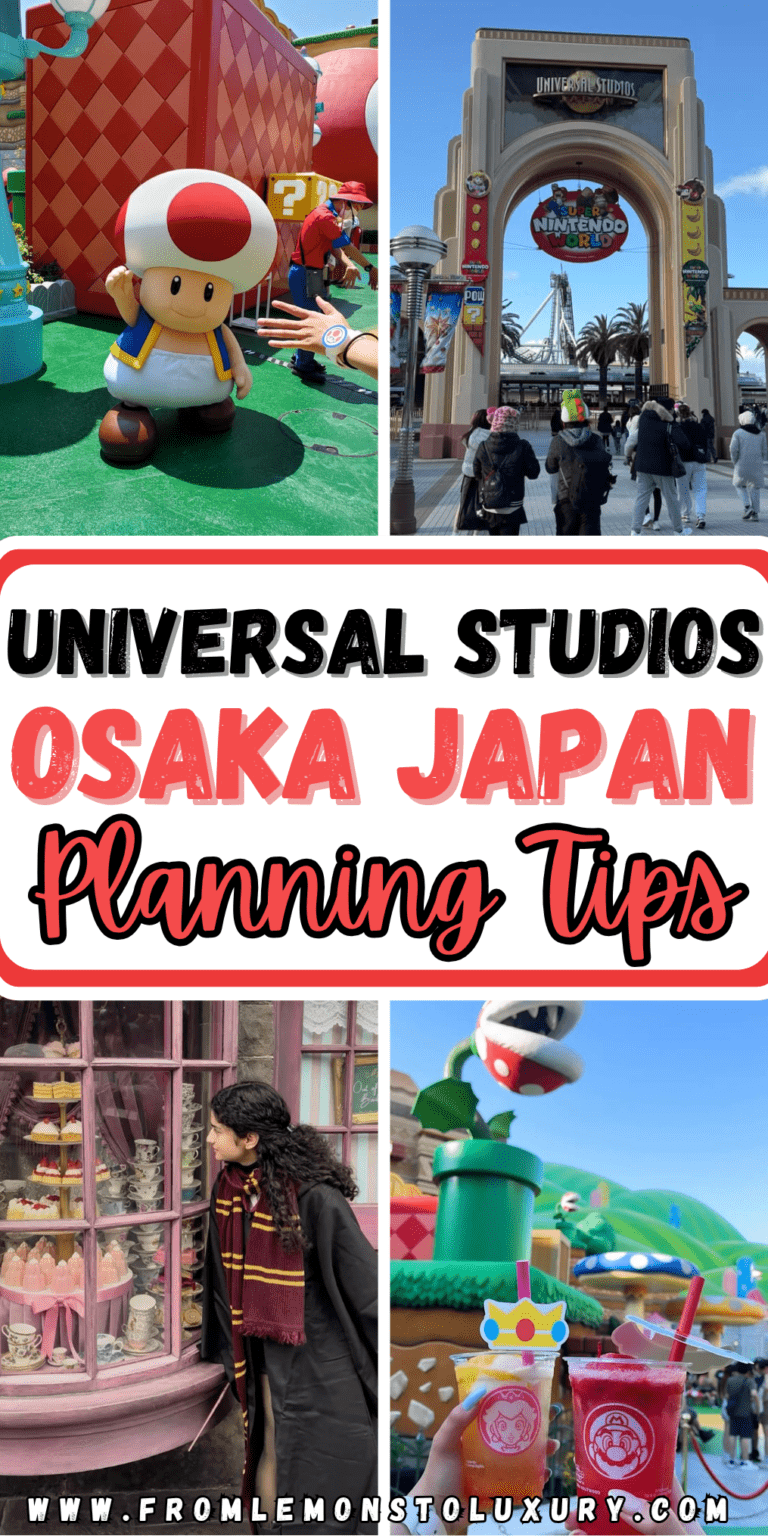
The first two days can be spent exploring the main attractions and food districts, while the third day is perfect for Universal Studios Japan, which easily takes up an entire day on its own. The fourth day can then be used for a day trip to nearby cities like Nara, Kyoto, or Kobe.
What I appreciated most about a four-day stay was the flexibility. I had time to enjoy cafés, explore smaller neighborhoods, and take breaks without feeling like I was missing out on anything important.
Osaka in 5 Days or More
Staying five days or longer in Osaka transforms the trip into a much deeper travel experience. Instead of just visiting attractions, I was able to settle into the rhythm of the city and explore it more like a local.
The first few days can be dedicated to central Osaka, including its historic sites, shopping districts, and food neighborhoods. Universal Studios Japan fits naturally into the itinerary as a full-day experience. The remaining days open up opportunities for day trips to Kyoto, Nara, Kobe, Himeji, and even further destinations like Uji or Awaji Island.
What I enjoyed most about a longer stay was the freedom it gave me. I could revisit favorite areas, discover quieter neighborhoods, and spend more time enjoying local food without feeling rushed. It also made travel days much less stressful since I wasn’t constantly packing and moving hotels.
Which Osaka Itinerary Is Right for You?
| Trip Length | Best For |
|---|---|
| 1 Day | Quick stopovers and short visits |
| 2 Days | Seeing the major highlights |
| 3 Days | First-time visitors |
| 4 Days | Universal Studios Japan and relaxed sightseeing |
| 5+ Days | Slow travel and Kansai day trips |
Where I Recommend Staying in Osaka
Choosing the right neighborhood made a huge difference during my trip. I found that staying near a major train station saved both time and energy, especially after long days of sightseeing. If it’s your first visit, I’d recommend booking a hotel in either Namba or Umeda. Namba puts you within walking distance of Dotonbori, Shinsaibashi, and Kuromon Market, making it ideal if you want to experience Osaka’s famous food and nightlife. Umeda, on the other hand, offers excellent transportation connections, making it easy to take day trips to Kyoto, Nara, and Kobe.
Here are a few hotels I would consider for different budgets:
- Budget: Hotel Forza Osaka Namba – A modern, comfortable hotel just a short walk from Dotonbori, making it perfect for travelers who want to stay in the heart of the action without spending too much.
- Mid-range: Cross Hotel Osaka – One of my favorite choices thanks to its spacious rooms, excellent location overlooking Dotonbori, and easy access to shopping, restaurants, and train stations.
- Luxury: Conrad Osaka – If you’re looking to splurge, this hotel offers stunning panoramic city views, elegant rooms, exceptional service, and one of the best luxury experiences in Osaka, all conveniently located near public transportation.
I recommend booking your hotel at least two to three months in advance. These are some of Osaka’s busiest travel periods, and accommodations in popular areas like Namba and Umeda often sell out quickly. Booking early not only gives you a wider selection of hotels but can also help you secure better rates before prices increase closer to your travel dates.
Osaka Trip Checklist
Before I head to Osaka, I always like to have the important details sorted out so I can spend less time planning and more time enjoying the trip. Here’s a quick checklist I recommend going through before you travel.
- Travel Essentials – Double-check your passport, visa requirements (if applicable), travel insurance, and any attraction tickets you’ve booked in advance.
- Book Your Hotel Early – I recommend staying in Namba if you want to be close to Osaka’s nightlife and street food, or Umeda for excellent transportation connections. If you’re visiting during cherry blossom season, autumn, or Golden Week, book your hotel at least 2–3 months in advance.
- Buy an IC Card – An ICOCA card makes riding Osaka’s trains, subways, and buses incredibly convenient. It can also be used in many convenience stores and vending machines.
- Reserve Universal Studios Japan Tickets – If Universal Studios Japan is part of your itinerary, purchase your admission tickets and Express Pass well before your trip, especially during weekends and holidays.
- Stay Connected – I recommend purchasing an eSIM, local SIM card, or renting a pocket Wi-Fi device so you can easily use Google Maps, translation apps, and mobile payments throughout your trip.
- Pack for the Season – Bring comfortable walking shoes, a portable power bank, a reusable water bottle, and clothing suitable for the season. A compact umbrella is also useful since weather can change unexpectedly.
- Plan Your Day Trips – If you plan to visit Kyoto, Nara, Kobe, or Himeji, check train schedules ahead of time and decide whether a regional rail pass makes sense for your itinerary.
- Carry Some Cash – While credit cards are widely accepted, I found that some local restaurants, food stalls, and small shops still prefer cash.
- Leave Room for Spontaneous Discoveries – Some of my favorite memories came from wandering into quiet side streets, discovering small cafés, and trying restaurants that weren’t on my itinerary. Don’t schedule every minute—you’ll enjoy Osaka even more with a little flexibility.
Frequently Asked Questions
Is 2 days enough for Osaka?
Yes. Two days is enough to visit Osaka Castle, Dotonbori, Shinsekai, Kuromon Market, and several popular shopping areas. It’s a good option if you’re short on time, though your schedule will be fairly busy.
Is 3 days enough for Osaka?
Yes. In my experience, three days is the ideal amount of time for most first-time visitors. It gives you enough time to explore the city’s top attractions, enjoy the local food scene, and even take a day trip to Kyoto, Nara, or Kobe.
Is Osaka better than Kyoto?
I don’t think one city is better than the other—they simply offer different experiences. Osaka is known for its street food, nightlife, and modern entertainment, while Kyoto is famous for its temples, gardens, shrines, and traditional atmosphere. If your itinerary allows, I recommend visiting both.
Can I use Osaka as a base for day trips?
Absolutely. Osaka is one of the best cities in Japan for day trips. Popular destinations include Kyoto, Nara, Kobe, Himeji, Uji, and even Hiroshima if you’re comfortable with an early start.
Final Thoughts
If I had to choose just one recommendation, I would say that three days in Osaka is the perfect balance for most travelers. It gives you enough time to experience the city’s highlights, enjoy its incredible food culture, explore different neighborhoods, and still take a meaningful day trip without feeling rushed.
No matter how long you stay, Osaka has a way of making every day feel exciting and full of discovery. Whether you are visiting for a short stop or a longer journey through Japan, the city rewards you with unforgettable experiences at every turn.
Essential Tips for Planning Your Osaka Trip
Before I arrived in Osaka, I made sure to prepare a few travel essentials that made my trip much smoother. Having the right items ready helped me move around the city easily, stay comfortable during long sightseeing days, and focus more on enjoying Osaka instead of dealing with small travel issues.
The most important thing to carry is your passport along with any travel documents such as hotel bookings, insurance details, and transport reservations. I also found it very helpful to get an IC transportation card like ICOCA, which made it easy to use trains and buses without buying tickets every time.
Comfortable walking shoes are essential because Osaka is a very walkable city and I often spent the whole day on my feet exploring different neighborhoods. A portable power bank is also very useful since using maps, translation apps, and taking photos can drain your phone battery quickly.
It is a good idea to carry both cash and a credit card because while many places accept cards, smaller restaurants and street food stalls often prefer cash. I also recommend bringing a reusable water bottle since there are many refill spots around the city, especially in public areas and stations.
The weather in Osaka can change, so a light jacket or a small umbrella can be very useful depending on the season. If your plug type is different, a Japan-compatible power adapter is necessary for charging your devices. Staying connected is also important, so I used either pocket Wi-Fi or an eSIM, which made navigation and translation much easier throughout my trip.
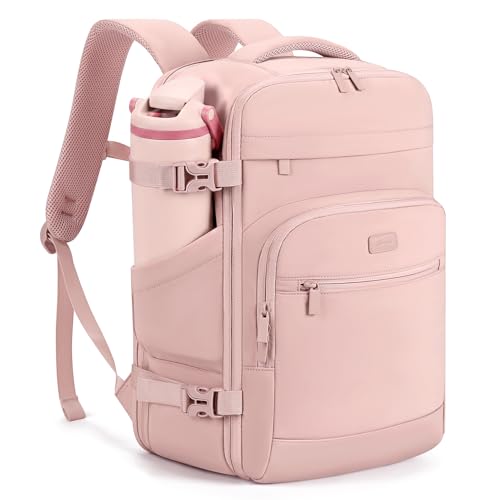
Finally, a small day bag is very practical for carrying your daily essentials like water, wallet, phone, and power bank without feeling too heavy.
Preparing these simple essentials before my trip helped me travel around Osaka with confidence and ease. Once everything was ready, I could fully enjoy the city’s food, culture, and attractions without worrying about what I might have forgotten.