Must-See Rome, Italy Travel Destination For A First-Timer
This site contains affiliate links. I may earn a small commission, at no extra cost to you.
Rome is one of those cities that has been on my travel list for years, and when I finally started planning a trip there, I quickly realized just how much there is to see. From ancient ruins and beautiful piazzas to incredible food and quiet little streets, Rome feels like a place where every turn has a story.
If you’re planning your first trip, it can be overwhelming to decide which places are actually worth prioritizing. I’ve put together this guide to Rome, Italy, travel destinations, including famous landmarks, beautiful neighborhoods, and a few practical tips to help you make the most of your visit.
Colosseum
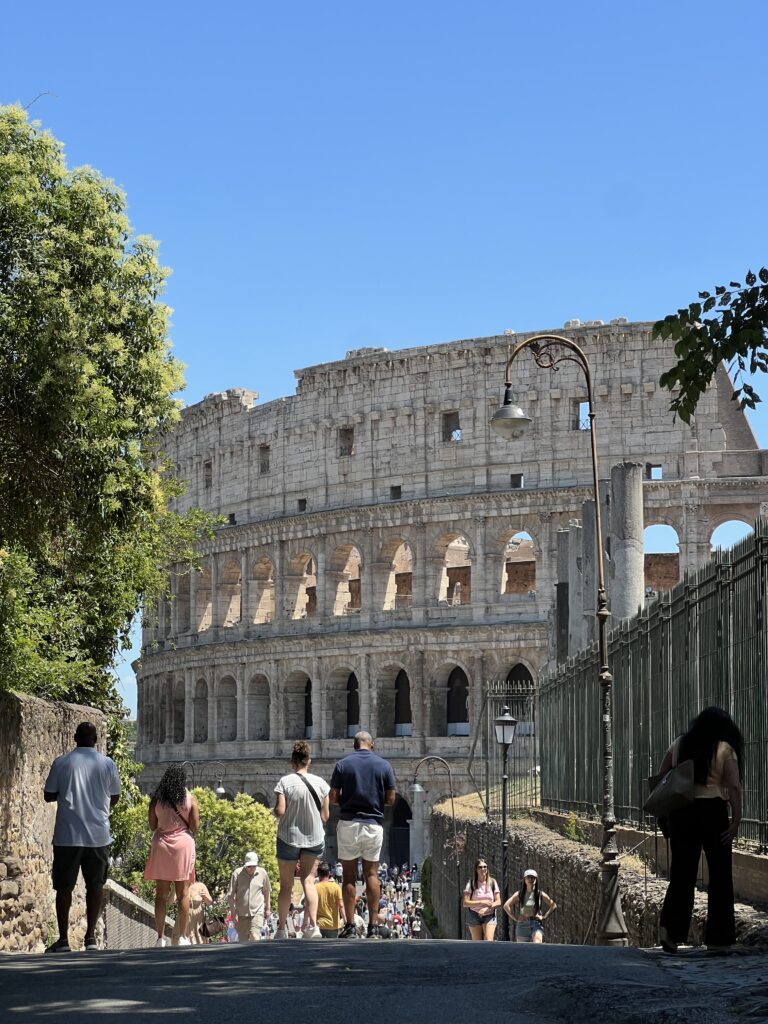
The Colosseum would be at the very top of my Rome itinerary. Seeing it in person is completely different from looking at photos because the size and history of the ancient amphitheater really sink in when you’re standing beside it.
Book your entry ahead of time, especially if you’re visiting during a busy travel season. Going earlier in the day makes it easier to explore before the biggest crowds arrive.
Roman Forum
Right near the Colosseum, the Roman Forum is another place you shouldn’t skip. Walking among the ancient temples, arches, and ruins gave me a much better sense of what ancient Rome must have looked like.
Give yourself plenty of time here rather than treating it as a quick stop. The area is larger than it looks, and there are plenty of details that are easy to miss if you rush through.
Trevi Fountain
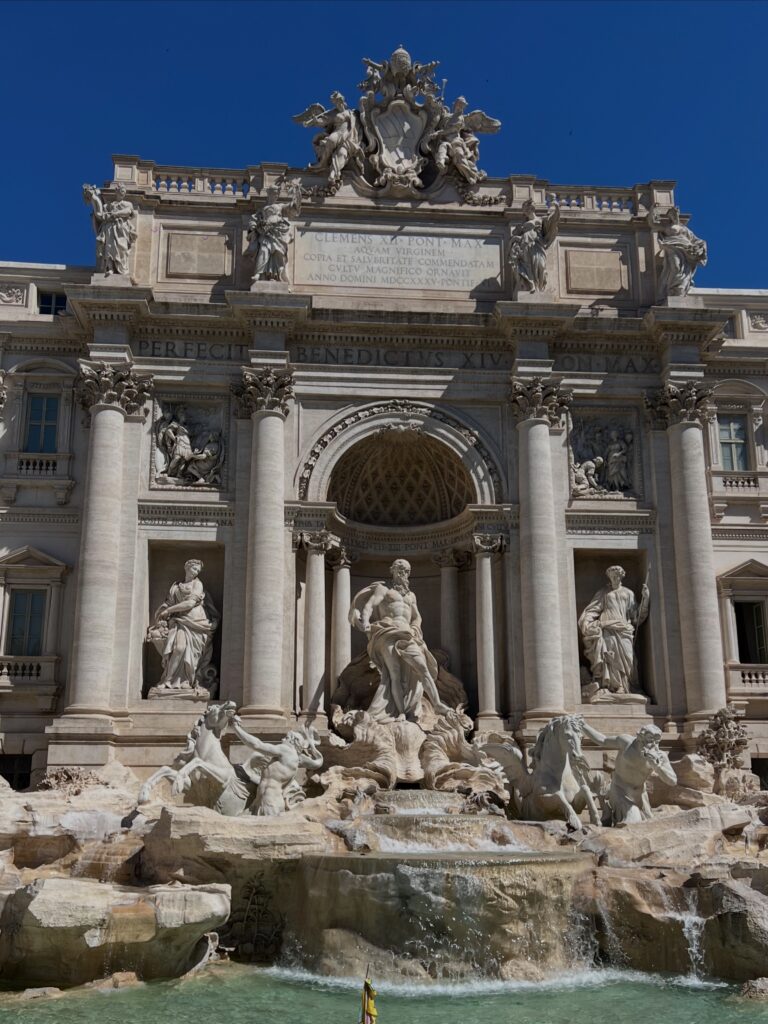
The Trevi Fountain is probably one of the most recognizable spots in Rome, and yes, it deserves a place on your itinerary. The Baroque architecture is gorgeous, and the fountain is especially magical when the surrounding buildings are illuminated in the evening.
It does get extremely busy, though. If you want a calmer experience and better photos, aim for early morning rather than visiting in the middle of the day.
Pantheon
The Pantheon surprised me with how impressive it felt despite being surrounded by busy streets and cafés. The ancient structure is remarkably well preserved, and stepping inside to see the enormous dome and central opening is something I found genuinely memorable.
Combine the Pantheon with a walk around the surrounding historic center. You can easily spend a few hours wandering through the nearby piazzas, grabbing a coffee, and stopping whenever a beautiful street catches your eye.
Piazza Navona
Piazza Navona is one of my favorite places to simply slow down. Instead of feeling like another attraction you need to check off a list, it’s somewhere I’d recommend sitting for a while and enjoying the atmosphere.
The square is surrounded by restaurants, cafés, fountains, and beautiful architecture. It’s also an easy stop to add between the Pantheon and other historic-center attractions.
Spanish Steps
The Spanish Steps are another classic Rome destination that is worth seeing, particularly if you enjoy architecture and people-watching. The steps connect Piazza di Spagna with the area above, creating one of those iconic Roman scenes you’ll probably recognize from travel photos.
After visiting, spend some time exploring the surrounding streets. This area is also great for browsing boutiques, enjoying an espresso, or simply wandering without a strict plan.
Vatican City and St. Peter’s Basilica
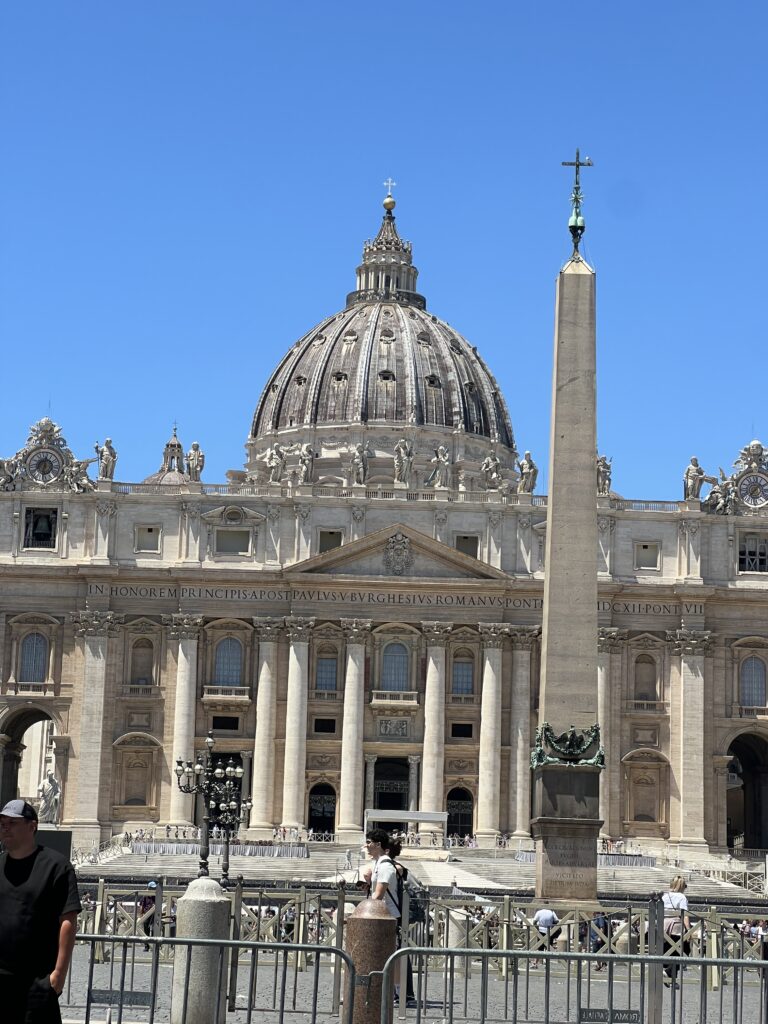
Even though Vatican City is technically a separate country, I’d definitely include it in a Rome itinerary. St. Peter’s Basilica is breathtaking, and the Vatican Museums are home to an enormous collection of art and historical treasures.
If you want to visit the museums, you should plan ahead because this can easily take several hours. For me, this is one of those places where having a little extra time makes the experience much more enjoyable.
Castel Sant’Angelo
After exploring the Vatican area, walk toward Castel Sant’Angelo. The fortress is visually impressive from the outside, but the views from the upper levels are what make it particularly interesting.
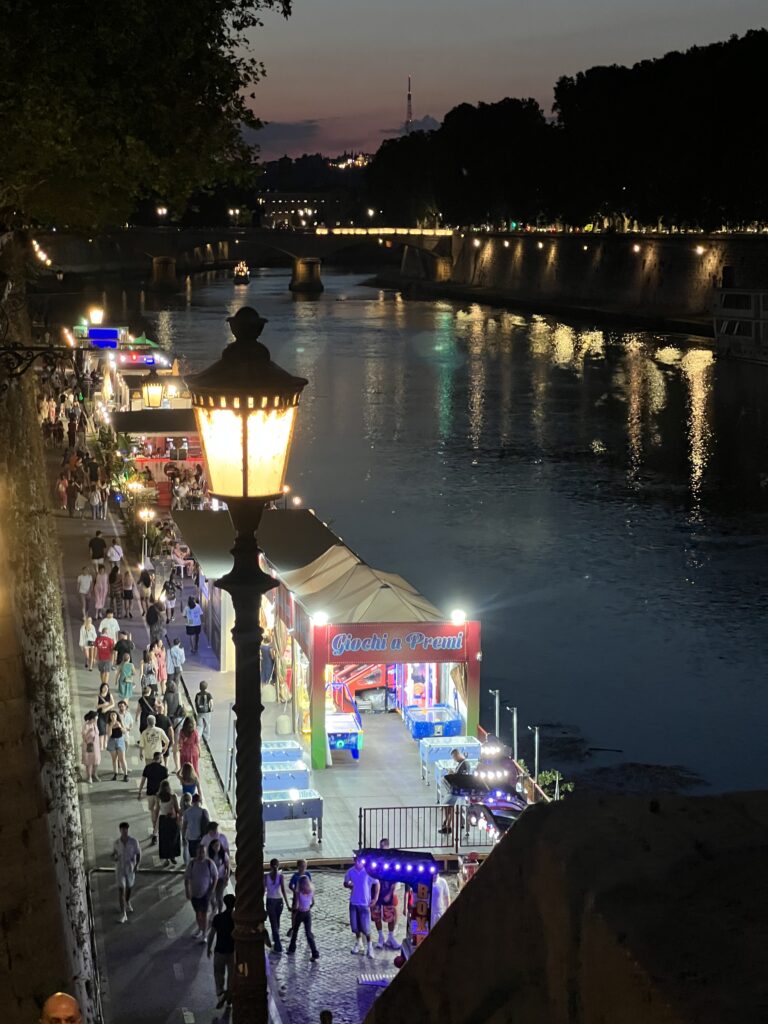
The walk along the Tiber River also makes this a nice addition to a sightseeing day. It gives you a chance to move away from some of the busiest tourist streets while still seeing plenty of Rome along the way.
Trastevere
If you want a break from major landmarks, Trastevere is the neighborhood you could head toward. Its narrow cobblestone streets, colorful buildings, little restaurants, and lively atmosphere make it feel very different from simply visiting one monument after another.
I’d recommend coming here around late afternoon and staying into the evening. It’s a great area for dinner, drinks, and a relaxed walk after a busy day of sightseeing.
Villa Borghese
If you’re starting to feel like you’ve spent too much time surrounded by buildings and crowds, Villa Borghese offers a welcome change of pace. The large park has walking paths, gardens, viewpoints, and plenty of space to relax.
You can also visit the Borghese Gallery if art is one of your interests. Reserve enough time for the area rather than trying to squeeze it into a rushed itinerary.
Campo de’ Fiori
Campo de’ Fiori is another lively spot that you can add to a Rome trip. The square is known for its market during the day, while the surrounding area becomes busy with restaurants and bars later on.
I like destinations like this because they let you experience a little bit of everyday city life rather than only visiting major monuments. It’s also conveniently located near several other historic-center attractions.
Aventine Hill and the Orange Garden
For one of the more peaceful experiences in Rome, I’d make my way to Aventine Hill. The Orange Garden is a lovely place to walk around and take in views across the city.
One of the fun stops nearby is the famous keyhole viewpoint at the Priory of the Knights of Malta. It’s a small detour, but it gives you a unique view that feels quite different from Rome’s major tourist attractions.
Best Time to Visit Rome
I’d personally choose spring or fall if I wanted a balance between pleasant weather and sightseeing conditions. Summer can be hot and busy, while winter tends to have fewer visitors but cooler and sometimes wetter days.
No matter when you go, comfortable shoes are essential. You will realize that exploring Rome means walking much farther than expected, especially when you start wandering through the historic center.
How Many Days Do You Need in Rome?
For a first visit, I’d aim for 3 to 5 days. Three days gives you enough time to cover the major highlights, while five days allows you to slow down and explore neighborhoods rather than constantly rushing from attraction to attraction.
A simple itinerary could look like this:
- Day 1: Colosseum, Roman Forum, and Palatine Hill
- Day 2: Pantheon, Piazza Navona, Trevi Fountain, and Spanish Steps
- Day 3: Vatican City, St. Peter’s Basilica, and Castel Sant’Angelo
- Day 4: Trastevere, Campo de’ Fiori, and relaxed neighborhood exploring
- Day 5: Villa Borghese, Aventine Hill, and any attractions you missed
Where to Stay in Rome
When choosing where to stay in Rome, pay close attention to the neighborhood because location can make a big difference when you’re sightseeing. For a first visit, look at the historic center, Colosseum area, Trevi Fountain area, or Trastevere. Staying in one of these neighborhoods can make it easier to combine sightseeing with evening walks, restaurants, and cafés.
Here are a few hotels you can consider for different travel styles and budgets:
| Hotel | Area | Best For | What I Like |
|---|---|---|---|
| Hotel Colosseum | Colosseum | First-time visitors | Convenient for exploring ancient Rome |
| Hotel Trevi | Trevi Fountain | Sightseeing | Just steps from the Trevi Fountain |
| Hotel Santa Maria | Trastevere | Couples & relaxed stays | Quiet setting in a historic neighborhood |
| MEININGER Roma Termini | Termini | Budget-conscious travelers | Convenient for transportation |
| Mercure Roma Centro Colosseo | Colosseum | Families & sightseeing | Close to the Colosseum with modern amenities |
| NH Collection Palazzo Cinquecento | Termini | Upscale stays | Convenient location beside Roma Termini |
Rome Travel Tips I’d Keep in Mind
- Wear comfortable shoes. You’ll likely walk much more than you expect.
- Book major attractions ahead. Popular sites can become very crowded.
- Start early. Early mornings can make famous attractions much more enjoyable.
- Carry a refillable water bottle. Rome has public drinking fountains where you can refill it.
- Don’t overpack your itinerary. Some of my favorite moments came from simply wandering.
- Watch your belongings in crowded areas. Keep valuables secure, especially around busy tourist sites and public transportation.
- Allow time for meals. You shouldn’t treat food as something to squeeze between attractions.
- Use public transportation strategically. Walking works well in many central areas, but transit can save time when destinations are farther apart.
Final Thoughts
Rome is the kind of destination where you could return several times and still have more streets, museums, churches, cafés, and historical sites to discover. The major attractions are absolutely worth seeing, but the city becomes even more enjoyable when you leave some room in your itinerary to wander.
If this is your first visit, focus on the Colosseum, Roman Forum, Trevi Fountain, Pantheon, Piazza Navona, Vatican City, Spanish Steps, and Trastevere before adding more stops. That gives you a great mix of ancient history, art, architecture, food, neighborhoods, and the everyday atmosphere that makes Rome such a memorable place to explore.