21+ Proper Way On How To Layer Skincare Products For Maximum Results
This site contains affiliate links. I may earn a small commission, at no extra cost to you.
This post is all about How To Layer Skincare Products.
How to layer skincare products properly is one of the biggest secrets to getting better results from your routine without buying a ton of extra products.
Even the best serums, moisturizers, and treatments may not work as well if they’re applied in the wrong order.
The good news is that skincare layering honestly becomes super easy once you understand a few basic rules about texture, absorption, and ingredient pairings.
From lightweight hydrating toners to rich creams and facial oils, every product has a place in your routine.
A lot of people accidentally overload their skin by mixing too many active ingredients or layering products incorrectly, which can lead to irritation, breakouts, or dryness.
That’s why learning the right skincare order matters so much, especially if you’re using ingredients like retinol, vitamin C, or exfoliating acids.
Whether you have oily, dry, combination, or sensitive skin, following the correct layering technique can help your products absorb better and work more effectively.
This guide breaks everything down step-by-step so your skincare routine feels less confusing and way more effective.
For more tips and tricks, follow us on Instagram: @fromlemonstoluxury
Why The Order Of Skincare Products Actually Matters
Your skincare routine is kind of like building an outfit.
You wouldn’t throw a heavy coat on before putting on your shirt, right?
The same logic applies to skincare.
Lightweight, water-based formulas need to go first so they can absorb properly, while thicker creams and oils seal everything in afterward.
Applying products out of order can block ingredients from penetrating your skin effectively.
For example, if you apply a heavy moisturizer before a serum, that serum may never fully absorb.
Proper layering helps active ingredients work more effectively while reducing the risk of irritation or product pilling.
It also helps your skin barrier stay balanced, which is essential for healthy, glowing skin.
The easiest rule to remember is this:
Apply products from thinnest to thickest texture. That means:
- Cleanser
- Toner or essence
- Serums
- Spot treatments
- Moisturizer
- Facial oil
- Sunscreen (daytime only)
Following this order helps each product absorb correctly without creating a barrier too early in your routine.
Ingredient Combinations To Avoid
Some ingredients simply don’t layer well together, especially for sensitive skin.
- Retinol + Strong AHAs/BHAs
- Benzoyl Peroxide + Retinol
- Multiple exfoliating acids together
- Vitamin C + Benzoyl Peroxide
Using these combinations incorrectly can increase redness, peeling, dryness, and irritation.
Morning Skincare Routine Order
Morning routines should focus on hydration and protection.
- Cleanser
- Toner
- Vitamin C serum
- Hydrating serum
- Eye cream
- Moisturizer
- Sunscreen
Nighttime Skincare Routine Order
Night routines are more focused on repair and active ingredients.
- Double cleanse
- Toner or essence
- Treatment serum
- Retinol or exfoliant
- Eye cream
- Moisturizer
- Facial oil
Always Start With A Clean Face
Cleansing removes dirt, oil, sunscreen, and makeup so the rest of your products can actually absorb into your skin.
Applying skincare over leftover residue can prevent ingredients from working properly and may even clog pores.
Use a gentle cleanser that suits your skin type rather than something overly stripping.
Your skin should feel fresh and balanced afterward, not tight or squeaky clean.

Double Cleanse At Night If You Wear Makeup Or SPF
Double cleansing honestly makes such a difference, especially if you wear makeup daily or reapply sunscreen throughout the day.
Start with an oil cleanser or cleansing balm to break down makeup and SPF, then follow with a gentle water-based cleanser.
This helps clean your skin more thoroughly without over-scrubbing.
It also helps prevent congestion and breakouts over time.
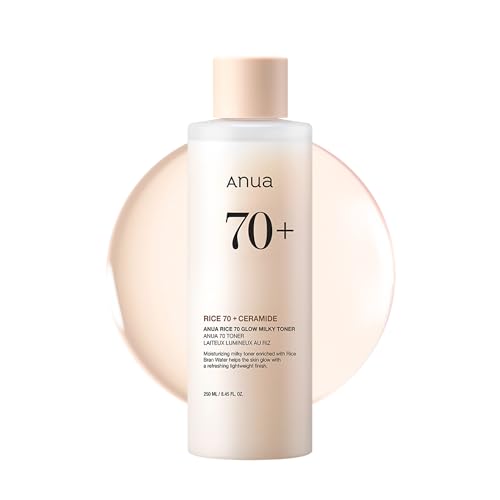
Apply Toner Right After Cleansing
Toner works best when applied immediately after washing your face because damp skin absorbs hydration more effectively.
Modern toners are less about stripping the skin and more about hydration, balancing, and prepping your skin for serums.
Pat it in gently with your hands instead of aggressively rubbing with a cotton pad.
Hydrating toners can make the rest of your routine feel smoother and more effective.
Use Essence Before Serums
Essences are lightweight hydration boosters that prep the skin and help improve absorption of products layered afterward.
They’re especially popular in Korean skincare routines because they add hydration without heaviness.
If your skin feels dehydrated or dull, adding an essence can help give your skin that healthy glow.
Think of it as the bridge between toner and treatment products.
Layer Water-Based Serums Before Oil-Based Ones
This is one of the biggest skincare layering rules people miss.
Water-based serums absorb quickly into the skin, while oil-based products create a barrier that locks moisture in.
If you apply oils too early, your lighter serums may struggle to penetrate the skin.
Always start with lightweight textures first.
![SKIN1004 [Hudson's Pick] Centella Ampoule, Korean Face Serum, 3.38 fl.oz | Soothing, Hydrating Face Serum with Centella Asiatica for Skin Barrier and Moisturizing Care, Lightweight, Korean Skin Care](https://m.media-amazon.com/images/I/31Kxg2RcOgL.jpg)
Apply Vitamin C In The Morning
Vitamin C works incredibly well during the day because it helps protect your skin from environmental stressors and brightens uneven skin tone.
It also pairs really well with sunscreen for extra antioxidant protection.
Apply it after toner but before moisturizer and SPF.
If your skin is sensitive, start with a lower concentration a few times a week.
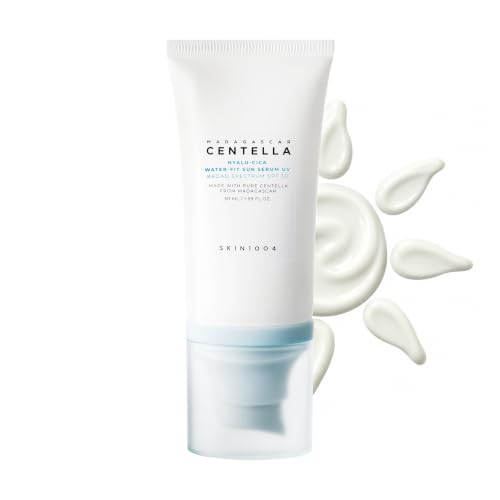
Never Skip Sunscreen As Your Final Morning Step
If you only follow one skincare rule, honestly, let it be this one.
Sunscreen protects your skin from UV damage, dark spots, premature aging, and irritation.
Even the best skincare products won’t help much if your skin is constantly exposed to sun damage without protection.
Always apply SPF last in your morning routine.
Let Each Layer Absorb Before Adding The Next
You don’t need to wait ten minutes between products, but giving each layer around 30 seconds to absorb can help prevent pilling and irritation.
Rushing through your routine may cause products to mix unevenly on the skin.
This is especially important when layering active ingredients.
Your skincare should feel layered, not sticky or overloaded.
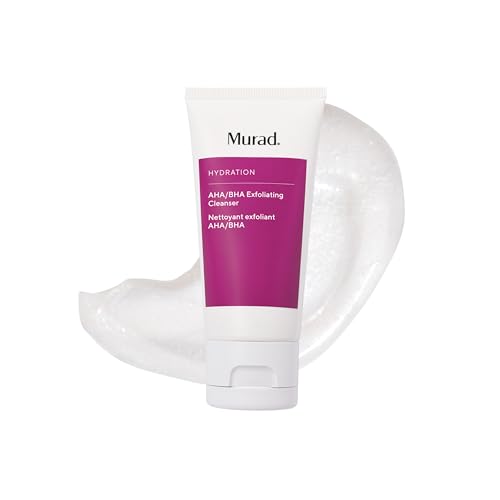
Use Exfoliating Acids At Night
AHAs and BHAs can make your skin more sensitive to sunlight, which is why nighttime is usually the best time to use them.
Exfoliating acids help remove dead skin cells, unclog pores, and improve texture over time.
Start slowly if you’re new to chemical exfoliation because overdoing it can damage your skin barrier.
Two to three times a week is enough for most people.
Don’t Mix Retinol With Strong Acids Immediately
Retinol and exfoliating acids are both powerful ingredients, but combining them incorrectly can seriously irritate your skin.
If you’re using both, try alternating nights instead of layering them together.
Sensitive skin especially benefits from separating active ingredients.
Your skin barrier will thank you later.
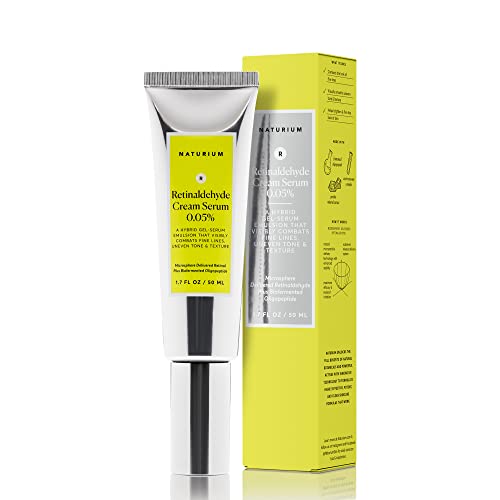
Apply Retinol Before Moisturizer
Retinol typically works best when applied directly onto dry skin before moisturizer.
Moisturizer can then help reduce irritation and lock hydration in afterward.
If your skin is super sensitive, you can try the “sandwich method” by applying moisturizer before and after retinol.
This helps buffer the intensity while still allowing results.
Use The Sandwich Method For Sensitive Skin
The sandwich method has become so popular for a reason.
Apply a thin layer of moisturizer, then retinol, then another layer of moisturizer.
This technique helps minimize dryness, peeling, and irritation without completely reducing retinol’s effectiveness.
It’s honestly a game-changer for beginners.
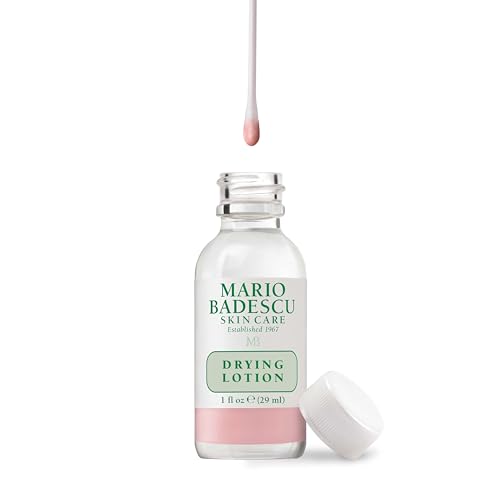
Spot Treatments Go Before Moisturizer
Acne treatments work best when they directly contact the skin instead of sitting on top of a thick cream.
Apply spot treatments after serums but before moisturizer.
This gives active ingredients a better chance to penetrate clogged pores.
Just avoid over-applying because that can cause dryness and irritation.
Facial Oils Should Usually Be Last
Facial oils are occlusive, meaning they help seal moisture into the skin.
Because of this, they should generally be one of the final steps in your nighttime routine.
Applying them too early can block lighter products from absorbing properly.
A few drops are usually enough.
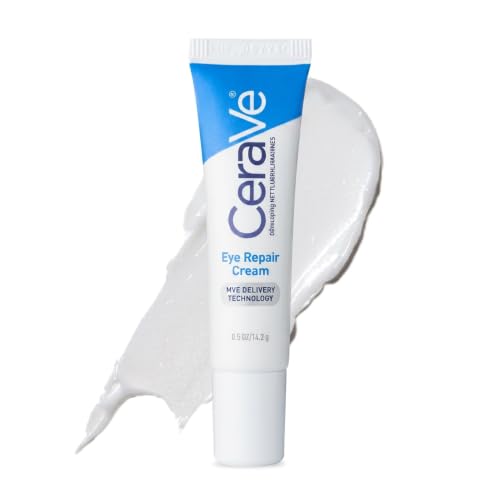
Eye Cream Goes Before Heavy Creams
Eye creams are usually lighter than moisturizers, so they should be applied first.
The skin around your eyes is thinner and more delicate, which means it benefits from targeted hydration.
Gently tap the product in instead of rubbing aggressively.
Consistency matters more than using a huge amount.
Don’t Overload Your Routine With Too Many Actives
Using every trending ingredient at once can honestly backfire fast.
Too many active ingredients can weaken your skin barrier and lead to redness, dryness, or breakouts.
Focus on a few targeted ingredients instead of layering everything together.
Simpler routines are often way more effective.
Hydrating Layers Work Better On Damp Skin
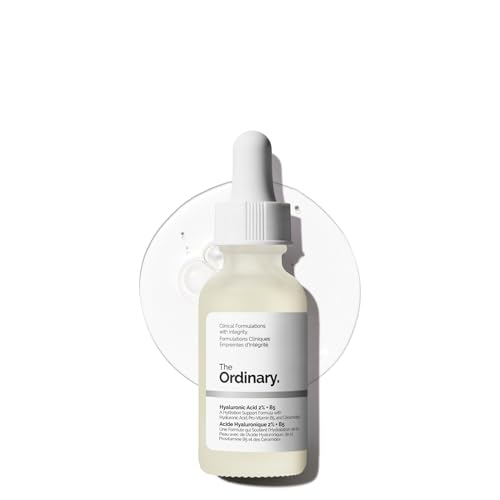
Humectants like hyaluronic acid pull moisture into the skin.
They work best when your skin is slightly damp.
Applying them to completely dry skin can sometimes leave your face feeling tighter instead of hydrated.
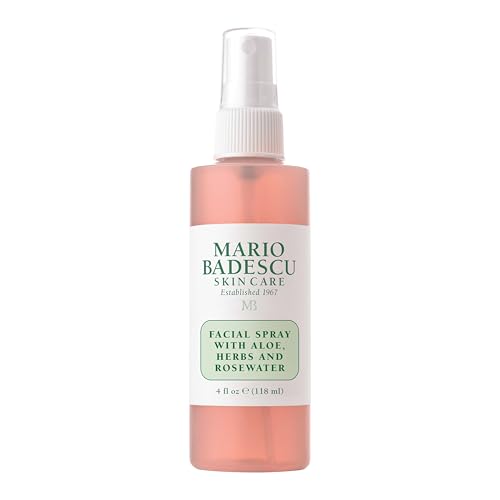
A quick facial mist or toner before serums can help maximize hydration.
Use Different Routines For Morning And Night
Your skin has different needs throughout the day.
Morning skincare should focus on protection and hydration, while nighttime routines are better for repair and treatment.
Keeping routines separate can help prevent irritation and unnecessary layering.
It also makes your skincare routine feel less overwhelming.
Introduce New Products Slowly
Adding too many new products at once makes it almost impossible to know what’s helping or causing irritation.
Introduce one product at a time and give your skin at least a week or two to adjust.
This is especially important for retinol, acids, and strong actives.
Slow and steady really does work better here.

Moisturizer Helps Seal Everything In
Moisturizer is what helps lock hydration and active ingredients into the skin.
Even oily skin types still need moisturizer because dehydration can actually increase oil production.
Choose a formula that matches your skin type and climate.
Gel creams work well for oily skin, while richer creams are better for dry skin.
Adjust Your Routine Based On Your Skin Type
Dry skin usually benefits from richer creams and extra hydrating layers, while oily skin often prefers lightweight textures.
Sensitive skin should keep routines simple and avoid over-exfoliating.
Combination skin may need different products in different areas of the face.
Your skincare routine should honestly fit your skin instead of following every trend online.
Learning how to layer skincare products correctly can completely transform your routine and help your products work the way they’re actually supposed to.
Once you understand the proper order, ingredient combinations, and how to separate stronger actives, skincare starts feeling much less overwhelming.
The key is keeping your routine consistent, paying attention to your skin’s needs, and avoiding the temptation to use too many products at once.
Honestly, healthy, glowing skin is usually more about smart layering and consistency than following every skincare trend online.
The best skincare routine is one that works for your lifestyle and your specific skin type.
Whether your goal is hydration, acne control, brightening, or anti-aging, applying products in the right sequence can make a huge difference in your results.
Start simple, build gradually, and focus on supporting your skin barrier instead of overcomplicating your routine.
With the right layering method, your skin can look healthier, smoother, and more balanced over time.
FAQs
What is the correct order to layer skincare products?
The general rule is to apply products from the thinnest to the thickest texture. Start with cleanser and toner, then serums, moisturizers, oils, and sunscreen during the day.
Should I apply retinol before or after moisturizer?
Retinol is usually applied before moisturizer, but sensitive skin may benefit from using the sandwich method with moisturizer before and after retinol.
Can I use vitamin C and retinol together?
Most people use vitamin C in the morning and retinol at night to reduce irritation while still getting the benefits of both ingredients.
How long should I wait between skincare layers?
You only need around 30 seconds to one minute between layers. The goal is to let products absorb slightly before applying the next step.
Do I really need sunscreen every day?
Yes, daily sunscreen is one of the most important skincare steps for preventing premature aging, dark spots, and sun damage.
This post was all about How To Layer Skincare Products.
If you love this post, you may also love: