19+ Easy Ways To Remove Dandruff At Home For A Healthy Scalp
This site contains affiliate links. I may earn a small commission, at no extra cost to you.
This post is all about How To Remove Dandruff At Home.
Dandruff can be frustrating to deal with, especially when it keeps coming back no matter what products you try.
The good news is that learning how to remove dandruff at home is actually more about consistency and simple scalp-friendly habits than expensive treatments.
With the right mix of natural remedies, proper cleansing, and a few lifestyle tweaks, you can seriously improve your scalp health over time and reduce those stubborn flakes.
For more tips and tricks, follow us on Instagram: @fromlemonstoluxury
What’s Really Going On With Dandruff
Dandruff is basically your scalp’s way of reacting to imbalance—whether that’s excess oil, dryness, product buildup, or even a mild yeast overgrowth.
It’s super common, and it doesn’t automatically mean your scalp is “dirty” or unhealthy.
In most cases, it’s manageable with the right routine and a few targeted ingredients like antifungal or soothing natural remedies.
The key is consistency, not intensity—you don’t need to overload your scalp with too many treatments at once.
Once you understand your scalp type, choosing the right method becomes way easier and way more effective.
- Dandruff is usually caused by an imbalance in the scalp, not just “dirty hair.”
- Excess oil production can feed yeast on the scalp, leading to flaking and irritation
- A dry scalp can also trigger flakes that look similar to dandruff
- Product buildup from gels, sprays, and dry shampoo can clog the scalp and worsen symptoms
- Sensitivity to certain hair products may cause itching and flaking
- A mild yeast-like fungus (Malassezia) is often linked to dandruff flare-ups
- Weather changes, especially cold or dry air, can make symptoms worse
- Stress and hormonal changes can increase scalp oil production and irritation
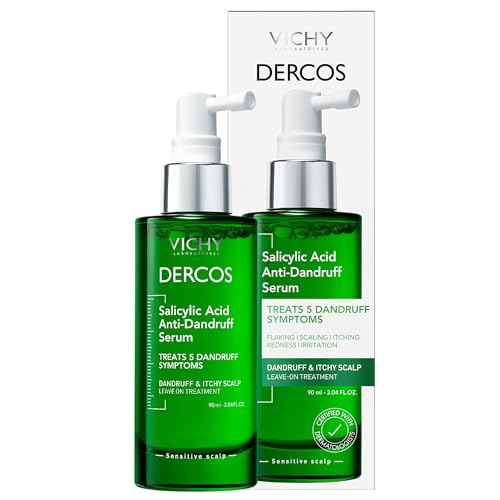
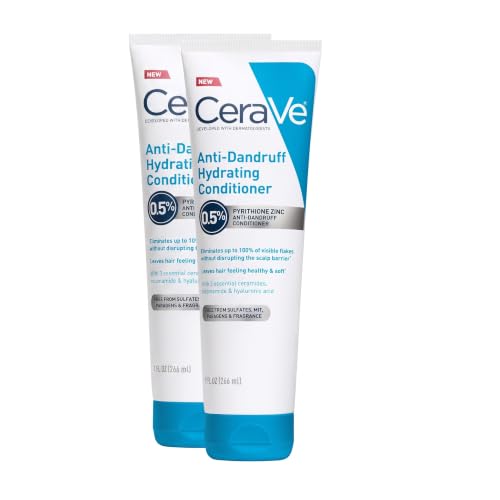
Use an Anti-Dandruff Shampoo Regularly
This is the most straightforward fix, and honestly, it’s a staple you shouldn’t skip.
Look for ingredients like zinc pyrithione, ketoconazole, or selenium sulfide.
These help control the yeast that often contributes to flakes.
Stick with it consistently for the best results, rather than switching products too often.

Try Tea Tree Oil for Natural Antifungal Support
Tea tree oil is popular for a reason—it has natural antifungal and antibacterial properties.
Mix a few drops with a carrier oil or your shampoo before applying.
It helps calm irritation and reduce flaking over time.
Just don’t use it directly on your scalp without dilution.
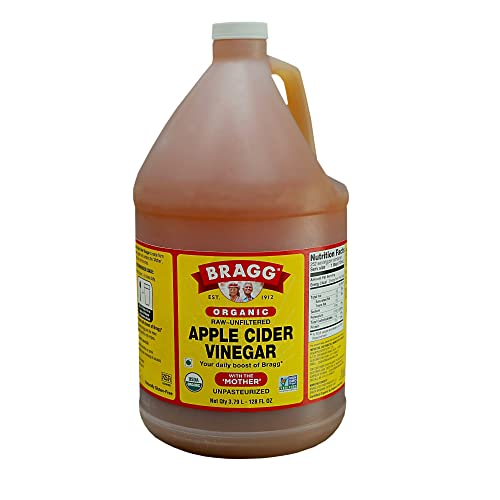
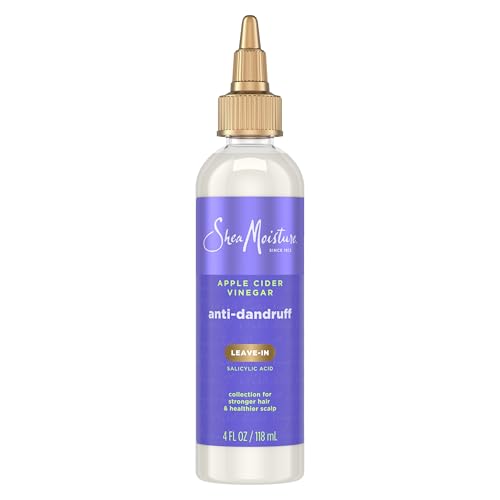
Apple Cider Vinegar Rinse for Balance
Apple cider vinegar can help restore your scalp’s pH and reduce buildup.
Mix it with water and use it as a rinse after shampooing.
It can help reduce itchiness and make your scalp feel cleaner.
Use it once or twice a week, not daily.
Keep Your Scalp Hydrated
Dry scalp can sometimes mimic dandruff or make it worse.
Lightweight oils like coconut or jojoba oil can help lock in moisture.
Apply sparingly so you don’t clog pores or create buildup.
A balanced scalp is way less likely to flake.
Don’t Overwash Your Hair
Washing too often can strip your scalp of natural oils.
This can trigger even more flaking and irritation.
Try to find a washing schedule that keeps your scalp clean but not dry.
For most people, 2–3 times a week works well.
Exfoliate Your Scalp Gently
Just like your skin, your scalp benefits from occasional exfoliation.
You can use a gentle scalp scrub or a soft brush.
This helps remove dead skin and product buildup.
Don’t overdo it—once a week is usually enough.
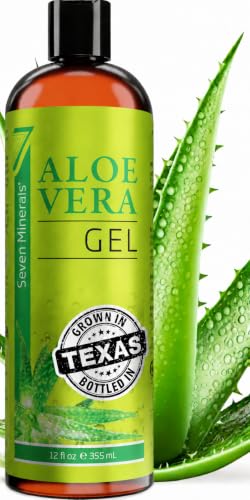
Aloe Vera for Soothing Relief
Aloe vera is super calming for irritated or itchy scalps.
Apply fresh gel directly and leave it for 20–30 minutes before washing.
It helps reduce redness and flaking naturally.
Plus, it feels refreshing on the scalp.
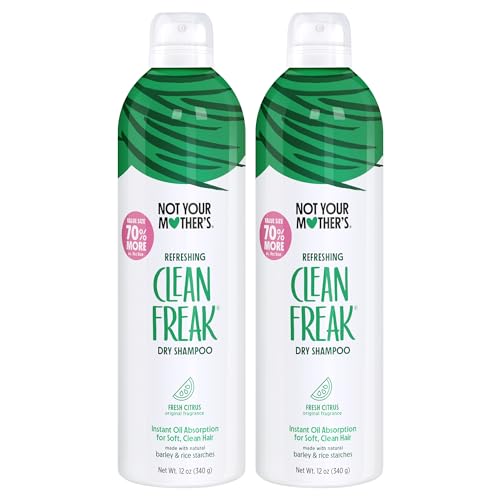
Limit Heavy Hair Products
Too much gel, wax, or dry shampoo can build up quickly.
That buildup can worsen dandruff symptoms.
Try simplifying your styling routine when your scalp is acting up.
Less product often equals a healthier scalp.
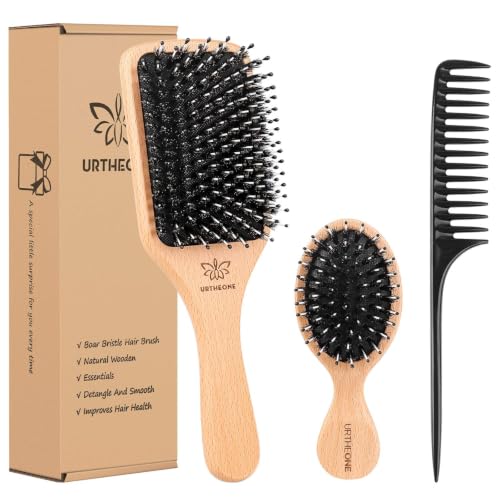
Wash Your Brushes and Combs
This one gets overlooked a lot, but it matters.
Dirty tools can transfer oil, flakes, and bacteria back to your scalp.
Clean them regularly with warm water and mild shampoo.
It’s a small habit that makes a noticeable difference.
Eat a Balanced Diet
Your scalp health reflects what’s going on inside your body, too.
Foods rich in omega-3s, zinc, and vitamins can help reduce inflammation.
Think fish, nuts, seeds, and leafy greens.
A healthy diet supports long-term scalp balance.
Stay Hydrated
Dehydration can contribute to dryness and scalp irritation.
Drinking enough water helps maintain skin and scalp moisture.
It’s a simple fix that people often underestimate.
Think of it as internal skincare for your scalp.
Reduce Stress Levels
Stress can actually trigger or worsen dandruff for some people.
Try light exercise, better sleep, or simple relaxation techniques.
Even small changes can help your scalp recover faster.
Your body and scalp are more connected than you think.
Use Lemon Juice Carefully
Lemon juice has antifungal properties, but it’s strong, so use it carefully.
Mix it with water before applying to your scalp.
It can help reduce oiliness and flaking.
Avoid using it on sensitive or broken skin.
Try Baking Soda as a Gentle Cleanser
Baking soda can help remove buildup and excess oil.
Massage a small amount into your scalp and rinse thoroughly.
It’s best used occasionally, not daily.
Overuse can dry out your scalp, so balance is key.
Avoid Hot Water Showers
Hot water feels relaxing, but it can strip your scalp’s natural oils.
This often leads to dryness and more flakes.
Stick to lukewarm water when washing your hair.
Your scalp will thank you later.
Massage Your Scalp Regularly
Scalp massages improve blood circulation and support healthy hair growth.
Use your fingertips and gentle circular motions.
You can do this with or without oil.
It also helps reduce tension, which is a nice bonus.
Use Medicated Oils When Needed
If natural remedies aren’t enough, medicated oils can help target stubborn dandruff.
Look for formulas with antifungal ingredients.
Apply consistently for the best results.
They can be a game-changer for persistent flakes.

Avoid Scratching Your Scalp
Scratching might feel relieving, but it actually makes irritation worse.
It can also damage your scalp and lead to more flaking.
Instead, try soothing treatments when it gets itchy.
Breaking the scratch cycle is important for healing.
Dry Your Hair Properly
Leaving your scalp damp for too long can encourage fungal growth.
Make sure your hair is properly dried after washing.
Use a towel or low-heat dryer if needed.
A dry scalp environment helps reduce dandruff flare-ups.
Getting rid of dandruff at home is absolutely doable once you understand what your scalp actually needs.
It’s not about using every remedy at once, but about finding a simple, consistent routine that keeps your scalp balanced, clean, and calm.
Whether you rely on natural treatments like aloe vera and tea tree oil or stick to medicated shampoos, the key is patience and regular care.
Over time, these small habits add up to a healthier scalp and far fewer flakes—without overcomplicating your routine.
FAQ Section
How long does it take to get rid of dandruff?
It depends on your scalp condition and consistency. Most people see improvement within 1–3 weeks of regular care. Severe cases may take longer and require medicated treatment.
Can dandruff go away permanently?
It can be controlled very effectively, but it may return if triggers like stress or product buildup come back. Think of it as management rather than a one-time cure.
Does poor hygiene cause dandruff?
Not necessarily. Dandruff is more about scalp imbalance than cleanliness. Even people with great hygiene routines can experience it.
Should I oil my scalp if I have dandruff?
It depends on your scalp type. Light oils can help dry scalps, but oily scalps should be careful to avoid buildup. Always use in moderation.
When should I see a dermatologist?
If dandruff is severe, painful, or not improving after consistent home care, it’s best to consult a dermatologist. You may need stronger medicated treatment.
This post was all about How To Remove Dandruff At Home.
If you love this post, you may also love: