15+ Simple Ways On How To Prevent Cavities For Better Oral Health
This site contains affiliate links. I may earn a small commission, at no extra cost to you.
This post is all about How to Prevent Cavities.
How to prevent cavities is one of the most important things you can learn when it comes to maintaining a healthy smile.
Cavities can develop slowly over time, often without noticeable symptoms until the damage becomes more serious.
Fortunately, preventing tooth decay is usually much easier and less expensive than treating it.
By adopting a few simple daily habits and making smarter choices for your oral health, you can significantly reduce your risk of cavities.
These practical tips will help you keep your teeth strong, healthy, and protected for years to come.
For more tips and tricks, follow us on Instagram: @fromlemonstoluxury
What Causes Cavities?
Cavities occur when bacteria in the mouth feed on sugars and starches from the foods and drinks you consume.
These bacteria produce acids that gradually wear away the protective enamel covering your teeth.
As enamel weakens, small holes can begin to form, eventually leading to cavities if left untreated.
Understanding the common causes of tooth decay can help you make better decisions about your daily oral care routine.
The more proactive you are, the easier it becomes to protect your teeth from damage.
Common causes of cavities include:
- Poor brushing and flossing habits
- Frequent consumption of sugary foods and beverages
- Plaque buildup on teeth
- Dry mouth and reduced saliva production
- Infrequent dental visits
- Lack of fluoride exposure
- Frequent snacking throughout the day
- Poor overall oral hygiene habits
Brush Your Teeth Twice a Day
Brushing your teeth twice a day is one of the easiest ways to prevent cavities.
It removes plaque, food particles, and bacteria that can build up on your teeth throughout the day.
Morning brushing helps freshen your breath, while nighttime brushing removes debris before you sleep.
Staying consistent with this habit can significantly reduce your risk of tooth decay.
It’s a simple routine that provides long-term benefits for your oral health.
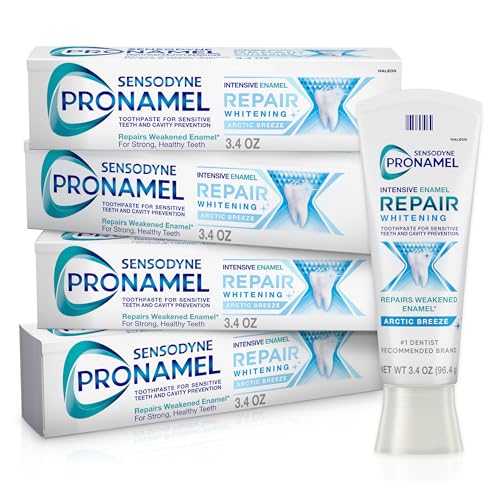
Use Fluoride Toothpaste
Fluoride toothpaste helps strengthen your tooth enamel and makes it more resistant to acid attacks.
Every time you brush, fluoride works to replace minerals that may have been lost throughout the day.
This extra layer of protection can help stop cavities before they start.
Most dentists recommend using fluoride toothpaste as part of your daily routine.
It’s one of the simplest ways to support stronger and healthier teeth.

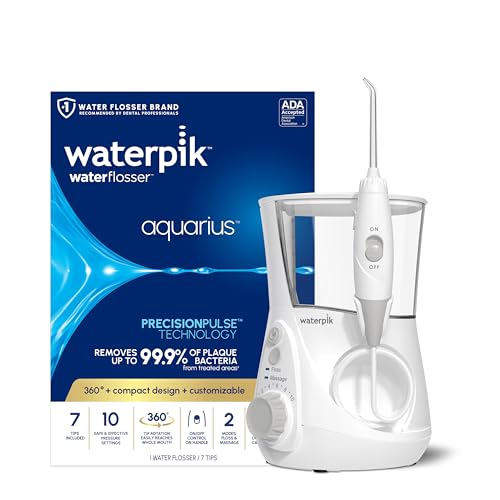
Floss Every Day
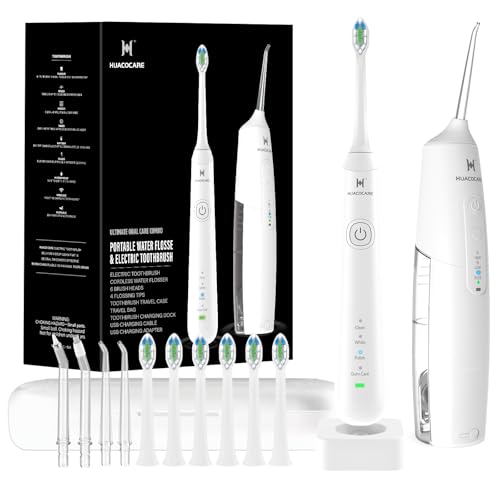
Flossing removes plaque and food particles from areas your toothbrush cannot easily reach.
These tight spaces between your teeth are common places for cavities to develop.
Daily flossing helps keep bacteria from accumulating and causing damage.
It also supports healthier gums and reduces inflammation.
Making flossing a daily habit can have a noticeable impact on your overall oral health.
Limit Sugary Snacks
Sugary snacks provide fuel for the bacteria that cause cavities.
Every time you eat sweets, bacteria produce acids that attack your tooth enamel.
Frequent snacking can keep your teeth exposed to these acids throughout the day.
Reducing your sugar intake helps minimize the risk of enamel erosion.
Choosing healthier snack options can make a big difference over time.
Drink More Water
Water helps wash away food particles, bacteria, and acids that can contribute to tooth decay.
Staying hydrated also supports saliva production, which plays an important role in protecting your teeth.
Saliva helps neutralize acids and naturally cleans your mouth.
Drinking water after meals can be especially beneficial.
It’s one of the easiest habits to add to your daily routine.
Avoid Sugary Drinks
Soft drinks, sports drinks, and sweetened beverages can increase your risk of cavities.
These drinks often contain large amounts of sugar and acids that weaken enamel.
Sipping them throughout the day prolongs your teeth’s exposure to harmful substances.
Replacing sugary beverages with water is a smart choice for your oral health.
Your teeth will thank you for making the switch.
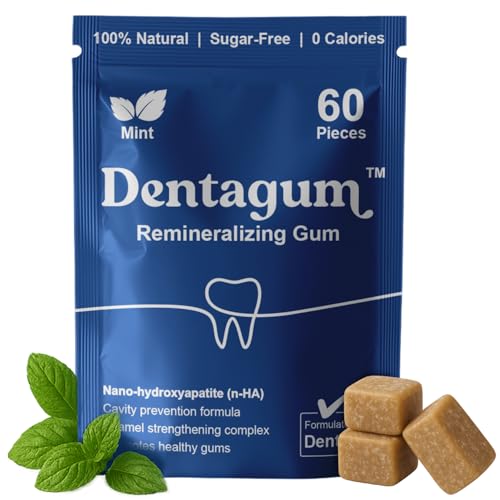
Chew Sugar-Free Gum
Chewing sugar-free gum after meals can help stimulate saliva production.
Increased saliva helps rinse away food particles and neutralize cavity-causing acids.
Some sugar-free gums also contain ingredients that support enamel health.
This can be especially helpful when brushing isn’t immediately possible.
It’s a convenient habit that can provide additional protection throughout the day.
Eat Tooth-Friendly Foods
Certain foods can help support stronger teeth and healthier gums.
Dairy products, leafy greens, nuts, and crunchy fruits and vegetables are great options.
These foods often provide important nutrients like calcium and phosphorus that support enamel strength.
They can also help stimulate saliva production and naturally clean the teeth.
Including them regularly in your diet can benefit your overall oral health.
Replace Your Toothbrush Regularly
A worn-out toothbrush may not clean your teeth as effectively as a new one.
Dentists generally recommend replacing your toothbrush every three to four months.
Frayed bristles can struggle to remove plaque and debris properly.
Switching to a fresh toothbrush helps maintain effective cleaning.
It’s a small change that can improve your daily oral hygiene routine.
Visit Your Dentist Regularly
Regular dental checkups are essential for preventing cavities and maintaining healthy teeth.
Dentists can identify early signs of decay before they become major problems.
Professional cleanings also remove plaque and tartar that cannot be eliminated through brushing alone.
Routine visits help keep your oral health on track.
Preventive care is often easier and more affordable than restorative treatments.
Get Professional Dental Cleanings
Even with excellent brushing and flossing habits, plaque can still accumulate in hard-to-reach areas.
Professional cleanings remove stubborn buildup that may contribute to cavities.
These appointments also allow your dental team to monitor changes in your oral health.
Regular cleanings can help prevent both tooth decay and gum disease.
Many people notice their teeth feel cleaner and healthier afterward.
Avoid Frequent Snacking
Constant snacking gives cavity-causing bacteria more opportunities to produce harmful acids.
Every time you eat, your teeth experience a brief acid attack.
Frequent snacking means your enamel has less time to recover between meals.
Reducing unnecessary snacks can help protect your teeth throughout the day.
Sticking to regular meals may be beneficial for both your oral health and overall wellness.
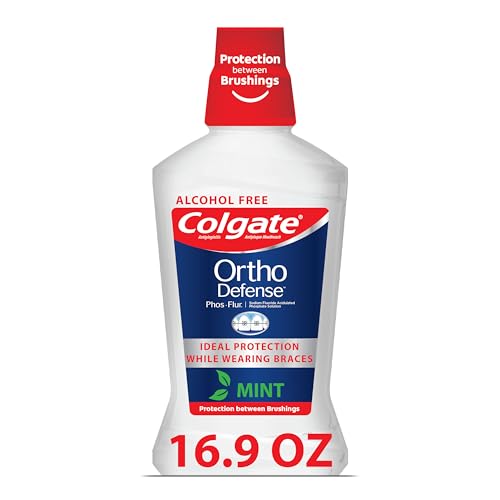
Use Mouthwash
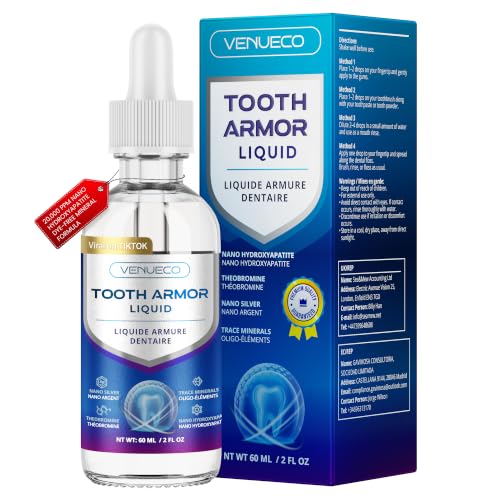
An antibacterial mouthwash can help reduce harmful bacteria in the mouth.
It reaches areas that brushing and flossing may sometimes miss.
Some mouthwashes also contain fluoride for additional cavity protection.
Using mouthwash as part of your oral care routine can provide extra support for healthy teeth and gums.
Just remember that it should complement brushing and flossing, not replace them.
Protect Your Teeth From Dry Mouth
Saliva is one of your mouth’s natural defenses against cavities.
When saliva production decreases, harmful bacteria and acids can build up more easily.
Drinking plenty of water and addressing causes of dry mouth can help maintain a healthier oral environment.
Some medications and health conditions may contribute to dryness.
If dry mouth is a frequent issue, it’s worth discussing with your dentist.
Teach Good Oral Hygiene Habits Early
Developing strong oral hygiene habits from a young age can lead to healthier teeth throughout life.
Teaching children proper brushing and flossing techniques helps create lifelong routines.
Positive habits established early are often easier to maintain as adults.
Encouraging regular dental visits also promotes better long-term oral health.
Prevention truly starts with consistency and education.
Learning how to prevent cavities doesn’t have to be overwhelming.
Simple habits like brushing, flossing, limiting sugar, and visiting your dentist regularly can go a long way toward protecting your teeth.
The key is staying consistent and making oral health a priority every day.
Small changes can add up to significant improvements over time.
By following these practical tips, you can reduce your risk of cavities and enjoy a healthier, more confident smile.
Frequently Asked Questions (FAQ)
1. What is the fastest way to prevent cavities?
The fastest way to prevent cavities is to maintain consistent oral hygiene, especially brushing twice a day with fluoride toothpaste and flossing daily. These two habits immediately reduce plaque buildup and oral bacteria. Cutting back on sugar also helps slow down acid production that damages enamel. While results aren’t instant, consistency quickly lowers your risk over time. Adding regular dental checkups further strengthens prevention.
2. Can cavities go away on their own?
Early-stage cavities, also known as demineralization, may be reversed with proper care and fluoride exposure. However, once a cavity forms a hole in the enamel, it cannot heal on its own. At that stage, dental treatment is required to prevent it from worsening. That’s why early prevention is so important. Catching issues early can save you from more serious dental procedures later.
3. Do adults still get cavities?
Yes, adults can still get cavities, even if they had healthy teeth as children. In fact, cavity risk can increase with age due to factors like gum recession, dry mouth, and lifestyle habits. Adults often consume more coffee, snacks, and sugary drinks, which can also contribute. Regular dental care becomes even more important over time. Good habits can significantly reduce the risk at any age.
4. Is mouthwash enough to prevent cavities?
Mouthwash alone is not enough to prevent cavities. While it helps reduce bacteria and freshen breath, it cannot remove plaque the way brushing and flossing do. It should be used as a supporting step in a complete oral care routine. The most effective prevention comes from combining brushing, flossing, and regular dental visits. Think of mouthwash as an extra layer of protection, not the main defense.
5. How often should I visit the dentist?
Most people should visit the dentist every six months for a checkup and cleaning. However, some individuals with a higher risk of cavities may need more frequent visits. Regular dental exams help detect early signs of decay before they become serious problems. Professional cleanings also remove tartar that cannot be removed at home. Your dentist can recommend the best schedule based on your oral health needs.
This post was all about How to Prevent Cavities.
If you love this post, you may also love: