19+ Effective Tips To Repair Hair Breakage Naturally And Fast
This site contains affiliate links. I may earn a small commission, at no extra cost to you.
This post is all about Hair Breakage.
Hair breakage can be super frustrating, especially when you’re trying to grow out your hair or maintain sleek, healthy strands.
The good news?
You don’t need expensive salon treatments to fix it.
With natural remedies, smart daily habits, and gentle styling, you can start repairing extremely damaged hair and dry damaged hair right at home.
This guide covers practical tips that are easy to fit into your routine and will help your hair look stronger, shinier, and healthier.
By the end, you’ll feel confident caring for damaged hair without stressing over every broken strand.
For more tips and tricks, follow us on Instagram: @fromlemonstoluxury
Why Caring for Your Hair Matters
Broken hair and hair breakage aren’t just about appearance—they reflect the health of your hair from the inside out.
Understanding how to stop hair breakage starts with knowing what’s causing it: excessive heat, harsh chemicals, lack of moisture, or even nutritional gaps.
Incorporating hair breakage remedies like protein masks, hydrating oils, and scalp care routines helps rebuild your strands naturally.
Once you learn how to fix damaged hair properly, maintaining it becomes way easier, and damaged hair hairstyles actually start looking intentional instead of messy.
Here are some key things to know:
- Hair breakage happens when strands become weak, brittle, or dry.
- Causes include heat styling, chemical treatments, poor diet, and harsh brushing.
- Repairing hair naturally focuses on moisture, protein, and scalp health.
- Consistent care, protective styling, and proper nutrients reduce future breakage.
- Small changes in daily routines can make a big difference in caring for damaged hair.
Use Nourishing Oils
Oils like argan, coconut, and jojoba are honestly lifesavers for dry, damaged hair.
Massaging a few drops into your scalp and along your strands a couple of times a week boosts circulation and helps repair broken hair.
Hair oils lock in moisture, smooth the cuticle, and reduce friction that leads to hair breakage.
Plus, your hair will feel soft, shiny, and stronger after a few consistent applications.
Using oils regularly should definitely be a staple in your hair care routine.
Try Protein-Rich Hair Masks
Protein-rich masks are essential for extremely damaged hair because they fill in weak spots along the hair shaft. D
IY options like eggs, yogurt, or store-bought masks for damaged hair provide the protein your strands need.
Balance is key—too much protein can make hair stiff, so alternate with moisturizing treatments.
Regular use can help reduce split ends and broken hair while improving elasticity.
Protein masks are one of the most effective hair breakage remedies you can do at home.

Avoid Excessive Heat
Heat styling is one of the biggest reasons for dry, damaged hair and hair breakage.
Flat irons, curling wands, and blow dryers should be used sparingly and always with a heat protectant spray.
Over time, excessive heat weakens strands and makes them prone to breaking.
Even occasional heat styling can be safe if you lower the temperature and prep your hair properly.
Learning how to stop hair breakage means giving your strands a break from extreme heat.
Gentle Detangling
Brushing or combing aggressively is a huge contributor to broken hair.
Always use a wide-tooth comb or a detangling brush and start from the ends, slowly working your way up to the roots.
Detangling wet hair should be done carefully because it’s more fragile.
By taking your time, you reduce hair breakage and maintain stronger strands.
This small habit is an essential part of caring for damaged hair.

Trim Regularly
Even if you’re trying to grow your hair, regular trims prevent split ends from traveling up the hair shaft.
Getting rid of dry, damaged hair tips every 6–8 weeks keeps strands looking healthy and thick.
Trimming also makes damaged hair easier to manage.
Without trims, broken hair can worsen, making hair look thinner and frizzier.
Think of trimming as a simple but effective hair breakage remedy.
Opt for Protective Hairstyles
Protective styles like loose braids, buns, and low ponytails help reduce tension and friction that lead to broken hair.
Avoid tight hairstyles that pull at the roots, which can worsen hair breakage.
These styles not only protect your strands but also make damaged hair hairstyles look intentional and stylish.
Protective styling is especially useful for extremely damaged hair in need of recovery.
With regular practice, it becomes a go-to strategy for caring for damaged hair.
Scalp Care is Essential
A healthy scalp is the foundation for strong, resilient hair.
Massaging oils or gentle scrubs into the scalp increases blood flow and promotes growth.
Scalp care can also help prevent hair problems like thinning or excessive breakage.
By making scalp massages part of your routine, you support stronger strands from the root up.
It’s a simple step that complements your hair breakage remedies perfectly.
Choose Sulfate-Free Shampoos
Sulfates can strip your hair of natural oils, leaving it dry and prone to breakage.
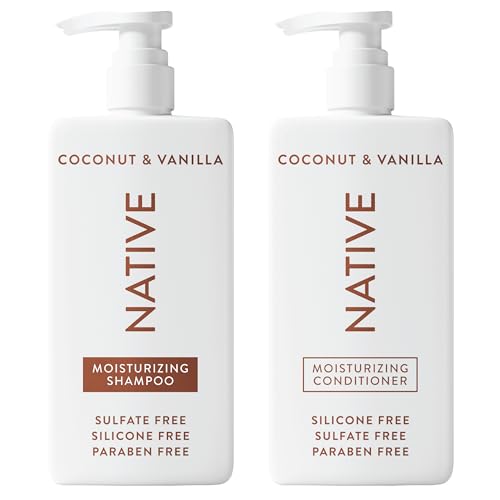
Switching to a sulfate-free shampoo helps maintain moisture and reduces the risk of hair problems.
Gentle shampoos are especially important for extremely damaged hair or dry damaged hair.
Consistent use keeps your strands soft and less likely to snap.
Pair it with a nourishing conditioner for best results.
Condition Deeply and Often
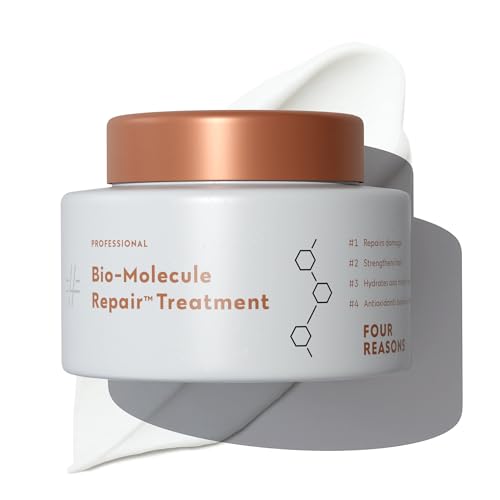
Deep conditioning treatments are essential for repairing and hydrating hair.
Let a rich conditioner soak for 20–30 minutes at least once a week to lock in moisture and strengthen strands.
This step helps prevent hair breakage and improves elasticity.
Regular conditioning keeps your hair soft, shiny, and more manageable.
Deep conditioning is one of the most reliable hair breakage remedies you can consistently do at home.
Avoid Overwashing
Washing hair too frequently strips natural oils, leaving it dry and brittle.
Limit washing to 2–3 times a week and always follow up with conditioner.
This approach prevents hair problems like dry, damaged hair, and broken hair.
Less washing means more natural moisture to protect your strands.
Over time, this small adjustment makes a noticeable difference in hair strength.
Eat a Balanced Diet
Healthy hair starts from within.
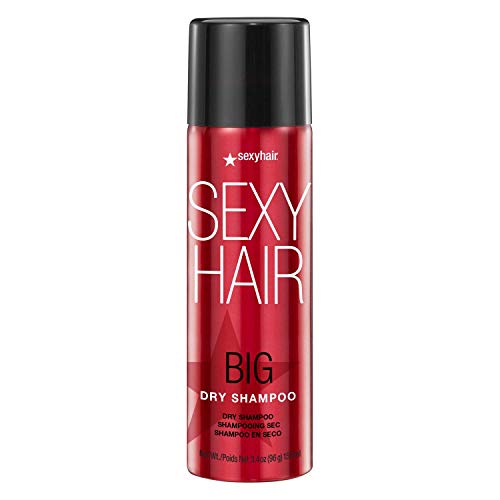
Proteins, vitamins A, C, D, E, and minerals like zinc and iron help your hair grow stronger and reduce breakage.
A nutrient-rich diet complements your topical hair breakage remedies for maximum effect.
Think of it as an internal treatment for extremely damaged hair.
Proper nutrition is one of the simplest ways to care for damaged hair naturally.
Sleep on Silk
Cotton pillowcases create friction that can worsen broken hair overnight.
Switching to silk or satin pillowcases keeps hair smooth and protects strands.
This small change can reduce hair breakage and frizz while keeping damaged hair hairstyles intact.
You’ll wake up with softer, more manageable hair.
Over time, it’s a surprisingly effective habit for caring for damaged hair.

Avoid Chemical Overload
Frequent coloring, perming, or relaxing weakens hair and leads to breakage.
Give your hair breaks between treatments and always use nourishing aftercare products.
Limiting chemical exposure protects strands and helps maintain stronger hair.
This approach is especially important if you have extremely damaged hair.
Less chemical stress equals healthier, more resilient hair.
Hydrate Your Hair
Keeping hair hydrated is key to dry, damaged hair.
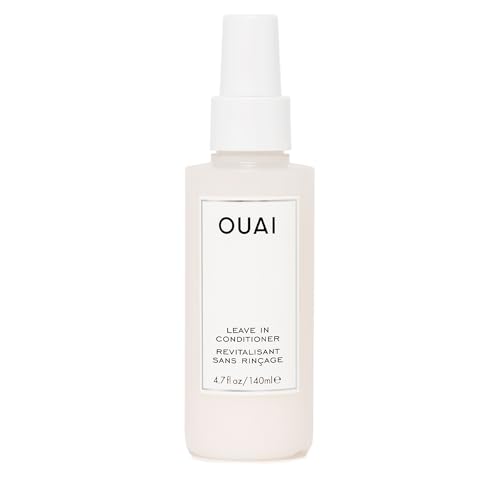
Use a water spray or leave-in conditioner throughout the day to maintain moisture.
Hydration prevents strands from becoming brittle and breaking.
Moisturized hair also looks shinier and more vibrant.
It’s one of the easiest hair breakage remedies you can integrate into your daily routine.
Cold Water Rinse
Rinsing hair with cool water after washing helps seal the cuticle and lock in moisture.
It also reduces frizz and strengthens your strands over time.
Cold water rinses are especially effective for damaged hair hairstyles that need smooth, glossy results.
This simple step can make a noticeable difference in overall hair health.
Consistency is key to seeing the benefits.
Limit Sun and Chlorine Exposure
UV rays and pool chemicals dry out hair, causing breakage and dullness.
Protect your hair with UV sprays, hats, or by rinsing after swimming.
Limiting exposure prevents further damage and keeps hair strong.
This is particularly important for extremely damaged hair needing recovery.
Simple prevention steps can go a long way in caring for damaged hair.

Use Hair-Friendly Accessories
Elastic bands with metal pieces or rough textures can snap hair and worsen hair breakage.
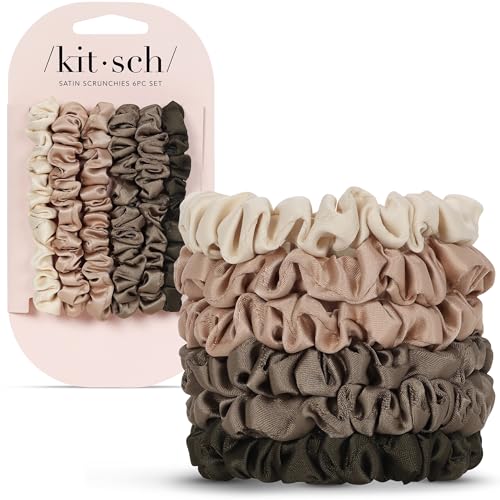
Opt for soft scrunchies or spiral hair ties to protect strands.
This small switch keeps damaged hair hairstyles intact while preventing new broken hair.
Accessories matter more than you think in maintaining hair health.
Gentle hair care includes thinking about what touches your strands daily.
Stay Consistent
Repairing hair takes time, so consistency is crucial.
Stick to natural treatments, protective styles, and nourishing products.
Small, regular habits are the most effective hair breakage remedies.
Over time, your hair will become stronger, shinier, and healthier.
Patience and routine make all the difference.
Listen to Your Hair
Pay attention to how your hair responds to different treatments.
Adjust products, styling, and routines as needed for optimal results.
Every head of hair is unique, so caring for damaged hair is personal.
Being mindful prevents new broken hair and supports long-term strength.
Listening to your hair ensures your efforts are actually working.
Hair breakage can feel discouraging, but with the right care, it’s totally manageable.
By combining natural remedies, smart daily habits, and gentle styling, you can repair extremely damaged hair and dry damaged hair while preventing future breakage.
Small adjustments like scalp care, protective hairstyles, and balanced nutrition make a huge difference over time.
Caring for damaged hair isn’t about perfection—it’s about consistency, listening to your hair, and using practical strategies that work for you.
Stick with these tips, and you’ll notice stronger, healthier, and more beautiful hair in weeks.
FAQ
Q: How quickly can I see results in my hair?
A: With consistent care and natural treatments, many notice stronger, shinier strands within 2–4 weeks. Extremely damaged hair may take longer, but progress is visible.
Q: Can I fix hair breakage without cutting my hair?
A: Yes! Proper oils, masks, gentle styling, and scalp care can repair dry, damaged hair, but trimming split ends helps prevent further breakage.
Q: Are DIY masks effective?
A: Absolutely. Ingredients like eggs, avocado, and coconut oil provide protein and moisture, helping to naturally address hair breakage and other hair problems.
Q: Which hairstyles prevent breakage best?
A: Protective styles like loose braids, low buns, or ponytails reduce tension and friction, making them ideal for caring for damaged hair.
Q: Do diet and hydration really affect hair strength?
A: 100%. A nutrient-rich diet and proper hydration support hair growth from within, complementing your external remedies for hair breakage.
This post was all about Hair Breakage.
If you love this post, you may also love: