15+ Safe Treatments To Get Rid Of Ingrown Hairs
This site contains affiliate links. I may earn a small commission, at no extra cost to you.
This post is all about Ingrown Hairs.
Ingrown hairs are one of those frustrating skin issues that can pop up anywhere and instantly ruin that smooth-skin feeling.
They often show up after shaving, waxing, or hair removal routines and can leave behind red, painful bumps that take forever to calm down.
Whether you’re dealing with an ingrown hair from waxing, stubborn leg bumps, or irritation in sensitive areas, the good news is that there are safe ways to treat them.
The key is using gentle methods that help the trapped hair release naturally instead of digging at the skin.
With the right routine, you can calm irritation, reduce bumps, and prevent future ingrown hairs from coming back.
For more tips and tricks, follow us on Instagram: @fromlemonstoluxury
How To Take Care Of Ingrown Hairs
Proper care is the best way to prevent ingrown hairs from becoming painful or infected.
Instead of picking or squeezing bumps, focus on calming the skin and encouraging the hair to grow outward naturally.
A consistent routine can dramatically reduce how often ingrown hairs appear.
Helpful habits include:
- Exfoliating the skin regularly to prevent trapped hairs
- Keeping the area moisturized to soften the skin
- Using chemical exfoliants like salicylic or glycolic acid
- Avoiding tight clothing after shaving or waxing
- Using clean tools and sharp razors during hair removal
- Applying targeted treatments like an ingrown hair serum
These simple steps make a big difference in maintaining smooth, healthy skin.
Warm Compress
A warm compress is one of the easiest and safest ways to treat an ingrown hair at home.
Applying gentle heat softens the skin and helps open the pores, which can allow the trapped hair to slowly move toward the surface.
Simply soak a clean washcloth in warm water and hold it against the area for about 10–15 minutes.
Doing this once or twice daily can help reduce swelling and make it easier to get rid of ingrown hair bump irritation.
It’s a simple habit that works surprisingly well for calming early ingrown hairs.

Gentle Physical Exfoliation
Light exfoliation helps remove the layer of dead skin cells that often trap hair underneath the surface.
Using a soft scrub, exfoliating glove, or washcloth in gentle circular motions can encourage the hair to grow outward normally.
This technique is particularly helpful for ingrown hair on leg removal, since the legs often accumulate dry skin after shaving.
Just remember that gentle pressure is key because aggressive scrubbing can make inflammation worse.
A couple of times a week is usually enough to keep skin smooth and clear.
Salicylic Acid Treatment
Salicylic acid is a skincare ingredient known for clearing clogged pores and reducing inflammation.
When applied to an ingrown hair, it works by dissolving excess oil and dead skin that may be blocking the hair follicle.
Over time, this helps the trapped hair move back toward the surface and heal faster.
Salicylic acid treatments are often recommended by dermatologists for recurring ingrown hairs because they keep pores clear.
It’s also helpful for preventing future bumps after shaving or waxing.

Glycolic Acid Pads
Glycolic acid is another powerful yet gentle chemical exfoliant that helps break down dead skin buildup.
Regular use can improve skin texture while allowing hair to grow outward more easily.
Many people use glycolic acid pads after shaving to reduce irritation and prevent ingrown hairs from forming.
This is especially useful if you frequently experience ingrown hair waxing issues after hair removal appointments.
With consistent use, skin tends to become smoother and less prone to bumps.
Tweezers (When the Hair Is Visible)
If the tip of the hair is visible above the skin, it can sometimes be gently lifted with sterilized tweezers.
The goal isn’t aggressive pulling out ingrown hair, but simply guiding the hair out so it grows in the correct direction.
Always sanitize tweezers first to prevent bacteria from entering the skin.
If the hair isn’t visible, it’s best to avoid digging for it because this can cause scarring.
Patience and gentle care usually lead to better healing.

Tea Tree Oil Spot Treatment
Tea tree oil is widely known for its natural antibacterial and anti-inflammatory properties.
When diluted properly, it can help calm redness and reduce swelling around irritated follicles.
Applying a small amount as a spot treatment can also prevent infection if the skin has been irritated.
Many people use it when dealing with painful bumps or recurring ingrown hairs.
Just remember to dilute it with a carrier oil to avoid skin sensitivity.
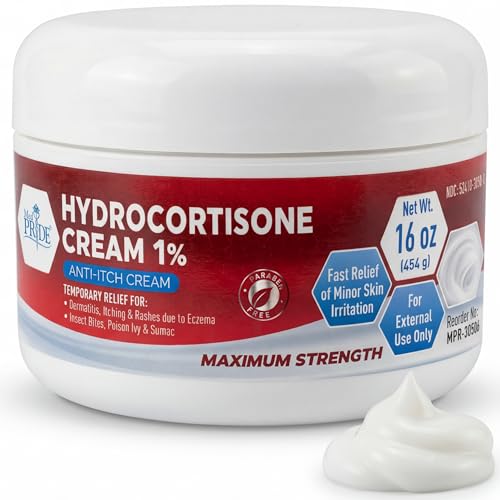
Hydrocortisone Cream
Hydrocortisone cream can quickly calm inflammation around an irritated ingrown hair.
It works by reducing redness, itching, and swelling that often make the bump more noticeable.
A small amount applied once or twice daily can help the skin recover faster.
This treatment is especially helpful if the ingrown hair feels tender or inflamed.
However, it’s best used for short periods to avoid overuse.
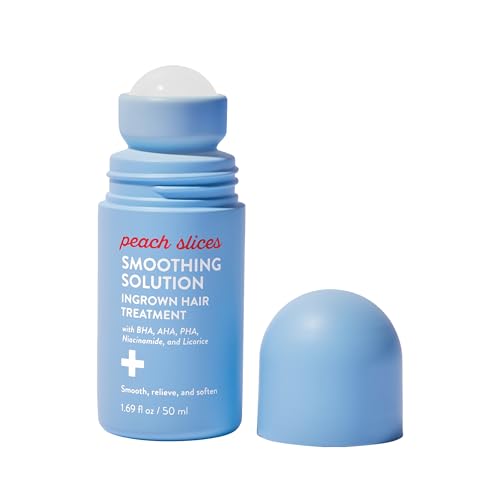
Ingrown Hair Serums
Specialized treatments like an ingrown hair serum are designed to target multiple causes of ingrown hairs at once.
These products usually contain ingredients like salicylic acid, lactic acid, and soothing botanicals that gently exfoliate and calm the skin.
Using a serum regularly can help prevent new ingrown hairs from forming after shaving or waxing.
They’re also convenient because they combine exfoliation and soothing ingredients in one step.
Many people add them to their routine for long-term prevention.
Warm Showers Before Hair Removal
Preparing the skin before hair removal can make a big difference in preventing ingrown hairs.
A warm shower softens both the hair and skin, making hair easier to remove without irritation.
When hair removal is smoother, there’s less chance that the hair will curl back into the skin afterward.
This is especially helpful if you frequently experience an ingrown hair from waxing or shaving.
Taking a few extra minutes before hair removal can save a lot of frustration later.
Switch to a Sharp Razor
Using a dull razor often pulls hair instead of cutting it cleanly, which increases the chance of ingrown hairs.
A sharp blade glides smoothly across the skin and reduces irritation.
Replacing your razor regularly is one of the easiest ways to improve your shaving routine.
It also lowers the risk of bumps forming afterward.
Clean, sharp tools make a huge difference in preventing ingrown hairs.
Shave in the Direction of Hair Growth
Shaving against the grain may feel smoother at first, but it often leads to ingrown hairs later.
Cutting the hair too short allows it to curl back into the skin as it regrows.
Shaving in the direction of hair growth reduces irritation and helps hair grow out naturally.
This technique is especially helpful for preventing ingrown underarm hair, which can be common due to friction and sweat.
It may take a little adjustment, but the results are worth it.

Moisturize the Area Daily
Dry skin can trap hair under a layer of dead skin cells, making ingrown hairs more likely.
Keeping the skin hydrated helps maintain a softer surface that allows hair to grow outward easily.
A lightweight, fragrance-free moisturizer works best for sensitive areas.
Consistent hydration also helps skin heal faster after hair removal.
This step is simple but incredibly important for preventing recurring bumps.
Use a Chemical Exfoliating Body Lotion
Chemical exfoliating lotions contain ingredients like lactic acid or urea that gently dissolve dead skin buildup.
Using one regularly can prevent pores from becoming blocked and trapping hair underneath the skin.
These lotions are particularly helpful for larger areas like legs or thighs.
Many people notice fewer bumps when adding chemical exfoliation to their body care routine.
It’s a low-effort way to improve skin texture over time.

Avoid Tight Clothing
Tight clothing can cause friction that irritates hair follicles and pushes hair back into the skin.
This is especially common around the thighs, waistline, and underarms.
Wearing breathable fabrics gives hair room to grow naturally without being forced inward.
Looser clothing can also reduce irritation after shaving or waxing.
Small adjustments like this can make a noticeable difference.
Consider Laser Hair Removal
Laser hair removal reduces hair growth by targeting the hair follicle directly.
Over time, this leads to finer and fewer hairs, which lowers the risk of ingrown hairs.
Many dermatologists recommend it for people who struggle with chronic ingrown hairs.
It can also help individuals dealing with ingrown facial hair that women sometimes experience on the chin or jawline.
While it requires multiple sessions, it can be a long-term solution.

Ingrown hairs can be annoying, but they’re usually manageable with the right skincare habits and gentle treatments.
Simple steps like exfoliating regularly, moisturizing, and using targeted products can help calm existing bumps and prevent new ones from forming.
Whether you’re dealing with leg bumps, ingrown underarm hair, or irritation after waxing, consistency is the key to smoother skin.
Once you build a routine that works for your skin type, those stubborn ingrown hairs become much easier to control.
Frequently Asked Questions
What causes ingrown hairs?
Ingrown hairs happen when a hair curls back into the skin instead of growing outward. This can occur due to shaving too closely, waxing, friction from clothing, or a buildup of dead skin cells blocking the follicle.
Is it safe to remove an ingrown hair?
It’s only safe if the hair tip is visible above the skin. Carefully lifting the hair is fine, but aggressively pulling out ingrown hair can lead to infection or scarring.
Why do ingrown hairs happen after waxing?
Hair regrowth after waxing can sometimes curl sideways instead of upward. This is why proper exfoliation before and after ingrown hair waxing treatments is important.
How long do ingrown hairs last?
Most ingrown hairs improve within a few days to a week with proper skincare. Gentle exfoliation and soothing treatments can help them heal faster.
This post was all about Ingrown Hairs.
If you love this post, you may also love: