15+ Helpful Tips And Routine To Improve Your Gut Health
This site contains affiliate links. I may earn a small commission, at no extra cost to you.
This post is all about Gut Health.
Gut health is one of those wellness topics that sounds complicated—but honestly, it doesn’t have to be.
If bloating, low energy, or inconsistent digestion feel like they’re disrupting your routine, small daily habits can make a big difference.
You don’t need extreme diets or trendy cleanses to feel better.
With simple, realistic changes, digestive wellness can become something you support naturally every day.
For more tips and tricks, follow us on Instagram: @fromlemonstoluxury
Why Gut Health Matters More Than You Think
Your gut does way more than just digest food—it plays a role in immunity, mood, energy levels, and overall wellness.
When your gut microbiome is balanced, your body is better at absorbing nutrients and keeping inflammation in check.
On the flip side, poor gut habits can show up as bloating, irregular digestion, skin issues, and even brain fog.
That’s why building simple, sustainable routines is one of the smartest wellness upgrades you can make.
- Supports overall digestive health and nutrient absorption
- Influences energy levels, mood, and focus
- Helps regulate inflammation and immune response
- Affects bloating, regularity, and food tolerance
- Relies on a balanced gut microbiome diet to function optimally
When your gut is supported consistently, your body tends to feel more balanced from the inside out.
Start Your Day With a Gut-Friendly Breakfast
A solid gut health breakfast sets the tone for your digestion all day.
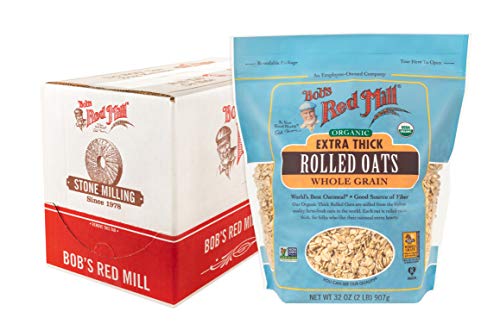
Aim for a mix of fiber, protein, and healthy fats—think oatmeal with chia seeds, Greek yogurt with berries, or eggs with sautéed veggies.
These foods help feed good bacteria while keeping blood sugar stable.
Skipping breakfast or grabbing something overly processed can slow digestion before your day even begins.
Eat More Fiber (But Add It Slowly)
Fiber is essential for digestive health because it feeds beneficial gut bacteria and supports regular digestion.
Whole grains, vegetables, fruits, beans, and seeds are all great options.
If your diet is currently low in fiber, increase it gradually to avoid bloating.
Consistency matters more than hitting a perfect number overnight.
Include Fermented Foods Weekly
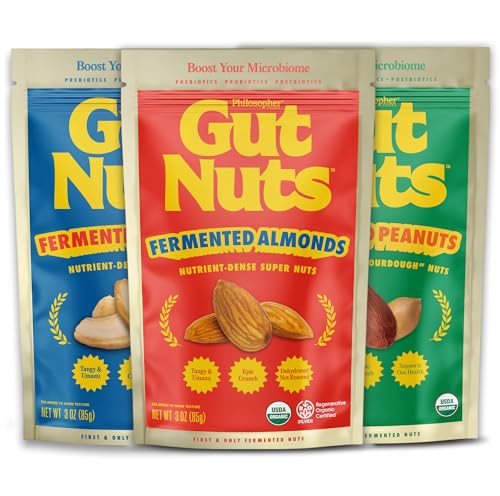
Fermented foods like yogurt, kefir, kimchi, sauerkraut, and miso naturally support a healthy gut microbiome diet.
They introduce beneficial bacteria that help balance digestion.
You don’t need them daily—just a few servings a week can make a noticeable difference.
Start small if you’re new to fermented foods.
Stay Hydrated (Seriously, It Matters)
Water helps move food through your digestive tract and prevents constipation.
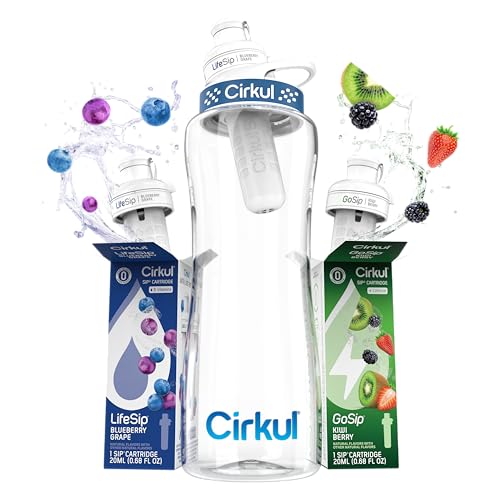
If plain water feels boring, rotate in gut health drinks like herbal teas, lemon water, or diluted apple cider vinegar.
Hydration supports digestion quietly but powerfully.
A reusable water bottle can make this habit effortless.
Don’t Rush Your Meals
Eating too quickly can lead to bloating and poor digestion.
Slowing down gives your body time to properly break down food and absorb nutrients.
Even a few mindful breaths before eating can help.
This small shift often leads to better digestion without changing what you eat.
Manage Stress Daily
Chronic stress directly affects your gut, often causing discomfort or irregular digestion.
Simple practices like journaling, walking, or deep breathing can help regulate your nervous system.
Yoga for gut health is especially effective because it combines movement with relaxation.
Your gut notices when your mind slows down.

Move Your Body Every Day
Movement supports digestion by encouraging intestinal movement and reducing bloating.
You don’t need intense workouts—walking, stretching, or light yoga works just fine.
Even 10–15 minutes after meals can help digestion.
Consistency is key here.
Prioritize Sleep Like It’s Non-Negotiable
Poor sleep can disrupt your gut microbiome and increase inflammation.
Aim for 7–9 hours of quality sleep each night.
A regular bedtime routine helps your body reset and digest properly.
Your gut does a lot of repair work while you rest.

Eat a More Diverse Diet
A diverse gut microbiome thrives on variety.
Rotate different fruits, vegetables, grains, and proteins throughout the week.
This exposes your gut bacteria to different nutrients, helping them stay balanced.
Think color and variety over restriction.
Limit Ultra-Processed Foods
Highly processed foods can negatively affect digestive health and gut bacteria balance.
You don’t have to eliminate them—just be mindful of how often they show up.
Replacing even one processed snack a day with a whole-food option can help over time.
Small swaps add up.

Pay Attention to Food Sensitivities
Certain foods may trigger bloating or discomfort for you personally.
Keeping a simple food journal can help you spot patterns without obsessing.
This isn’t about restriction—it’s about awareness.
Listening to your body is one of the most underrated gut health tips.
Add Healthy Fats to Support Digestion
Healthy fats like olive oil, avocado, nuts, and seeds help reduce inflammation and support nutrient absorption.
They also make meals more satisfying, which can prevent overeating.
Balance is key—fat works best alongside fiber and protein.
Your gut needs all three.
Try Gentle Morning Routines
A calm morning routine supports digestion before the day gets busy.
Light stretching, warm drinks, or a short walk can stimulate your digestive system naturally.
Many people notice less bloating when they ease into their day.
It’s a simple but effective habit.
Be Consistent, Not Perfect
Gut health isn’t about doing everything “right” every day.
It’s about repeating supportive habits most of the time.
Missing a workout or having a less-balanced meal won’t undo your progress.
Consistency always beats intensity.

Give It Time
Gut improvements don’t happen overnight, but many people notice changes within a few weeks.
Stick with your routine and adjust as needed.
Progress often shows up subtly—less bloating, more energy, better regularity.
Those small wins matter.
Improving your gut health doesn’t require drastic changes—just consistent, supportive habits that fit your lifestyle.
By focusing on simple routines, mindful eating, movement, and stress management, digestive wellness becomes sustainable and realistic.
Over time, these small shifts can lead to better energy, less bloating, and a healthier relationship with food.
Your gut thrives when you support it daily, not perfectly.
FAQ: Gut Health Basics
How long does it take to improve gut health?
Most people notice improvements in digestion and bloating within 2–4 weeks of consistent habits, though deeper gut microbiome changes can take longer.
Do I need supplements for better digestive health?
Not necessarily. Many gut health tips focus on food, hydration, movement, and sleep, which often provide strong results on their own.
What are the best gut health drinks?
Water, herbal teas, kefir, and lightly fermented drinks are great options. Avoid sugary drinks that can disrupt digestion.
Is yoga for gut health actually effective?
Yes, gentle yoga can reduce stress and stimulate digestion, making it a helpful addition to your routine.
Can improving gut health help with bloating?
Absolutely. Balanced meals, fiber, hydration, and stress management are some of the most effective ways to reduce bloating naturally.
This post was all about Gut Health.

If you love this post, you may also love: